 Meadow & Feather
Birds › Sea cliffs › Arctic Tern
Arctic Tern
Sterna paradisaea
Makes the longest migration of any animal, from the Arctic to the Antarctic and back, so it sees two summers each year.
Where to see it for real: Nests in colonies on northern coasts; it dives at anyone who comes too close.
Lives in the Sea cliffs habitat (North Atlantic coast, in summer).
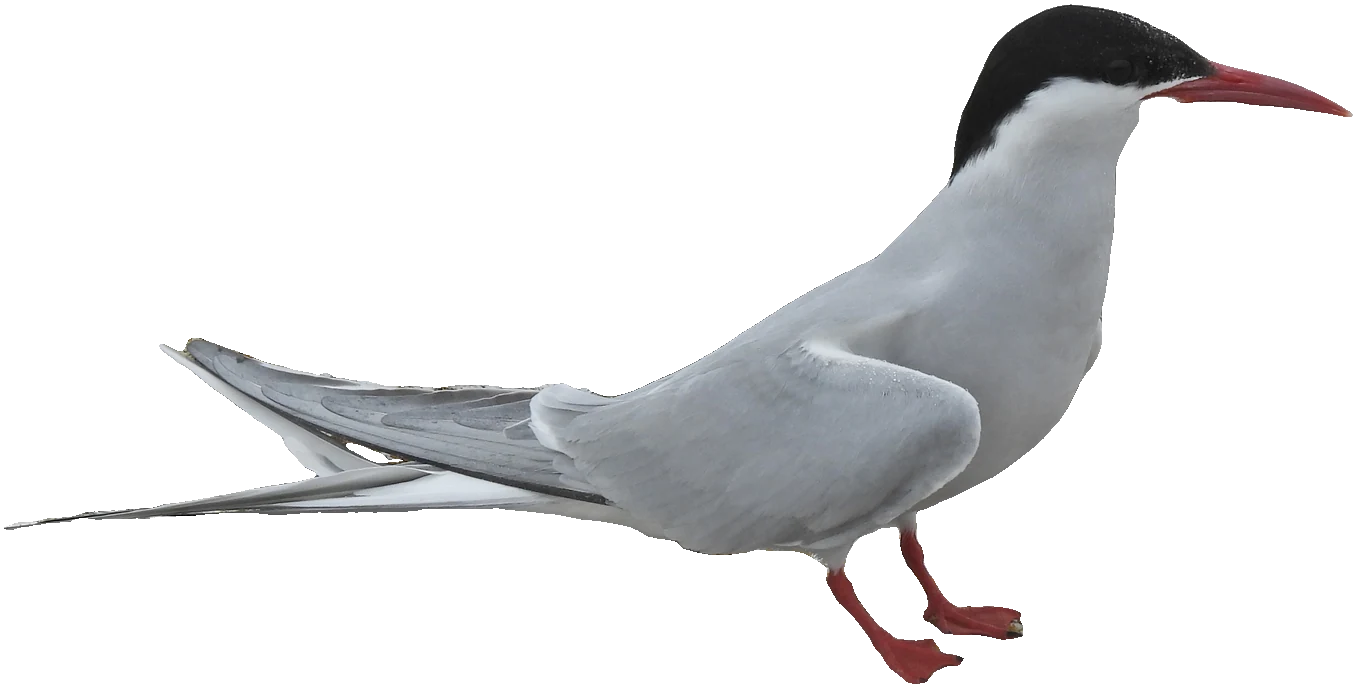
Arctic Tern facts
- Family
- Gulls and terns
- Length
- 14 in (35 cm)
- Wingspan
- 31 in (78 cm)
- Weight
- 3.9 oz (110 g)
- Diet
- Small fish and krill, caught by hovering and diving.
- Range
- Breeds around the Arctic and the North Atlantic; spends the northern winter in Antarctic waters.
- Nest
- A scrape on bare ground, gravel or moss.
- Song
- Harsh "kee-arr" calls; it dive-bombs intruders.
- Active
- by day
- Status
- Least Concern on the IUCN Red List: widespread and not at risk.
What the Arctic Tern sounds like
More: bird songs and calls.
More birds of the sea cliffs
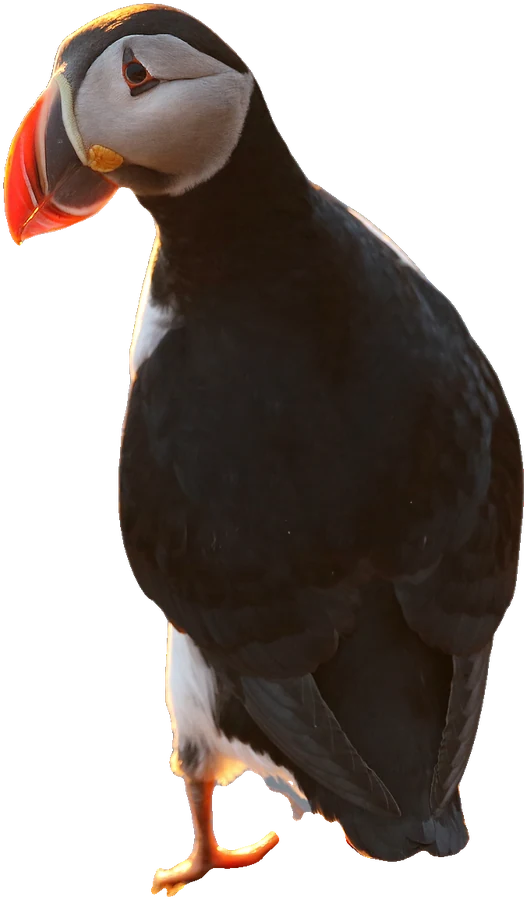 Atlantic PuffinSea cliffs
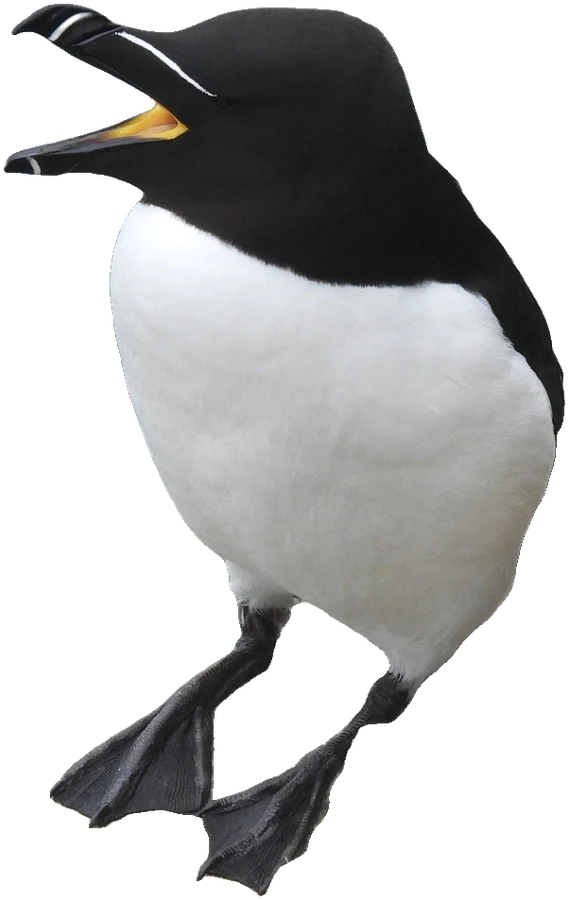 RazorbillSea cliffs
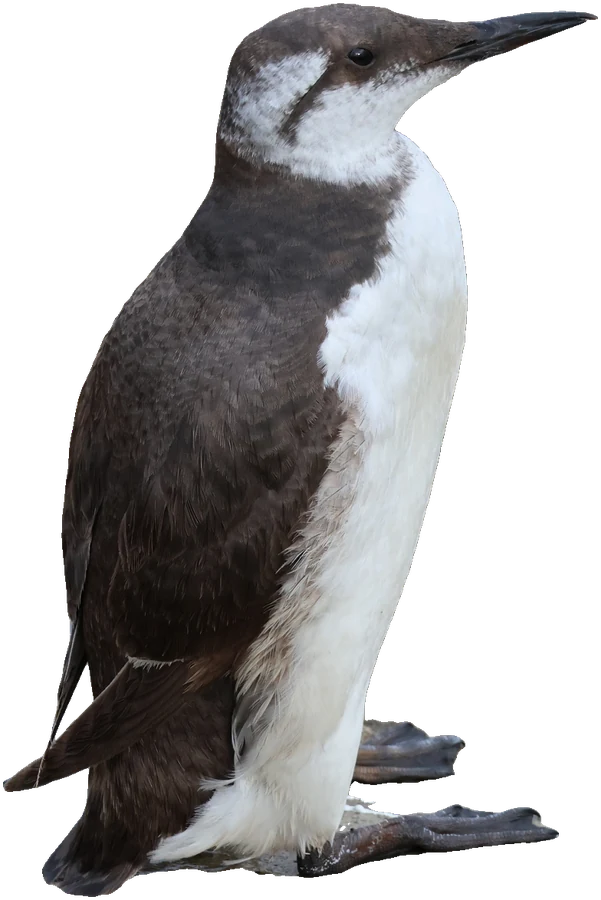 Common MurreSea cliffs
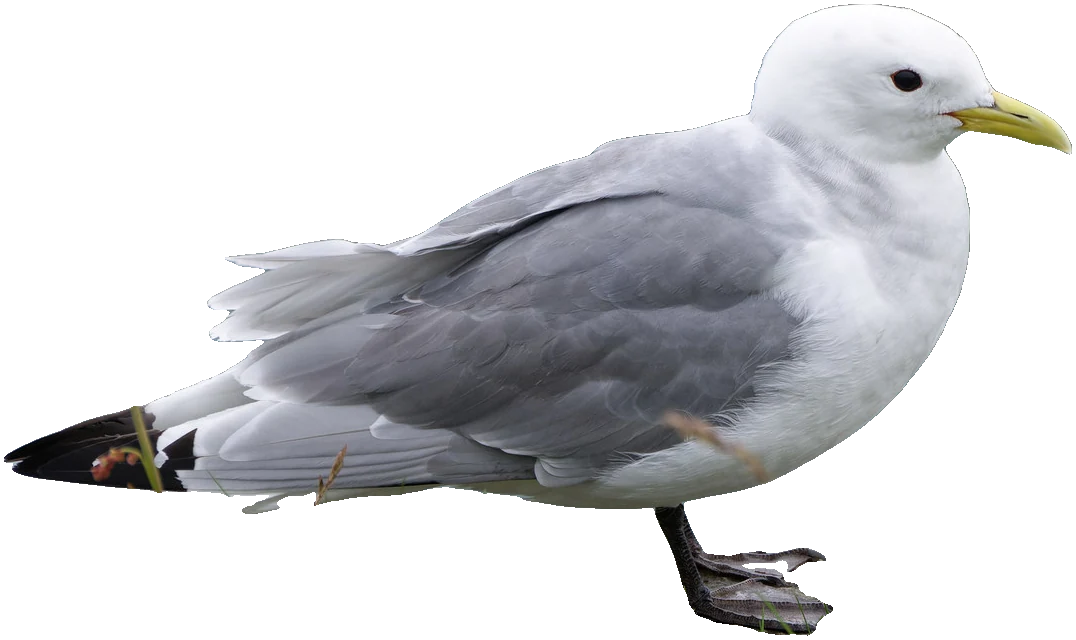 Black-legged KittiwakeSea cliffs
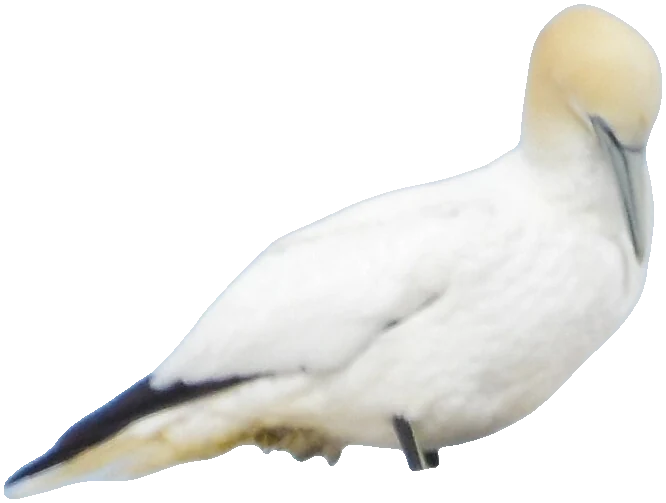 Northern GannetSea cliffs
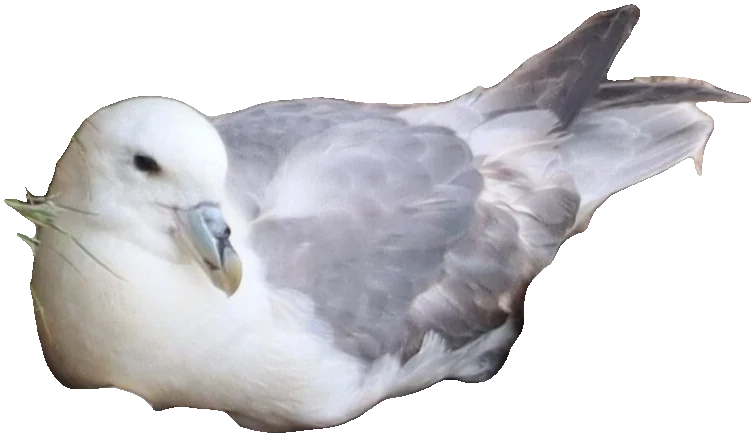 Northern FulmarSea cliffs
Spot the Arctic Tern yourself
Free in your browser. Put out the right food in the sea cliffs and wait.