 Meadow & Feather
Birds › City park › European Robin
European Robin
Erithacus rubecula
Follows gardeners to snap up worms they dig up. Both males and females sing to hold a winter territory.
Where to see it for real: Mealworms and suet, and an open-fronted nest box hidden in ivy.
Lives in the City park habitat (Europe, in a London park).
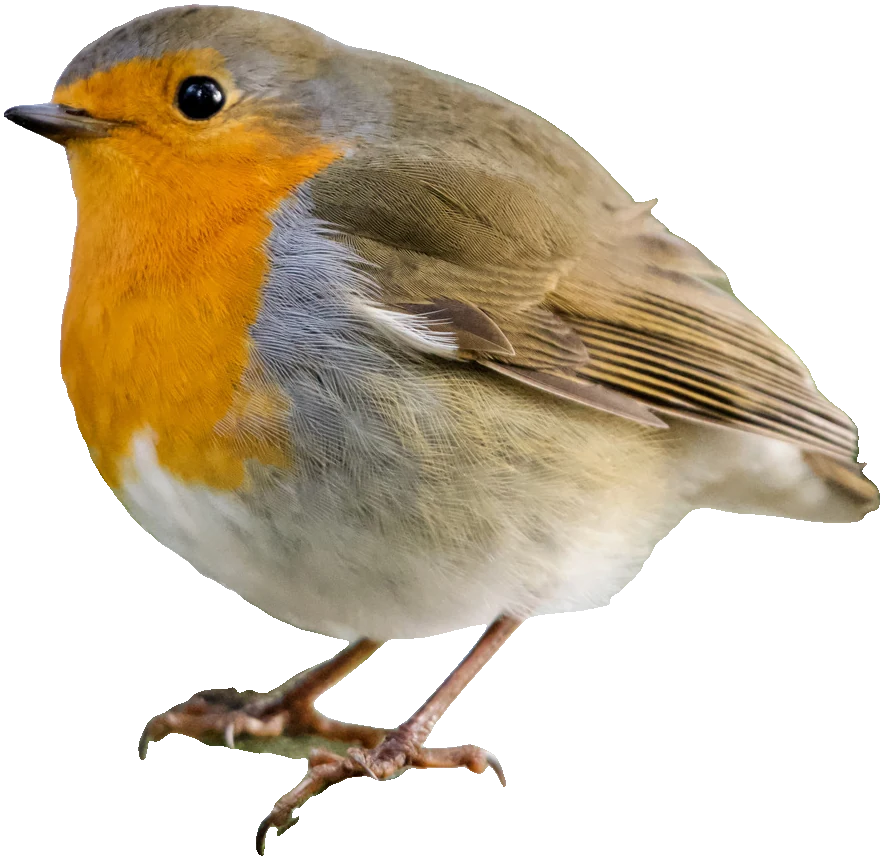
European Robin facts
- Family
- Old World flycatchers
- Length
- 5.5 in (14 cm)
- Wingspan
- 8.3 in (21 cm)
- Weight
- 0.6 oz (18 g)
- Diet
- Worms, insects and spiders, plus berries and seeds in winter.
- Range
- Europe, North Africa and western Asia.
- Nest
- A cup of moss and leaves in a hollow, a bank or an old shed.
- Song
- A sweet, wistful warble sung all year, sometimes at night under streetlights.
- Active
- at dawn, by day, at dusk and at night
- Status
- Least Concern on the IUCN Red List: widespread and not at risk.
What the European Robin sounds like
How to attract the European Robin
Feeder foods, favorite first: mealworms, suet, sunflower seed. Feeders that hold them: platform feeder, suet cage and tube feeder. Keep a bird bath full, too.
In the game: fill a feeder with mealworms, suet and sunflower seed and keep the bird bath full. It is a common visitor.
More: bird songs and calls, birds at night, what to feed birds.
More birds of the city park
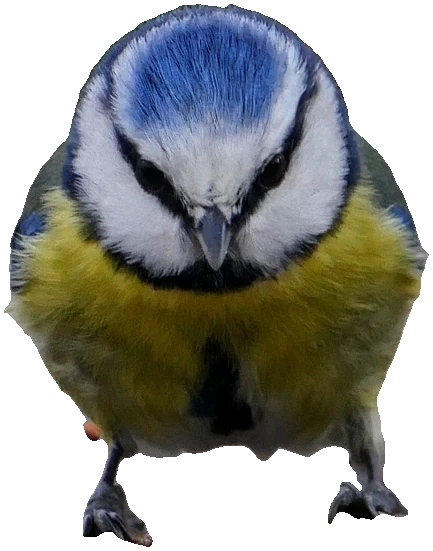 Eurasian Blue TitCity park
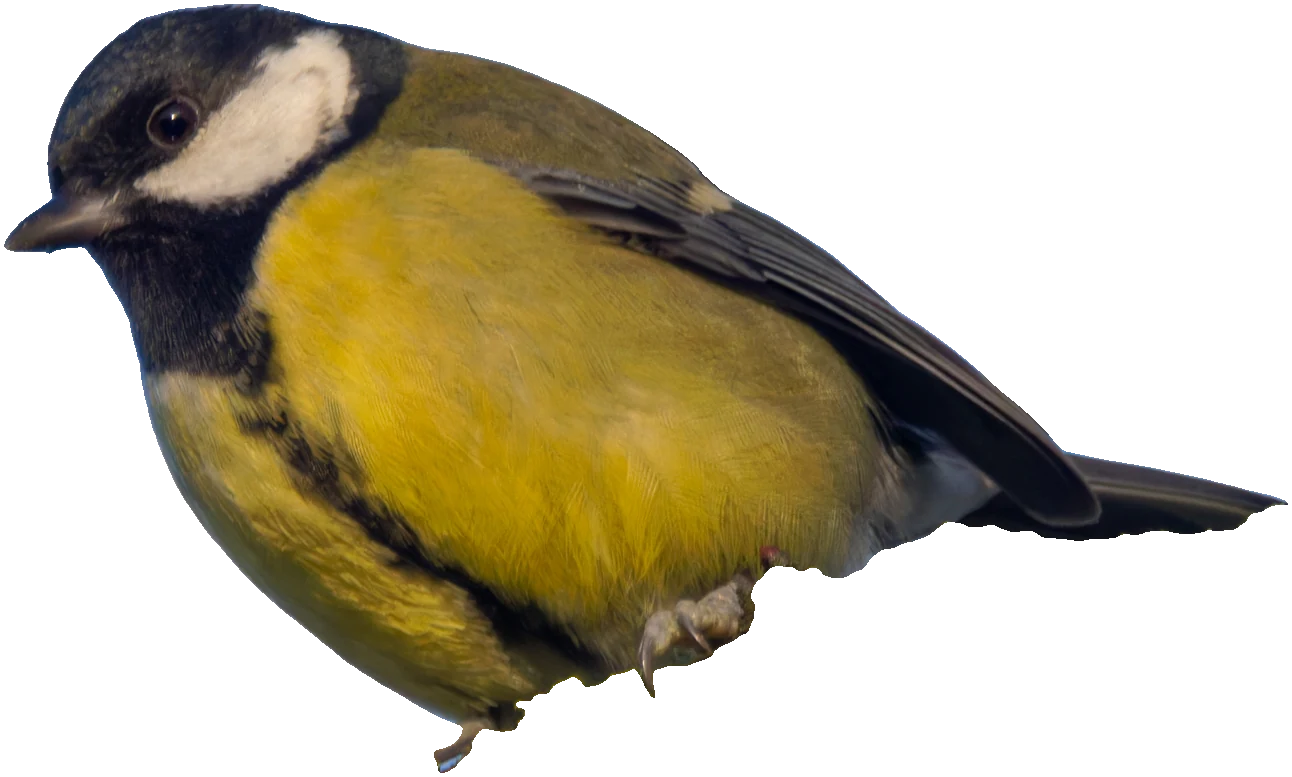 Great TitCity park
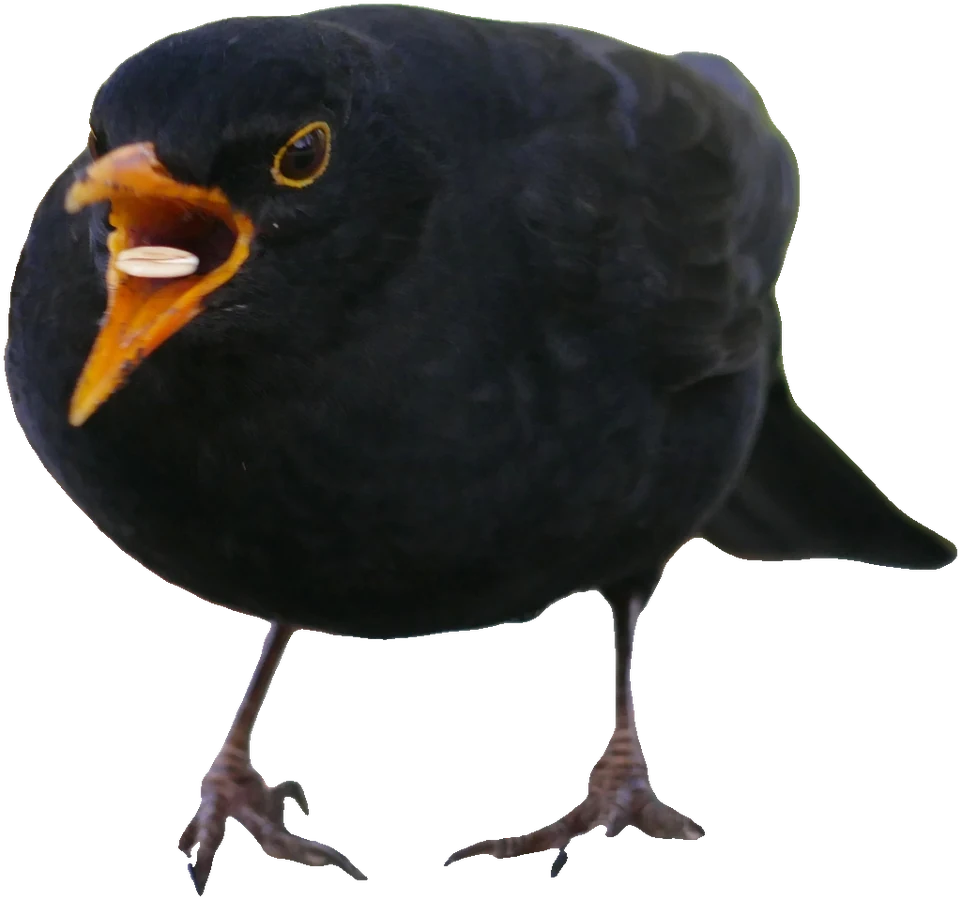 Eurasian BlackbirdCity park
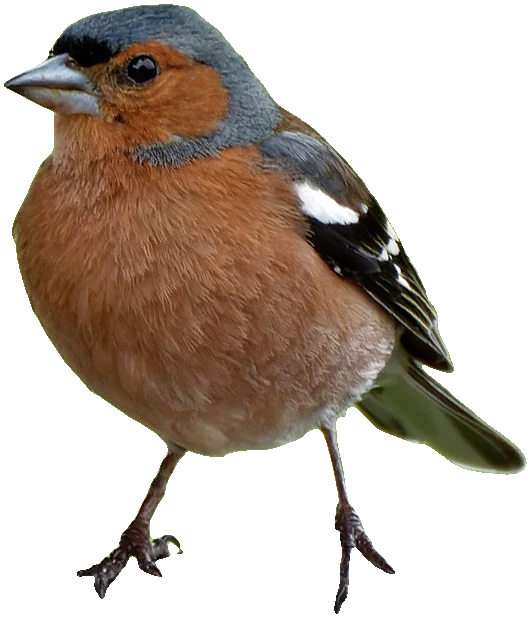 Common ChaffinchCity park
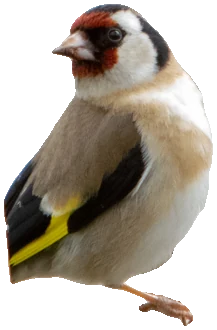 European GoldfinchCity park
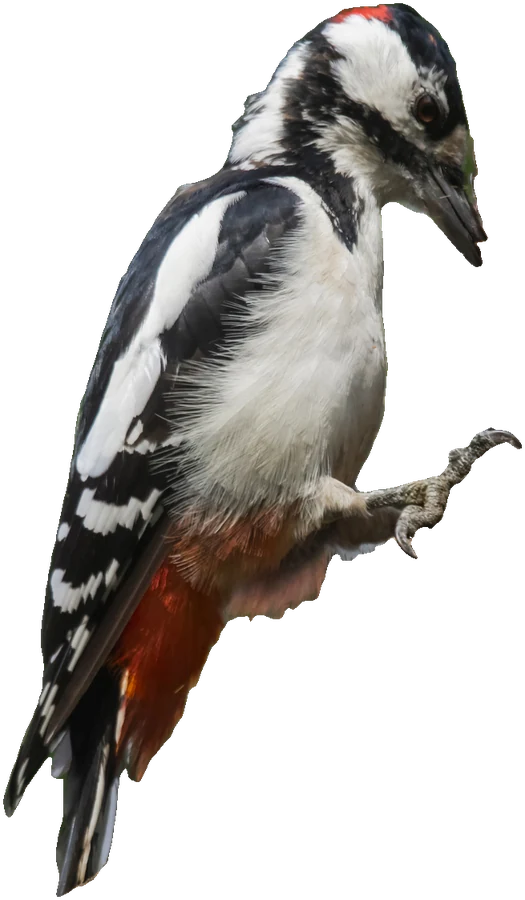 Great Spotted WoodpeckerCity park
Spot the European Robin yourself
Free in your browser. Put out the right food in the city park and wait.