 Meadow & Feather
Birds › Australian bush › Rainbow Lorikeet
Rainbow Lorikeet
Trichoglossus moluccanus
Its tongue ends in a brush of tiny bristles for mopping up nectar and pollen. Thousands may gather to sleep in the same trees each night.
Where to see it for real: Plant flowering grevilleas, bottlebrushes and eucalypts. Bread and honey water make lorikeets sick.
Lives in the Australian bush habitat (Eastern Australia, among gum trees).
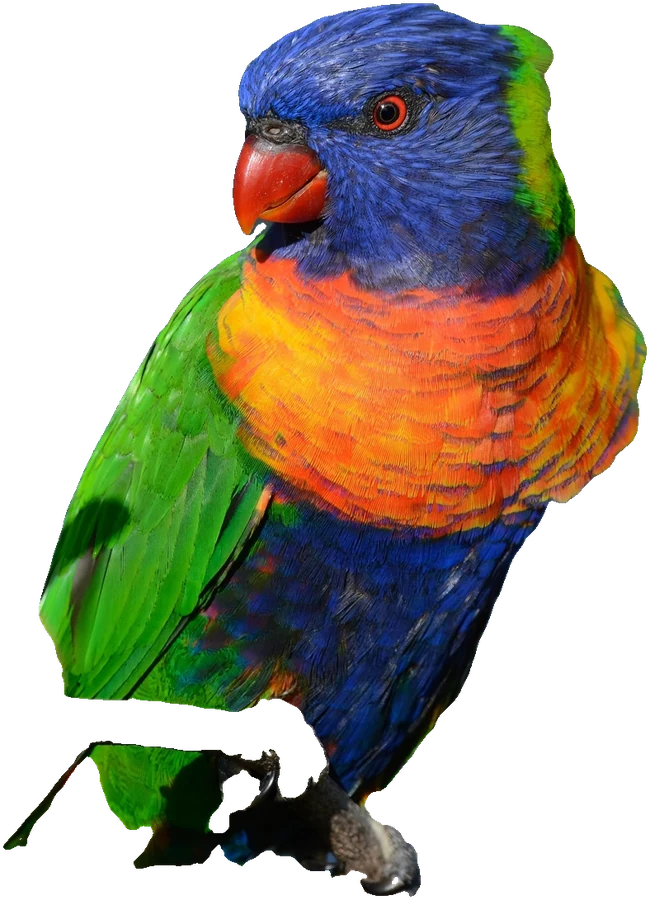
Rainbow Lorikeet facts
- Family
- Parrots
- Length
- 11 in (28 cm)
- Weight
- 4.4 oz (125 g)
- Diet
- Nectar and pollen, plus fruit and seeds.
- Range
- Eastern and northern coastal Australia; introduced around Perth and in New Zealand.
- Nest
- A hollow high in a eucalypt, with the eggs on chewed rotten wood.
- Song
- Shrill screeches in flight and nonstop chattering while it feeds.
- Active
- by day
- Status
- Least Concern on the IUCN Red List: widespread and not at risk.
What the Rainbow Lorikeet sounds like
How to attract the Rainbow Lorikeet
Feeder foods, favorite first: nectar, fruit. Feeders that hold them: nectar feeder and platform feeder. Keep a bird bath full, too.
In the game: fill a feeder with nectar and fruit and keep the bird bath full. It is a common visitor.
More: bird songs and calls, what to feed birds.
More birds of the Australian bush
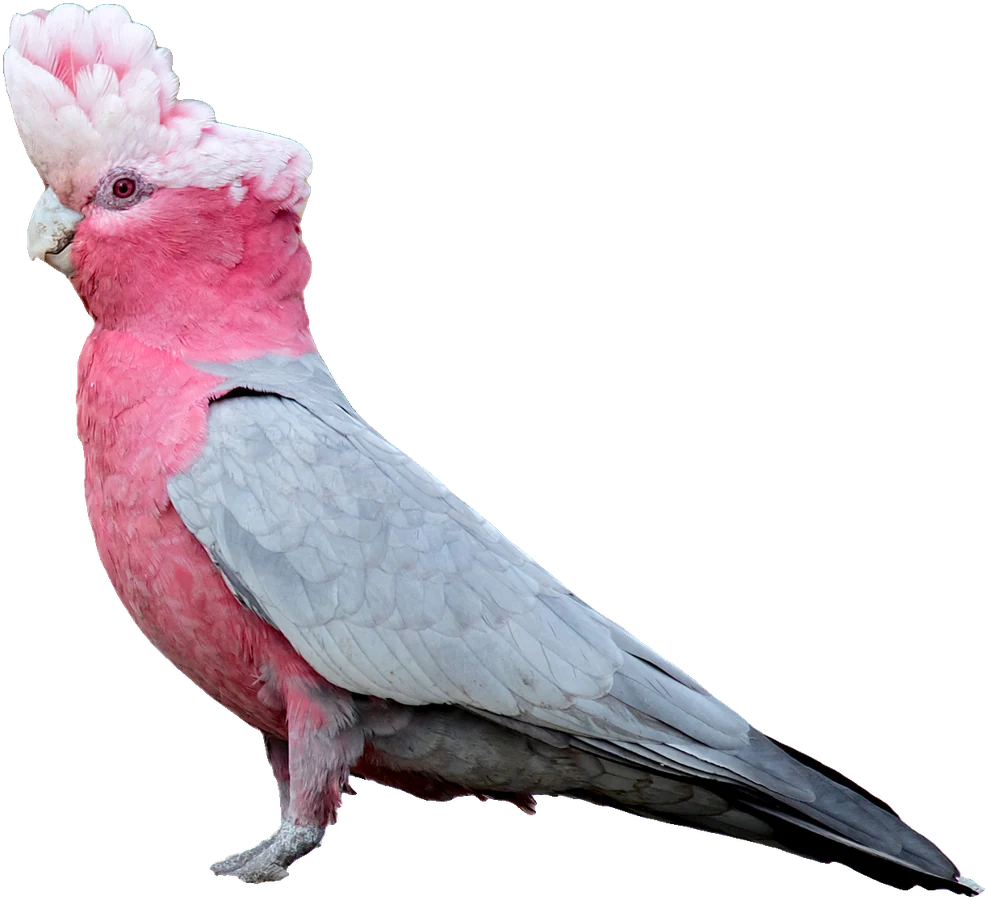 GalahAustralian bush
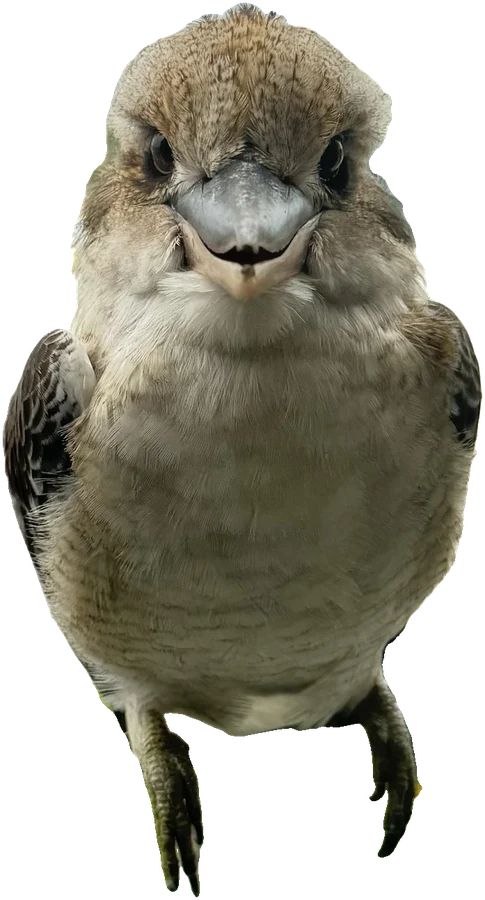 Laughing KookaburraAustralian bush
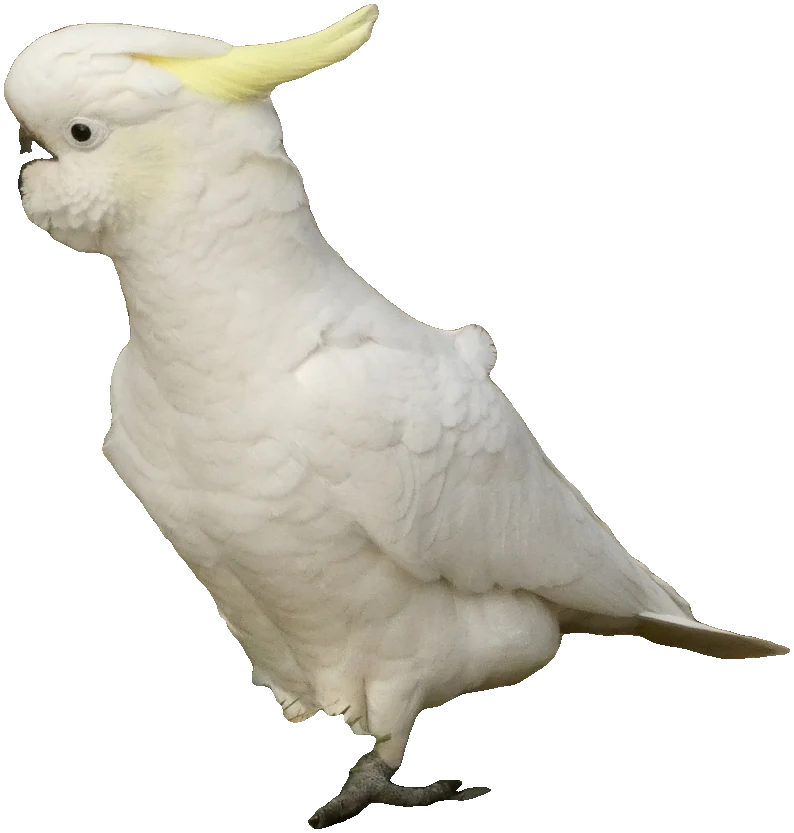 Sulphur-crested CockatooAustralian bush
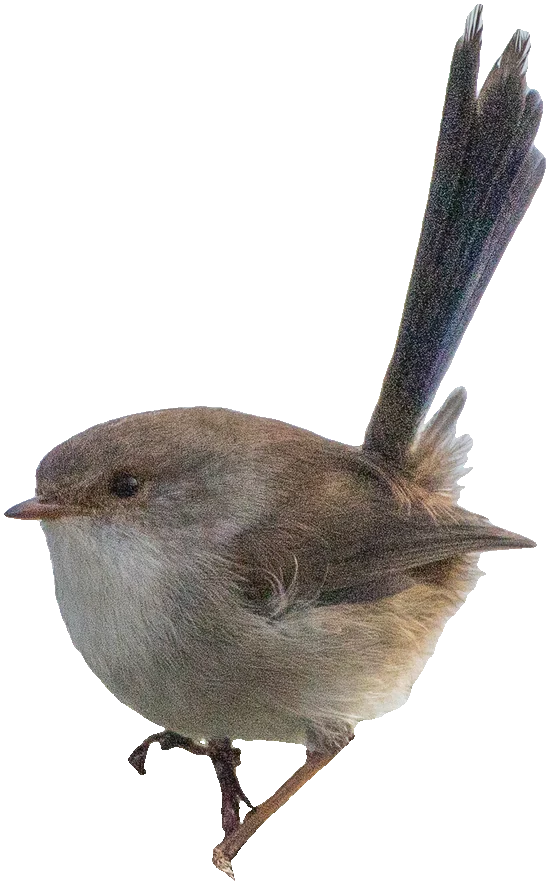 Superb FairywrenAustralian bush
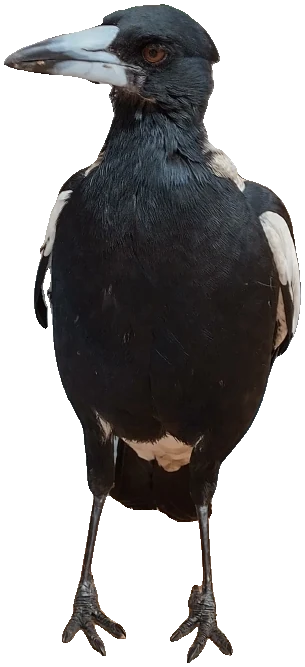 Australian MagpieAustralian bush
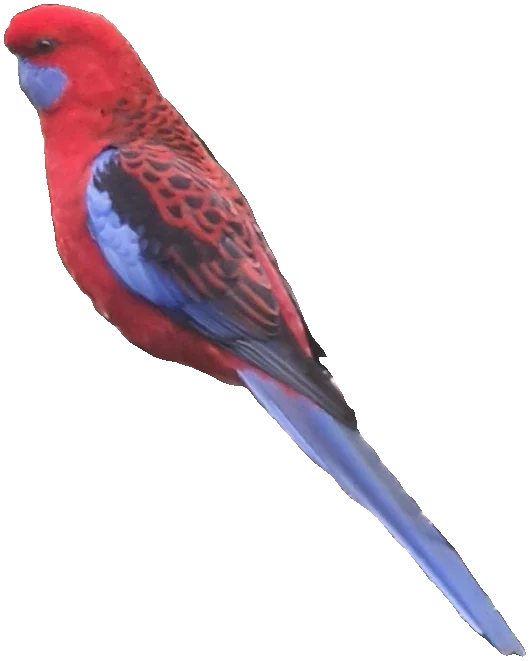 Crimson RosellaAustralian bush
Spot the Rainbow Lorikeet yourself
Free in your browser. Put out the right food in the Australian bush and wait.