 Meadow & Feather
Birds › Backyard › Black-capped Chickadee
Black-capped Chickadee
Poecile atricapillus
Chickadees hide seeds in hundreds of places and remember where they put them.
In your real yard: Sunflower seed, suet, and a nest box with a 1 1/8 inch entrance hole.
Lives in the Backyard habitat (Eastern North America).
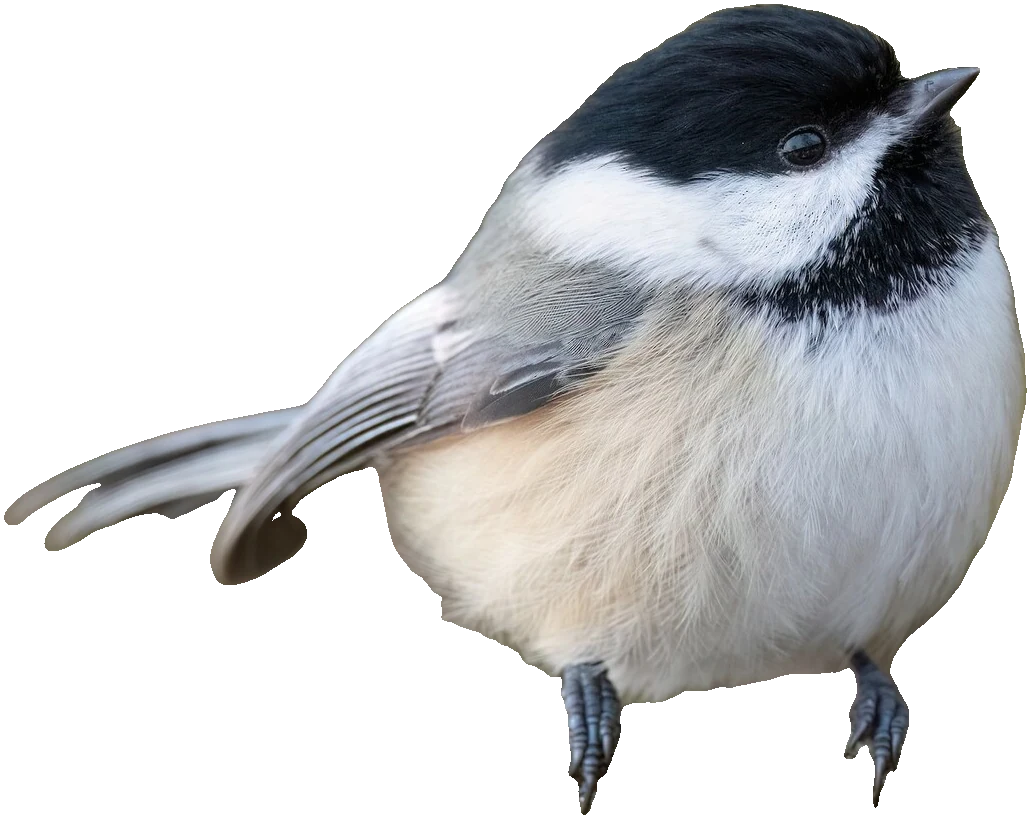
Black-capped Chickadee facts
- Family
- Chickadees and tits
- Length
- 5.1 in (13 cm)
- Wingspan
- 7.1 in (18 cm)
- Weight
- 0.4 oz (11 g)
- Diet
- Insects, spiders, seeds and berries.
- Range
- The northern half of the United States, Canada and Alaska.
- Nest
- A tree hole or nest box filled with moss and lined with soft fur.
- Song
- A whistled "fee-bee" and the famous "chick-a-dee-dee-dee"; more "dee" notes mean a bigger threat.
- Active
- by day
- Status
- Least Concern on the IUCN Red List: widespread and not at risk.
What the Black-capped Chickadee sounds like
How to attract the Black-capped Chickadee
Feeder foods, favorite first: sunflower seed, suet, peanuts. Feeders that hold them: tube feeder, platform feeder and suet cage. Keep a bird bath full, too.
In the game: fill a feeder with sunflower seed, suet and peanuts and keep the bird bath full. It is a common visitor.
More: bird songs and calls, what to feed birds.
More birds of the backyard
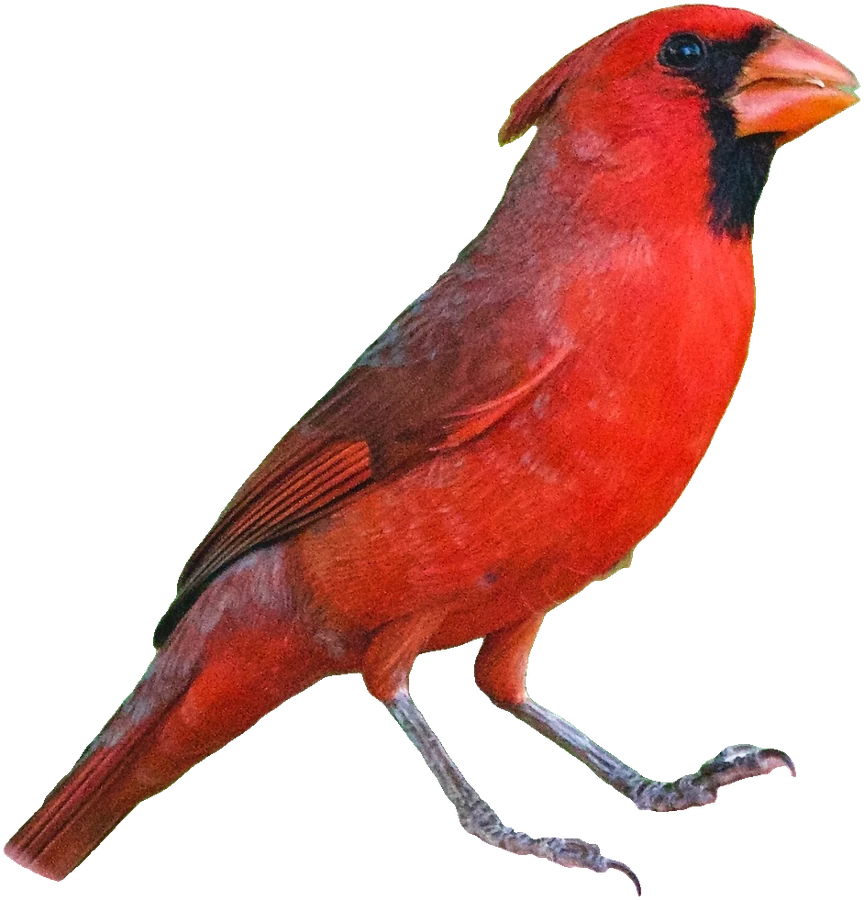 Northern CardinalBackyard
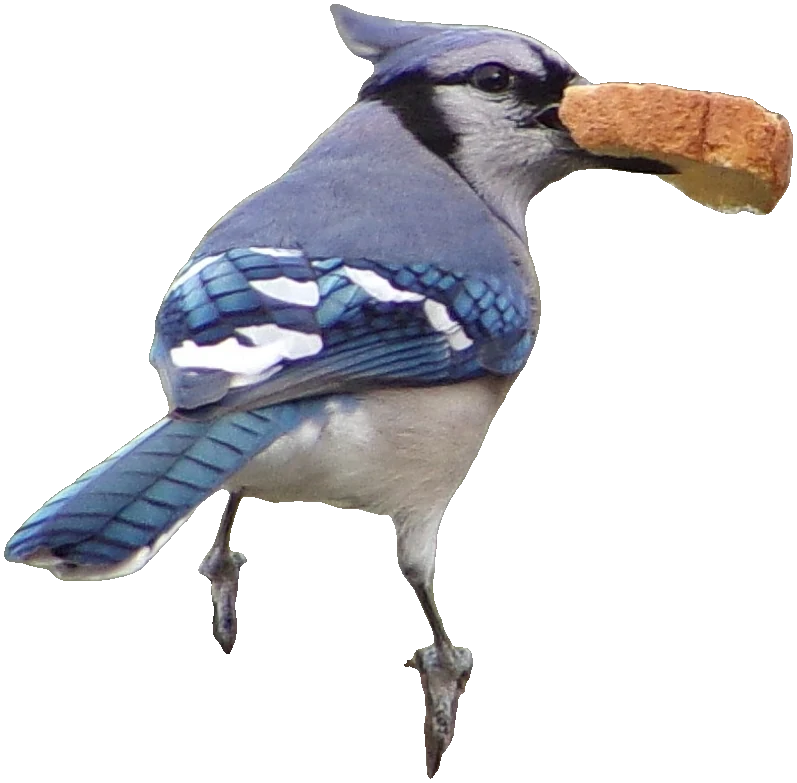 Blue JayBackyard
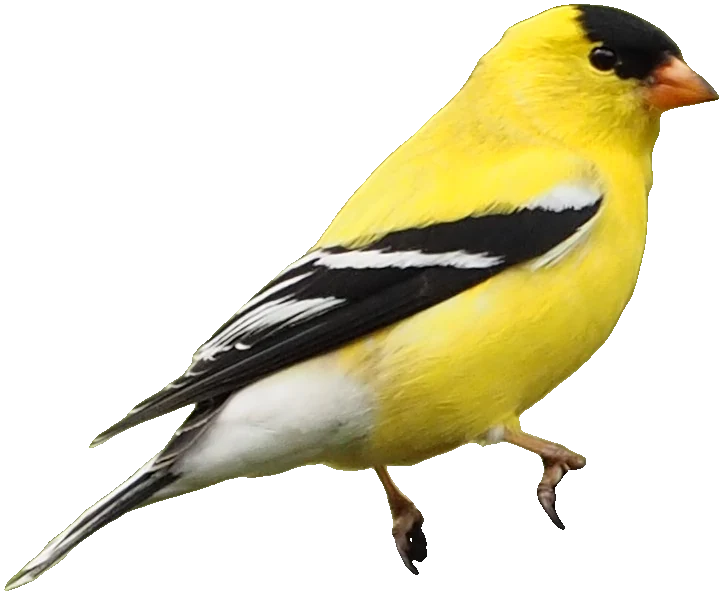 American GoldfinchBackyard
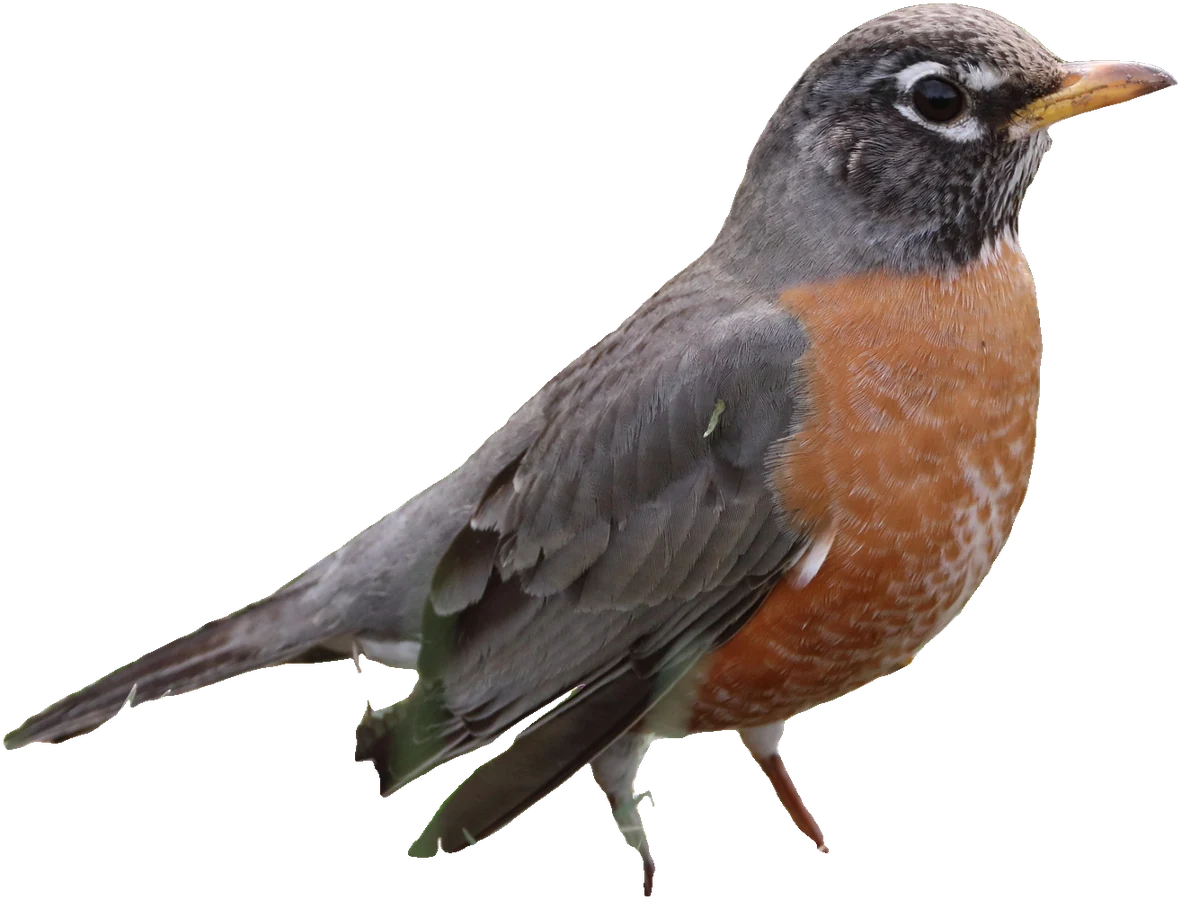 American RobinBackyard
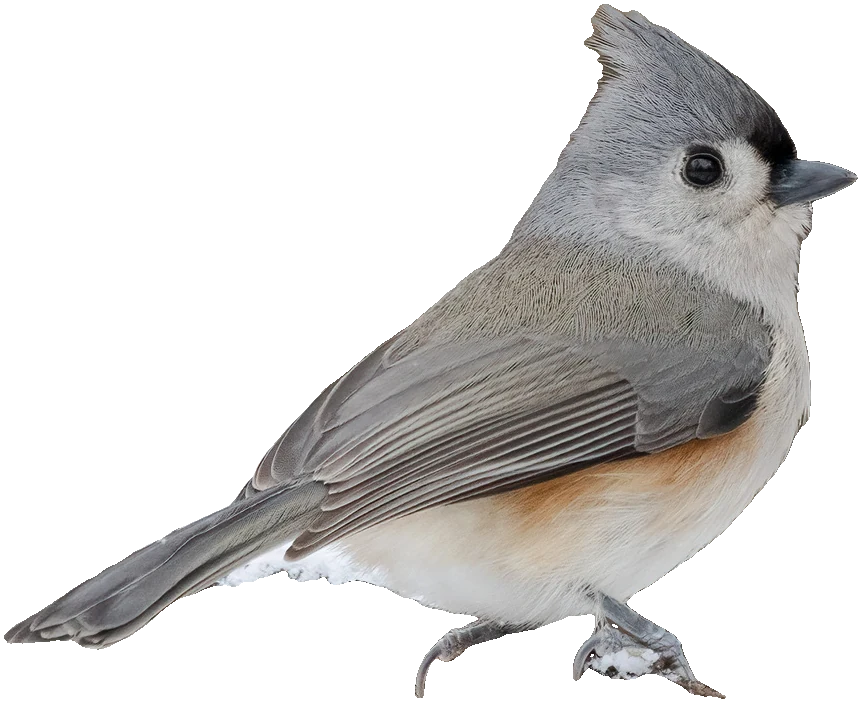 Tufted TitmouseBackyard
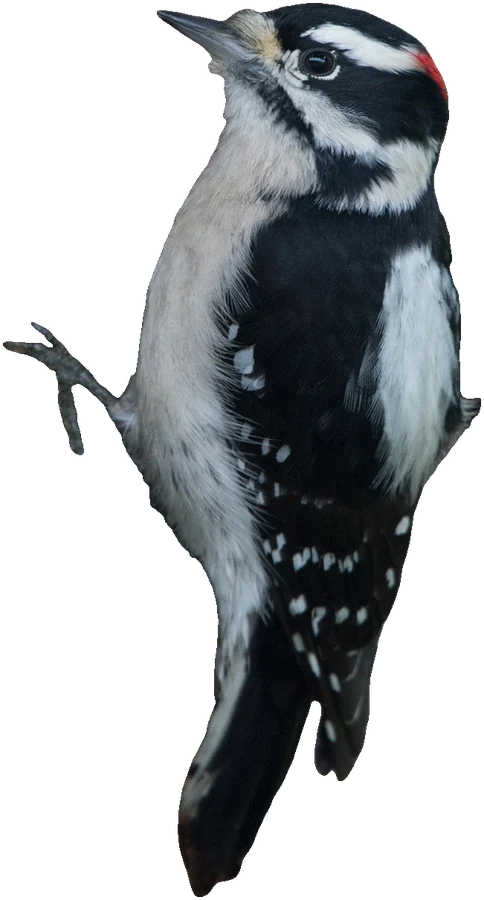 Downy WoodpeckerBackyard
Spot the Black-capped Chickadee yourself
Free in your browser. Put out the right food in the backyard and wait.