 Meadow & Feather
Birds › Lake and wetland › Great Egret
Great Egret
Ardea alba
Hunted almost to extinction in the 1800s for hat plumes. Protecting it helped start the bird conservation movement, and it is the symbol of the National Audubon Society.
Where to see it for real: Seen at wetlands, lakes and coastal marshes across much of the world.
Lives in the Lake and wetland habitat (North American lakes and marshes).
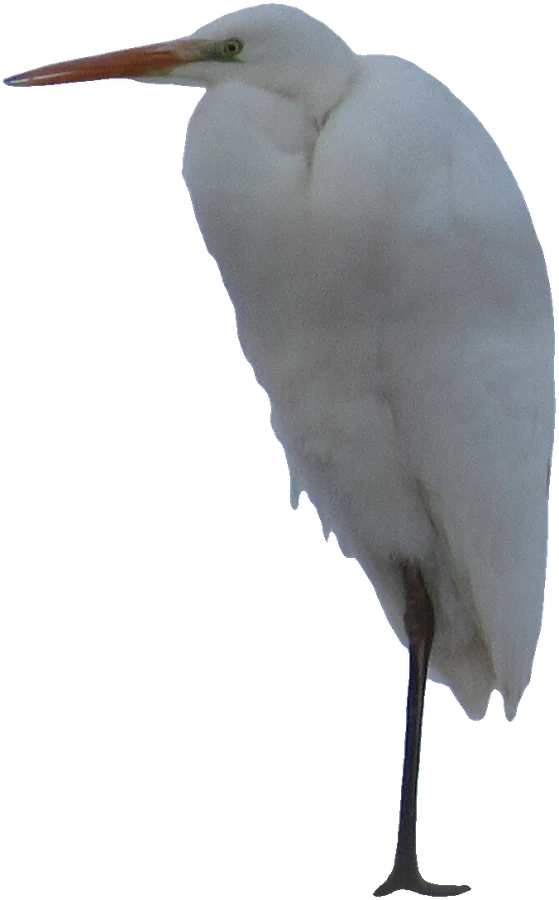
Great Egret facts
- Family
- Herons and egrets
- Length
- 39 in (99 cm)
- Wingspan
- 55 in (140 cm)
- Weight
- 32 oz (900 g)
- Diet
- Fish and frogs, plus snakes, crayfish and insects.
- Range
- Warm wetlands on every continent except Antarctica.
- Nest
- A platform of sticks in a tree over water, in a colony.
- Song
- A low, croaking "cuk-cuk".
- Active
- by day
- Status
- Least Concern on the IUCN Red List: widespread and not at risk.
What the Great Egret sounds like
More: bird songs and calls.
More birds of the lake and wetland
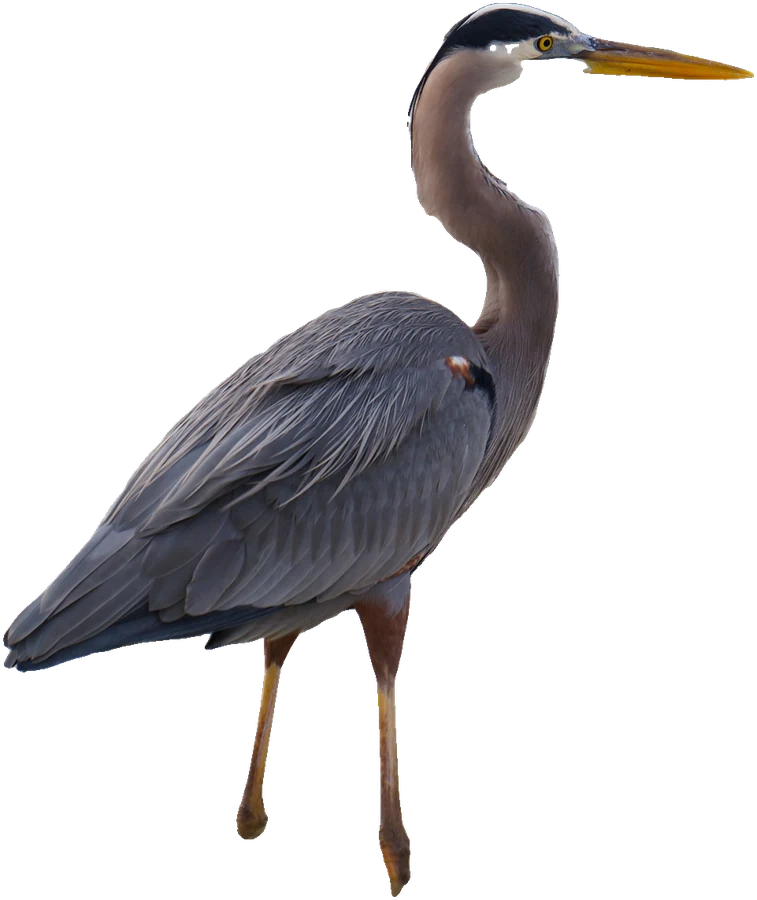 Great Blue HeronLake and wetland
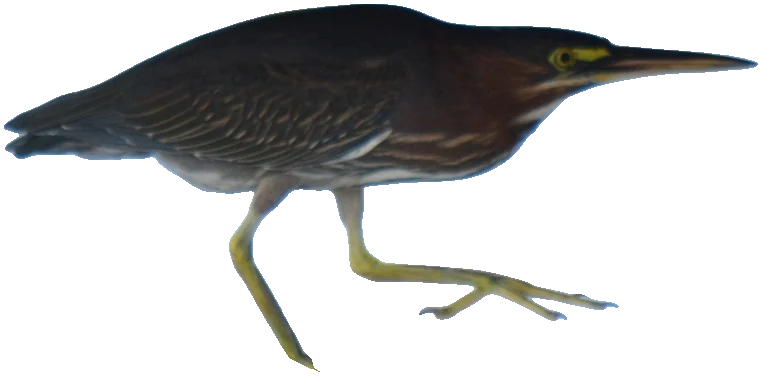 Green HeronLake and wetland
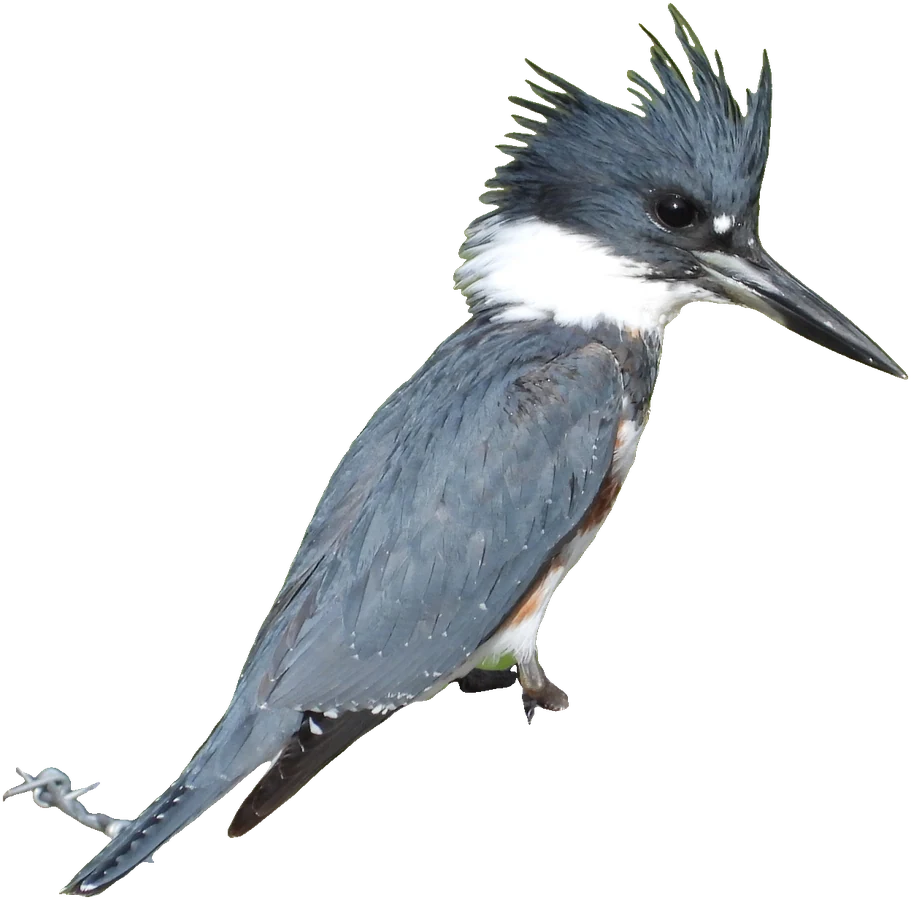 Belted KingfisherLake and wetland
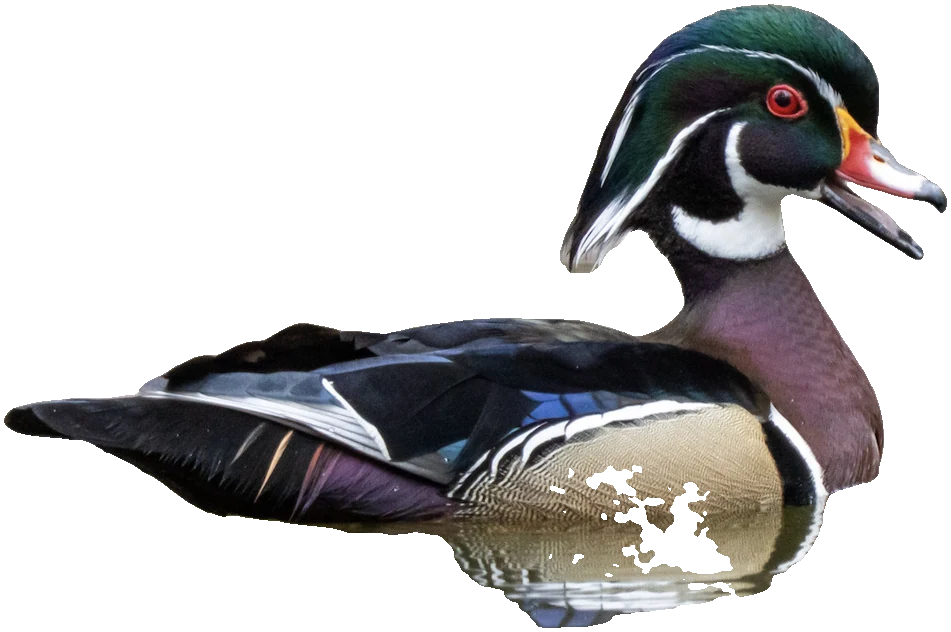 Wood DuckLake and wetland
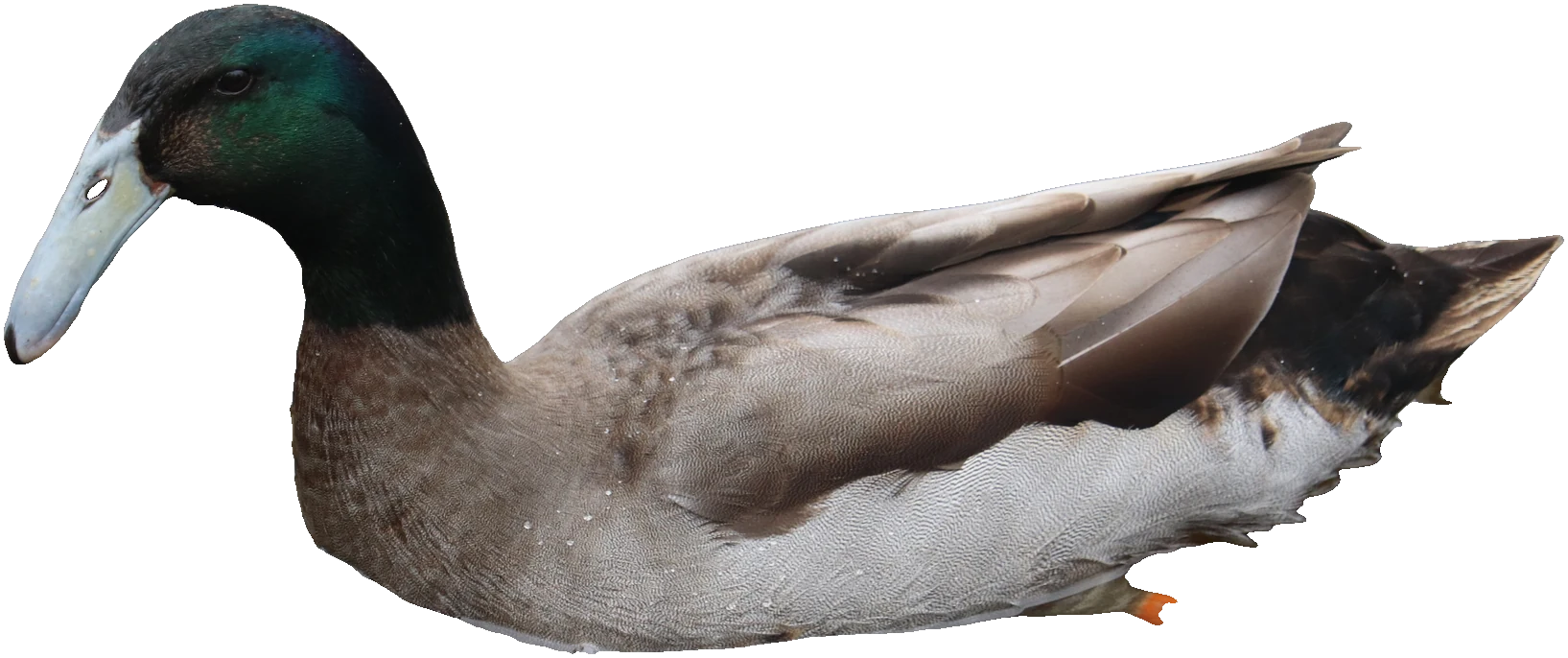 MallardLake and wetland
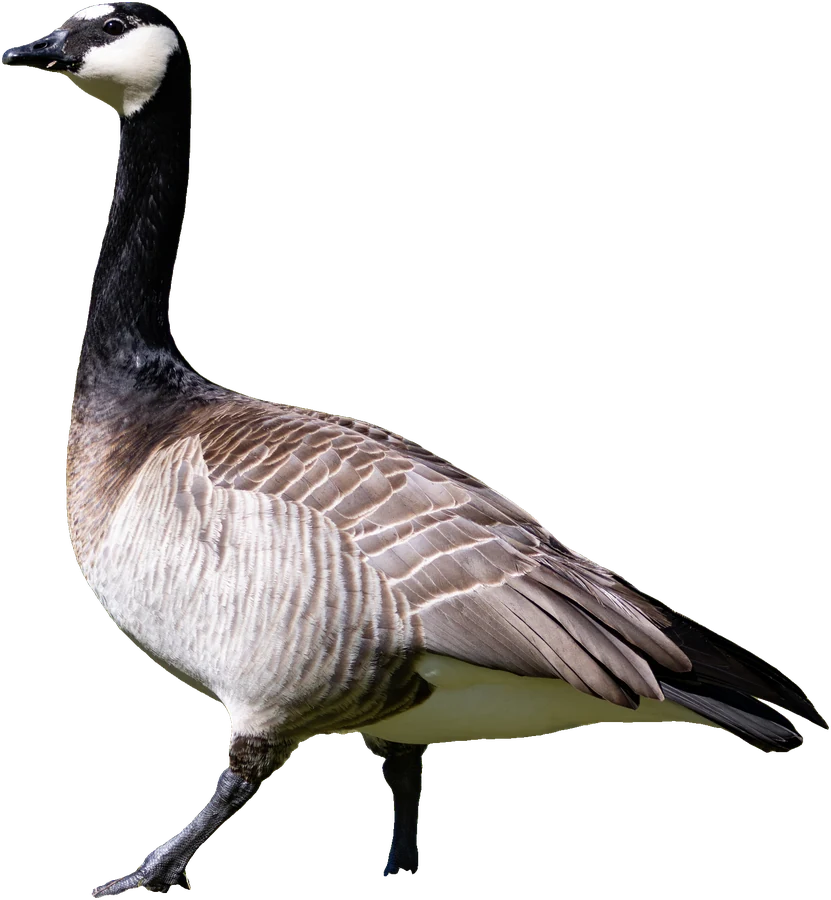 Canada GooseLake and wetland
Spot the Great Egret yourself
Free in your browser. Put out the right food in the lake and wetland and wait.