 Meadow & Feather
Birds › Lake and wetland › Wood Duck
Wood Duck
Aix sponsa
Ducklings jump from their tree-hole nest the day after hatching, sometimes from over 15 meters up, and land unhurt.
Where to see it for real: Uses nest boxes near water; it nearly vanished a century ago and came back thanks to boxes like these.
Lives in the Lake and wetland habitat (North American lakes and marshes).
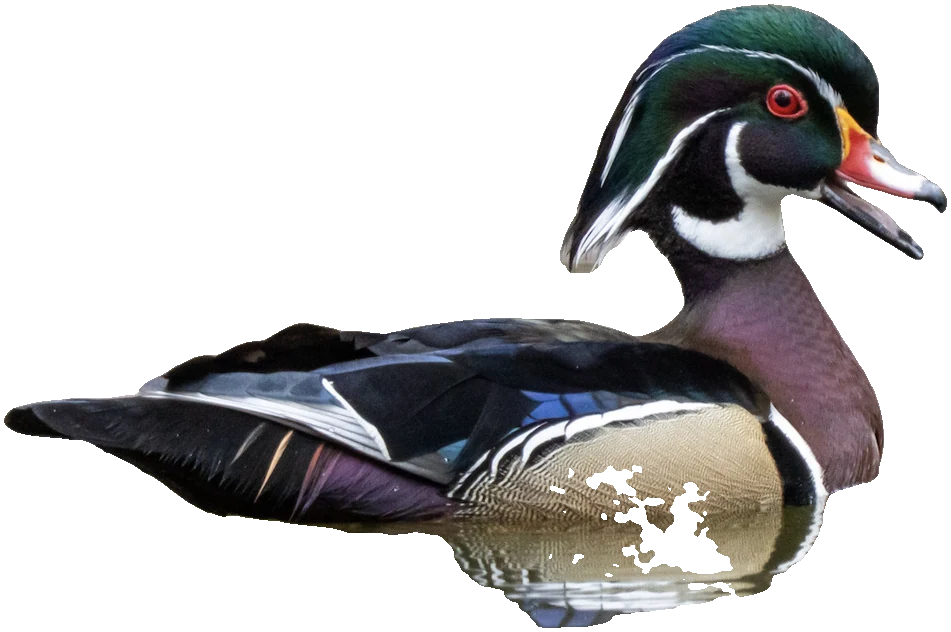
Wood Duck facts
- Family
- Ducks, geese and swans
- Length
- 20 in (50 cm)
- Wingspan
- 28 in (70 cm)
- Weight
- 23 oz (650 g)
- Diet
- Seeds, acorns, water plants and insects.
- Range
- Eastern North America and the Pacific Coast; winters in the southern United States.
- Nest
- A tree hole or nest box near water.
- Song
- Females give a squealing "oo-eek"; males a thin, rising whistle.
- Active
- at dawn, by day and at dusk
- Status
- Least Concern on the IUCN Red List: widespread and not at risk.
What the Wood Duck sounds like
How to attract the Wood Duck
Feeder foods, favorite first: millet. Feeders that hold them: tube feeder and platform feeder. Keep a bird bath full, too.
In the game: fill a feeder with millet and keep the bird bath full. It is an uncommon visitor, so be patient.
More: bird songs and calls, what to feed birds.
More birds of the lake and wetland
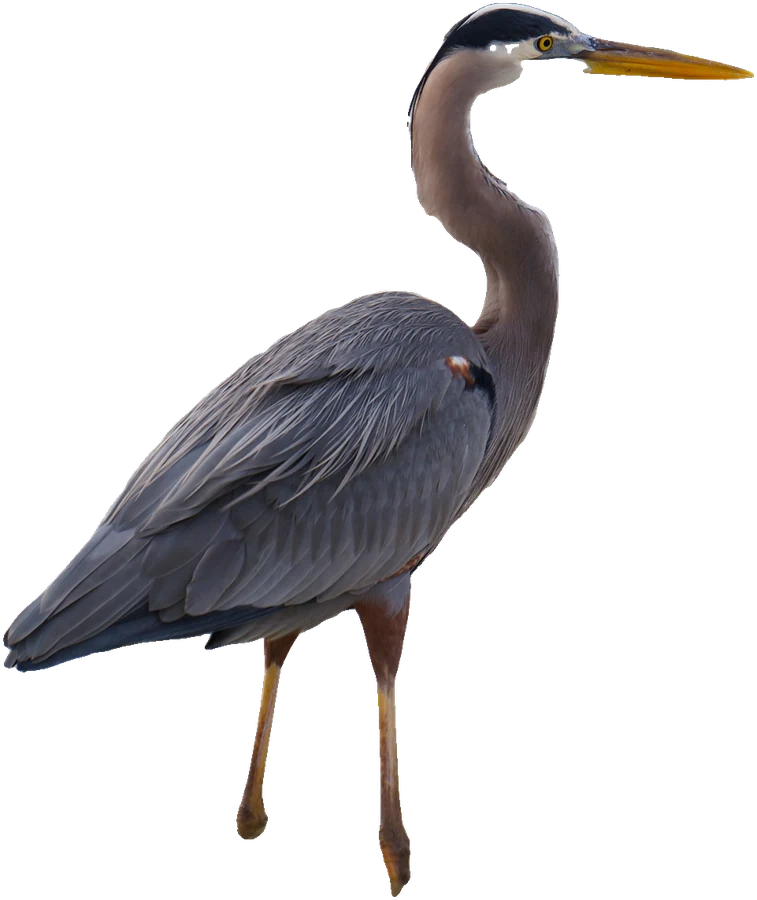 Great Blue HeronLake and wetland
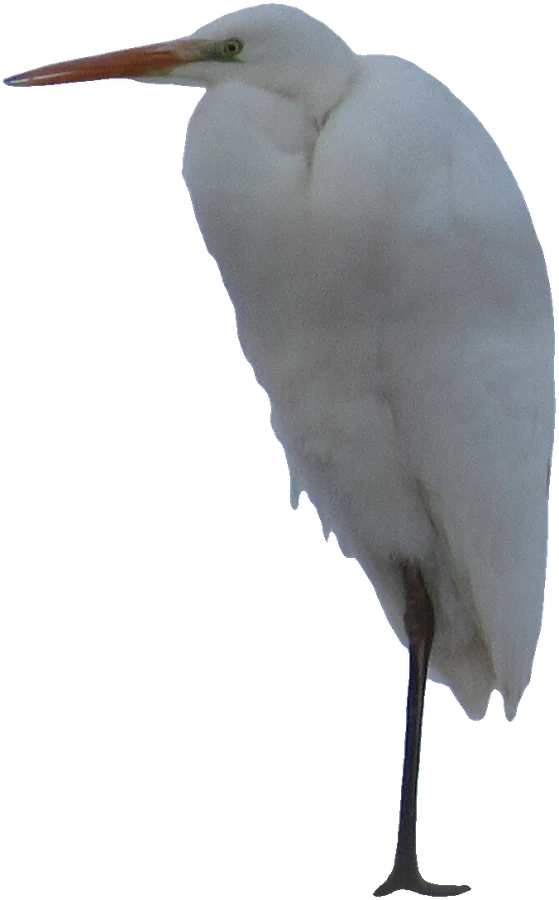 Great EgretLake and wetland
 Green HeronLake and wetland
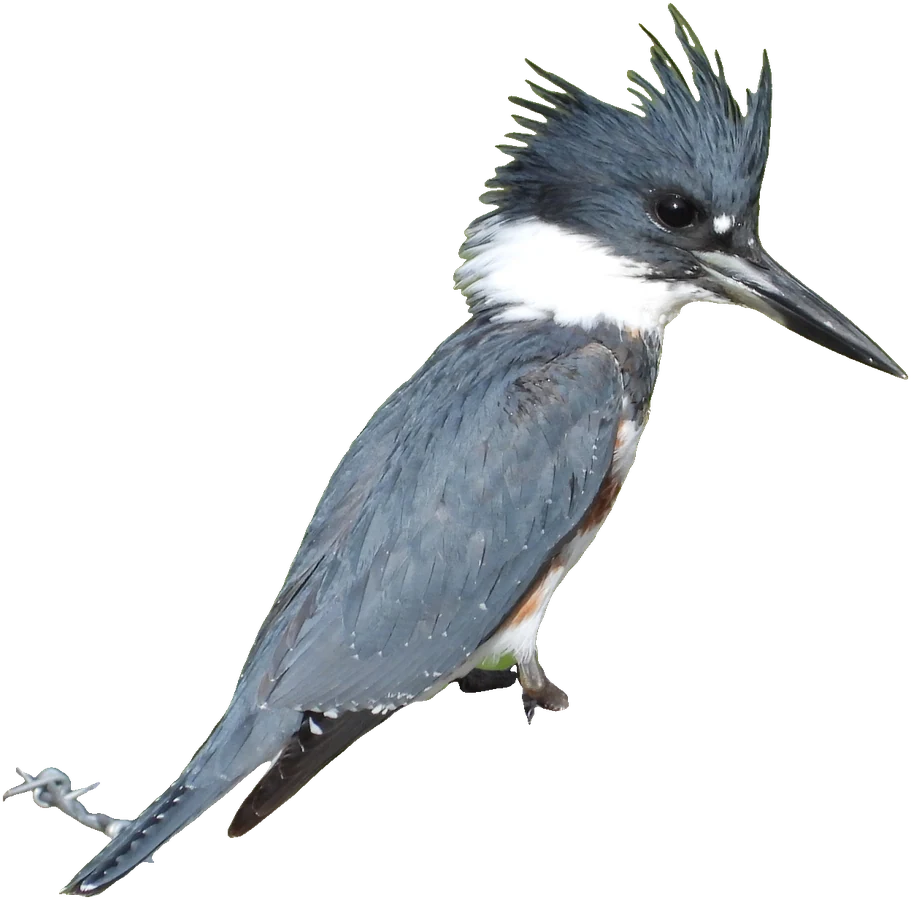 Belted KingfisherLake and wetland
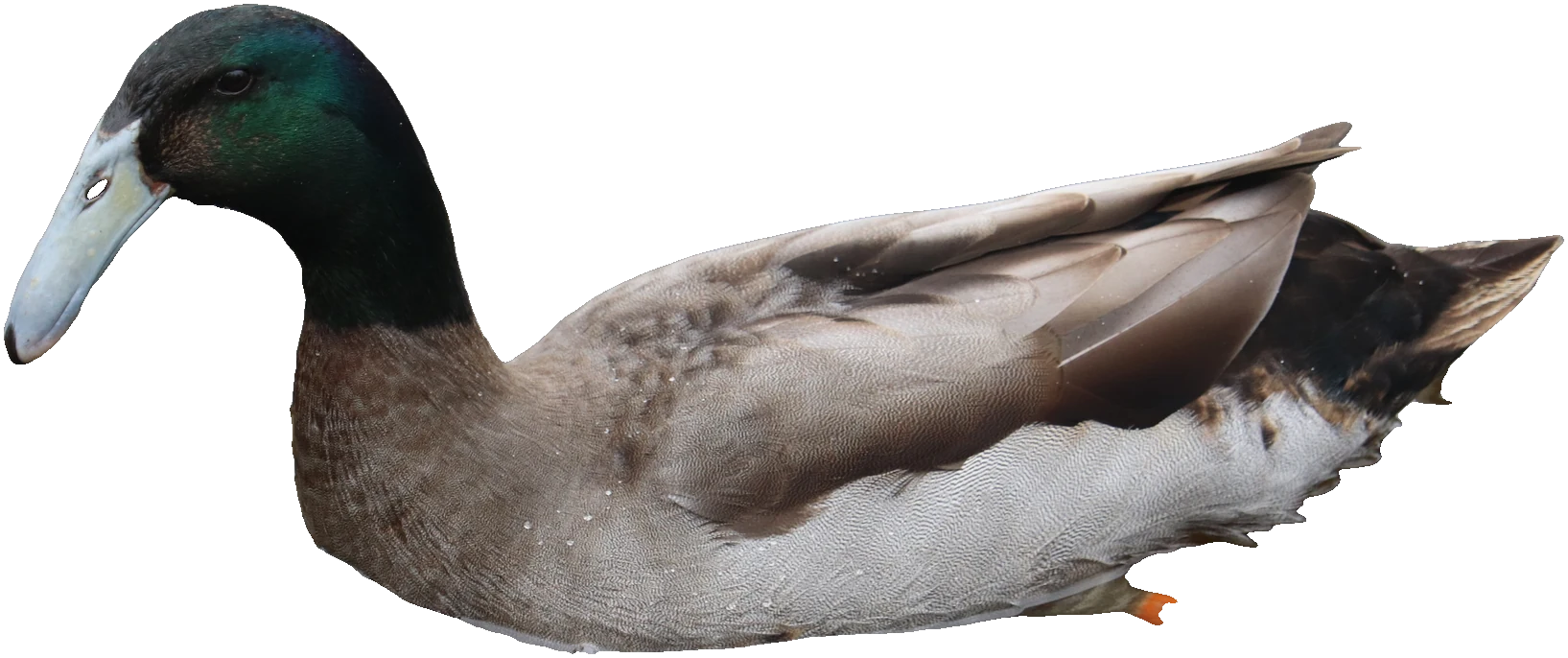 MallardLake and wetland
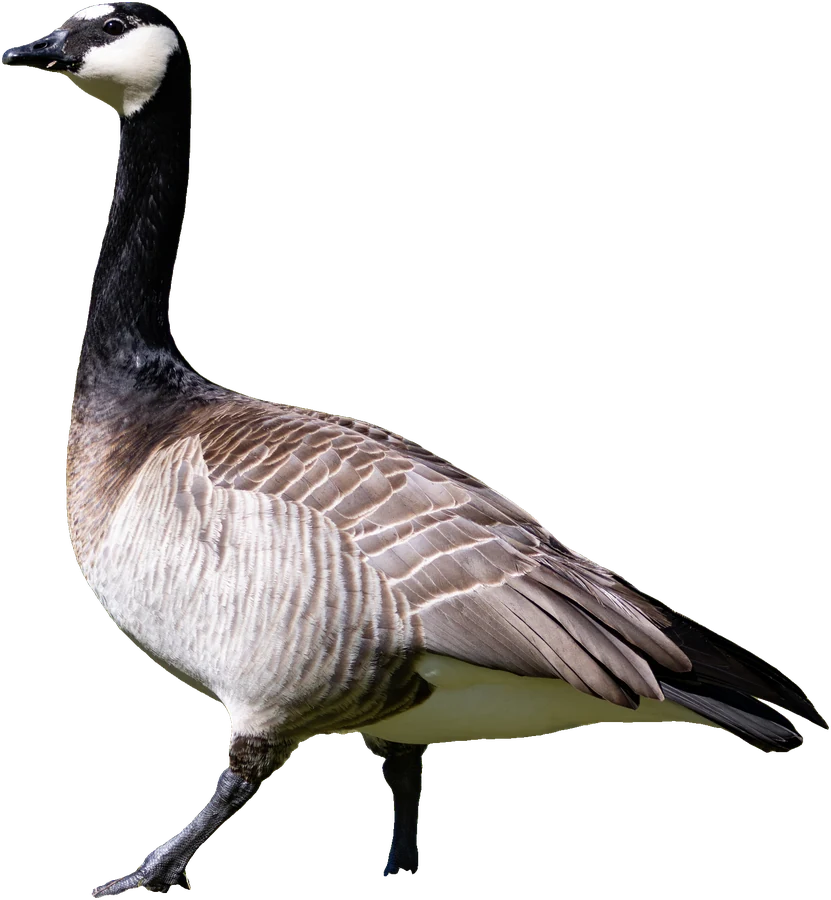 Canada GooseLake and wetland
Spot the Wood Duck yourself
Free in your browser. Put out the right food in the lake and wetland and wait.