 Meadow & Feather
Birds › Backyard › Carolina Wren
Carolina Wren
Thryothorus ludovicianus
A male may sing his loud "teakettle-teakettle" song nearly 3,000 times in a single day.
In your real yard: Suet and mealworms, and a brush pile for cover.
Lives in the Backyard habitat (Eastern North America).
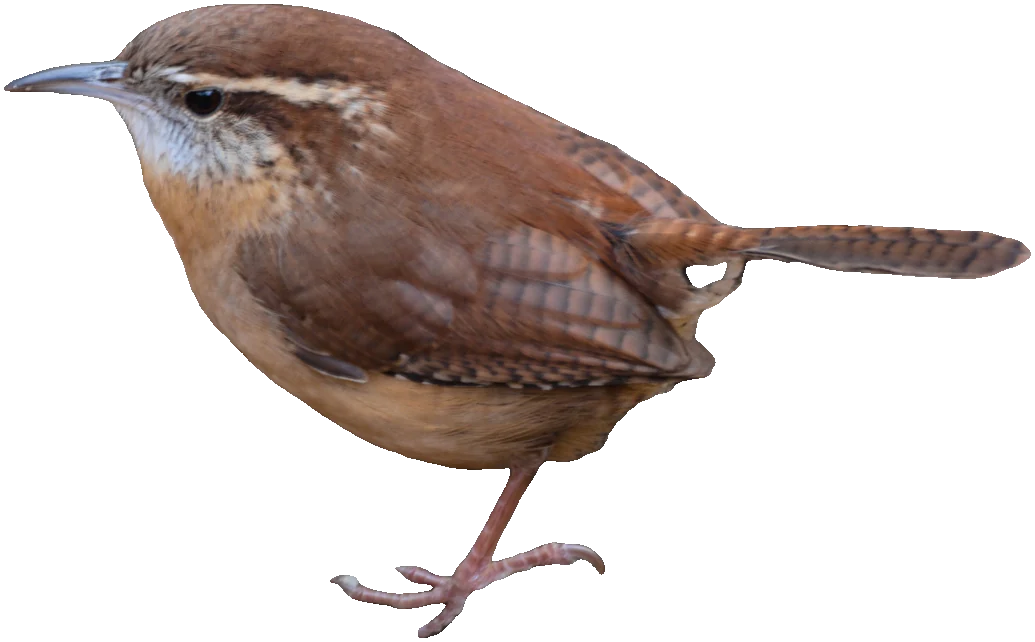
Carolina Wren facts
- Family
- Wrens
- Length
- 5.1 in (13 cm)
- Wingspan
- 11 in (29 cm)
- Weight
- 0.7 oz (20 g)
- Diet
- Insects and spiders, plus a few seeds and berries.
- Range
- Southeastern and central United States, slowly spreading north, and northeastern Mexico.
- Nest
- A domed nest in almost any nook: tree holes, mailboxes, flowerpots, even old boots.
- Song
- A very loud, rolling "teakettle-teakettle-teakettle".
- Active
- by day
- Status
- Least Concern on the IUCN Red List: widespread and not at risk.
What the Carolina Wren sounds like
How to attract the Carolina Wren
Feeder foods, favorite first: suet, mealworms, peanuts. Feeders that hold them: suet cage, platform feeder and tube feeder. Keep a bird bath full, too.
In the game: fill a feeder with suet, mealworms and peanuts and keep the bird bath full. It is an uncommon visitor, so be patient.
More: bird songs and calls, what to feed birds.
More birds of the backyard
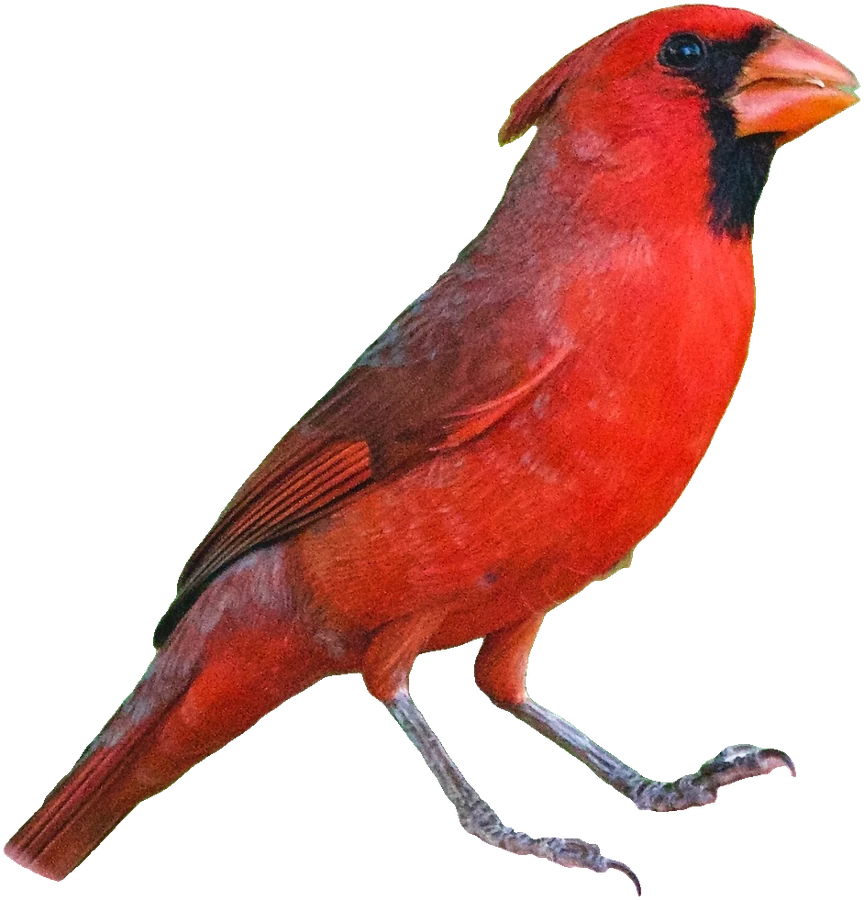 Northern CardinalBackyard
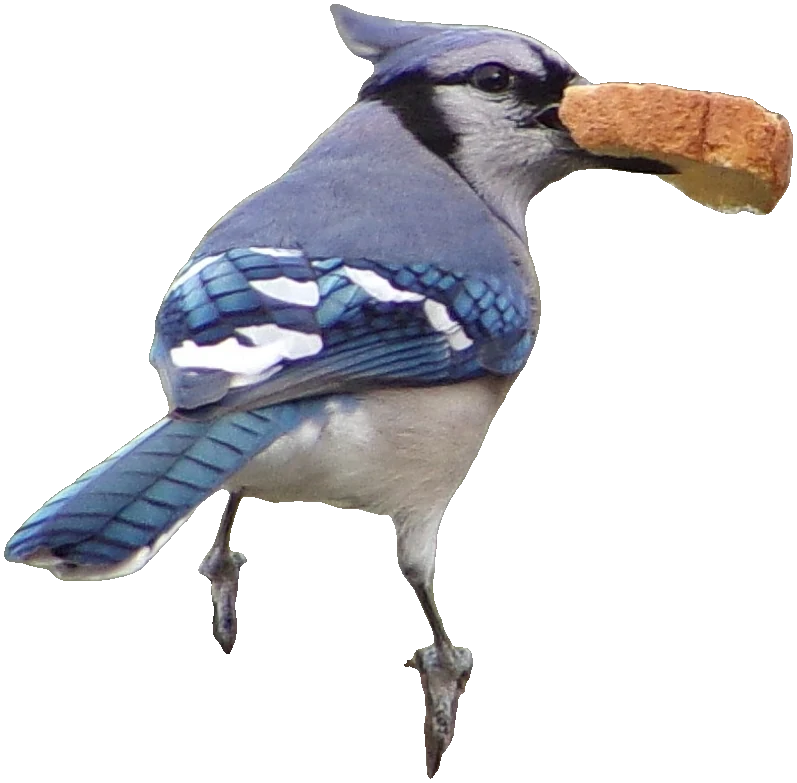 Blue JayBackyard
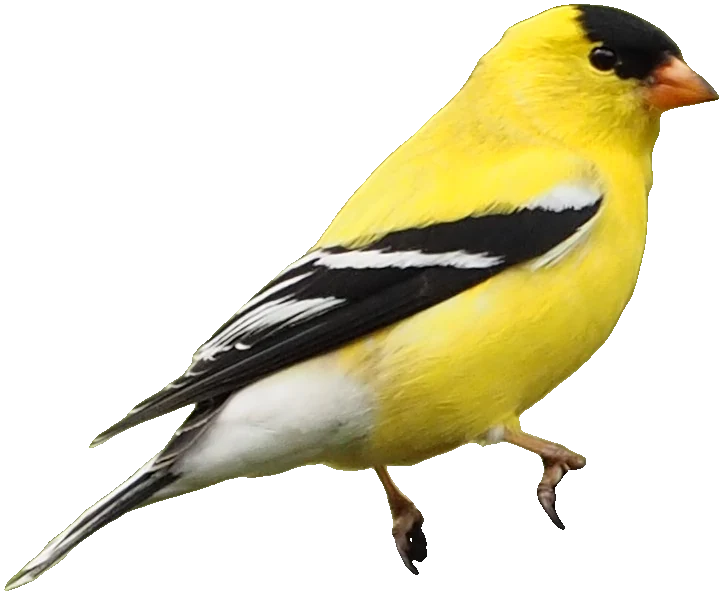 American GoldfinchBackyard
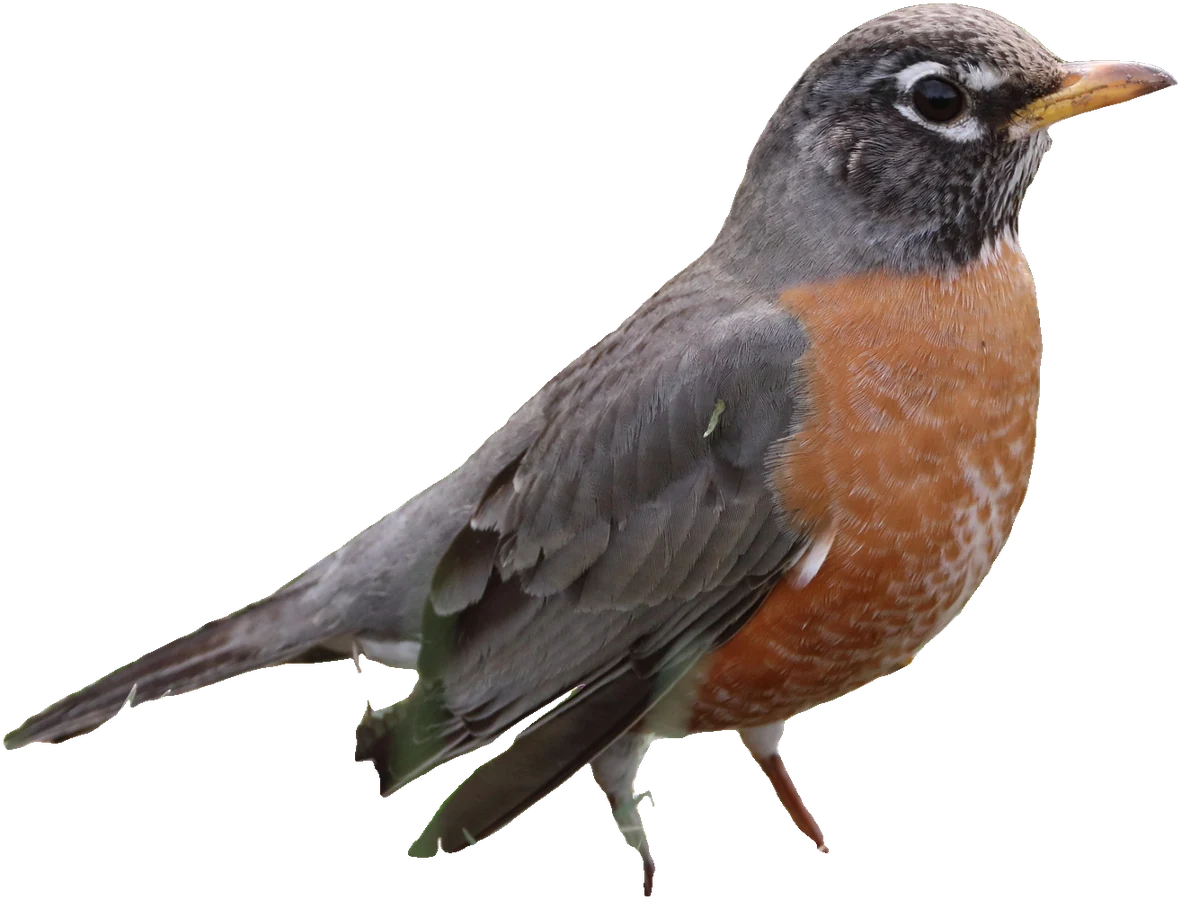 American RobinBackyard
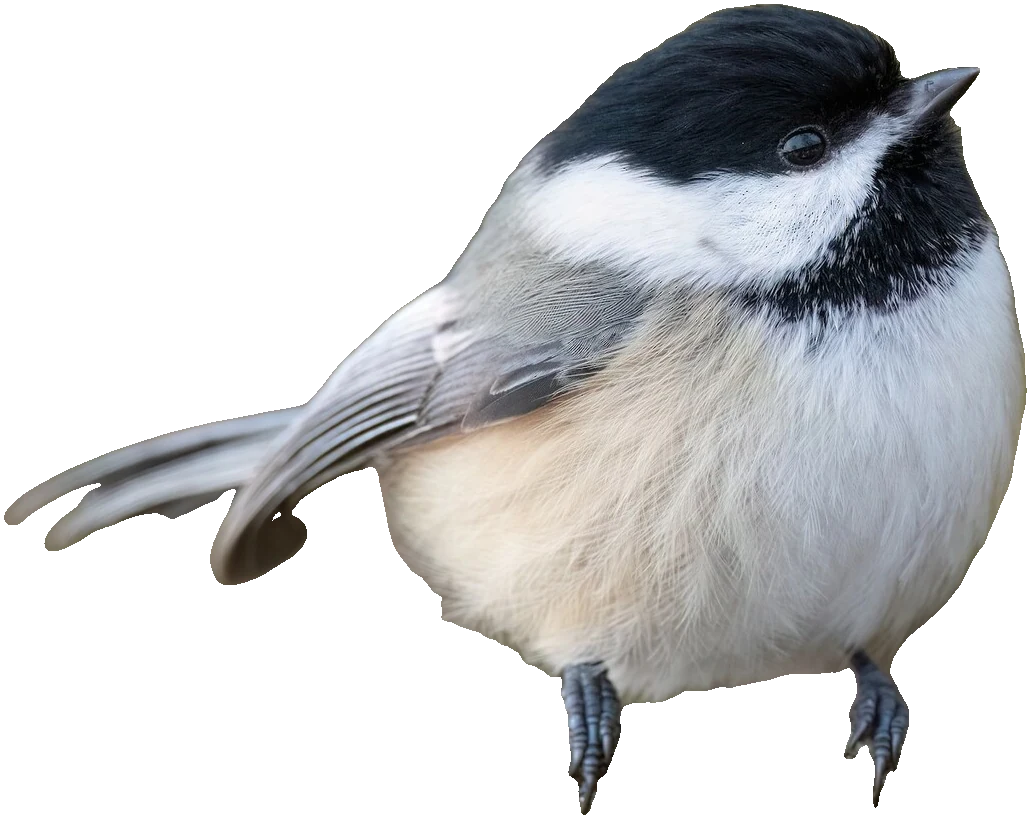 Black-capped ChickadeeBackyard
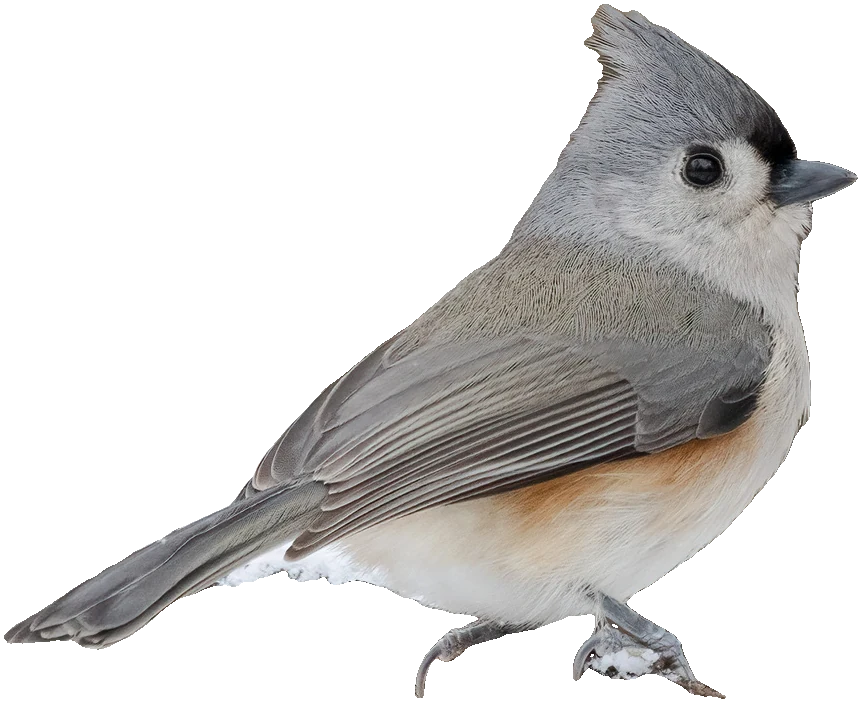 Tufted TitmouseBackyard
Spot the Carolina Wren yourself
Free in your browser. Put out the right food in the backyard and wait.