 Meadow & Feather
This month › November 2026
Birds to look for in November 2026
Monthly edition, published November 25, 2026. Updated
November is a month of movement. North of the equator, fall migration is ending and the winter birds are settling in. Snow Buntings arrive south of the Arctic around mid-October to November, and in Europe big flocks of Common Wood Pigeons pass overhead on clear, calm autumn days, especially in late October and November. In the Himalayas, Black-necked Cranes come down to spend the winter in the valleys of Bhutan, southern Tibet and Yunnan from about November.
At the feeder, this is the season of flocks. Black-capped Chickadees travel in noisy mixed flocks through fall and winter, Blue Jays migrate by day along lakeshores and coasts, and Mourning Doves gather in flocks. In Europe, Eurasian Jays are easiest to see now, flying in the open with acorns to hide, and Long-tailed Tits roam woods and gardens in family flocks of about 20. The Baltimore Oriole has left, and Atlantic Puffins and Arctic Terns are out at sea until they return to their colonies.
South of the equator it is spring, and nesting is in full swing. Fifteen of our species have November in their nesting months, from the Laughing Kookaburra and the Tawny Frogmouth in Australia to the Southern Masked Weaver and the Lilac-breasted Roller in southern Africa. Australian Magpies reach the end of their peak of breeding, carolling and swooping, which runs from August to November, so if one nests near you, take a detour around its tree.
In a northern yard, November is a month to leave things be. Leave the dry seed heads of purple coneflower standing: goldfinches pick the seeds right out of them. In Europe, jays bury thousands of acorns each autumn, and the ones they forget grow into new oaks. This month's look-alike pair is a small one: Anna's Hummingbird and Costa's Hummingbird.
On the calendar in November
These birds have November named in our sources for when and where to find them.
Sea cliffs North Atlantic coast, in summer
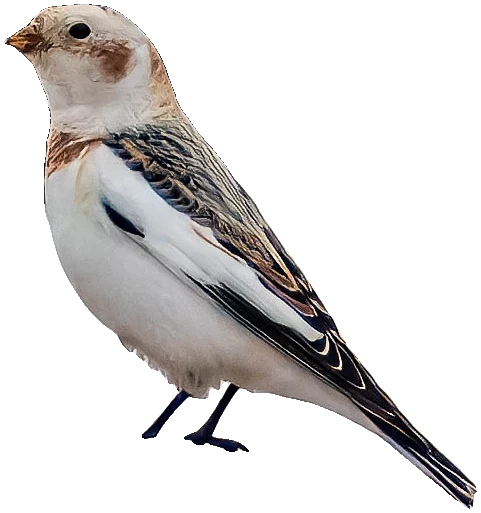
Snow Bunting
Late fall through winter south of the Arctic, arriving around mid-October to November and leaving at the first signs of spring.
City park Europe, in a London park
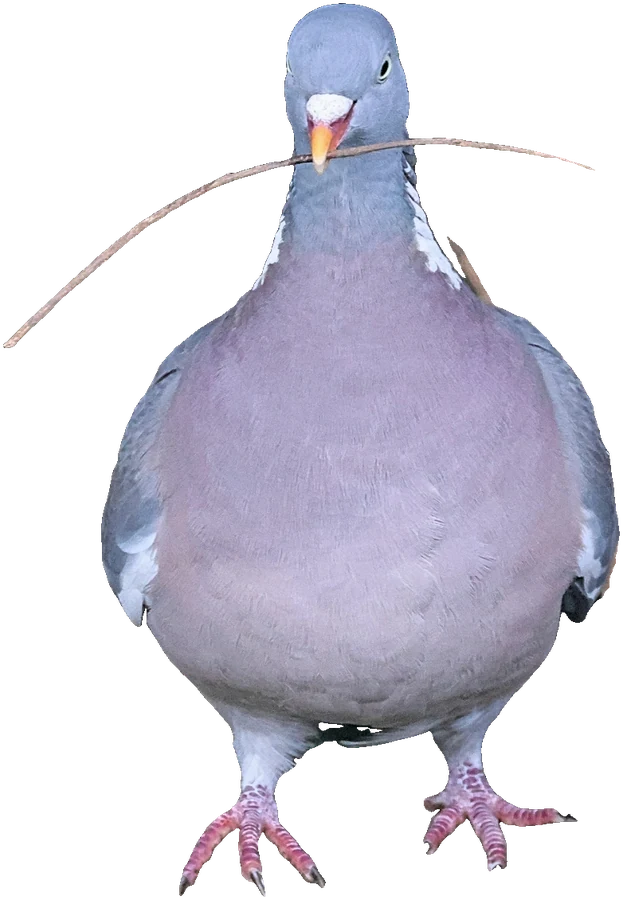
Common Wood Pigeon
Big migrating flocks pass overhead on clear, calm autumn days, especially late October and November.
Mountain lake Eastern Himalayas, Yunnan, China, at about 3,700 m
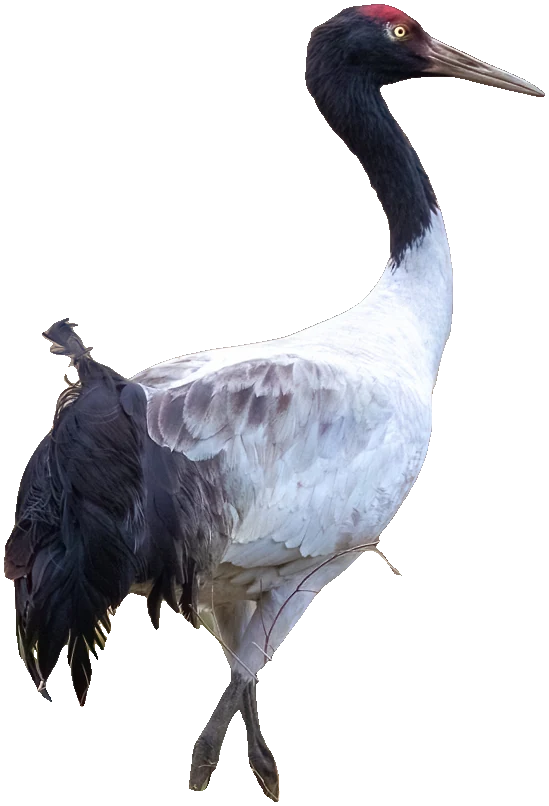
Black-necked Crane
Winter, from about November to spring, in valleys of Bhutan, southern Tibet and Yunnan.
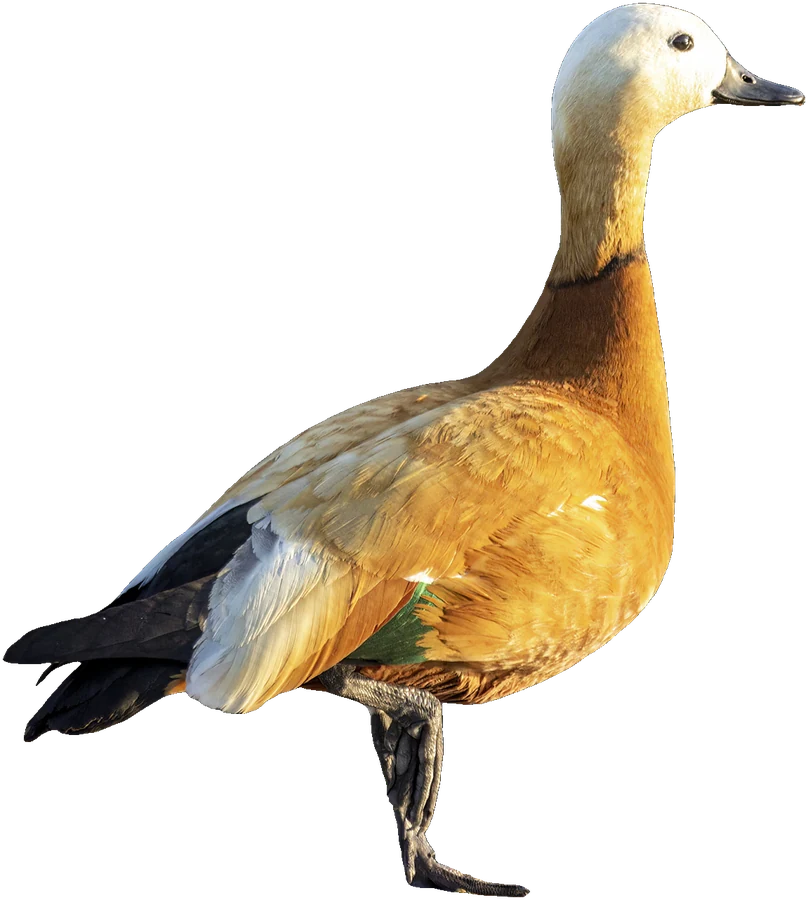
Ruddy Shelduck
In India from October to April.
Migrants: who is here and who is away
Most of our 118 species live in their habitat all year. These 14 come and go with the seasons.
In their habitat in November: Dark-eyed Junco (backyard), Phainopepla (desert scrub), Northern Gannet (sea cliffs), Snow Bunting (sea cliffs) and Black-necked Crane (mountain lake).
Leaving after this month: Northern Gannet.
Away for now: Baltimore Oriole, Green Heron, Atlantic Puffin, Razorbill, Common Murre, Black-legged Kittiwake, Arctic Tern, Black-naped Oriole and Eurasian Hoopoe.
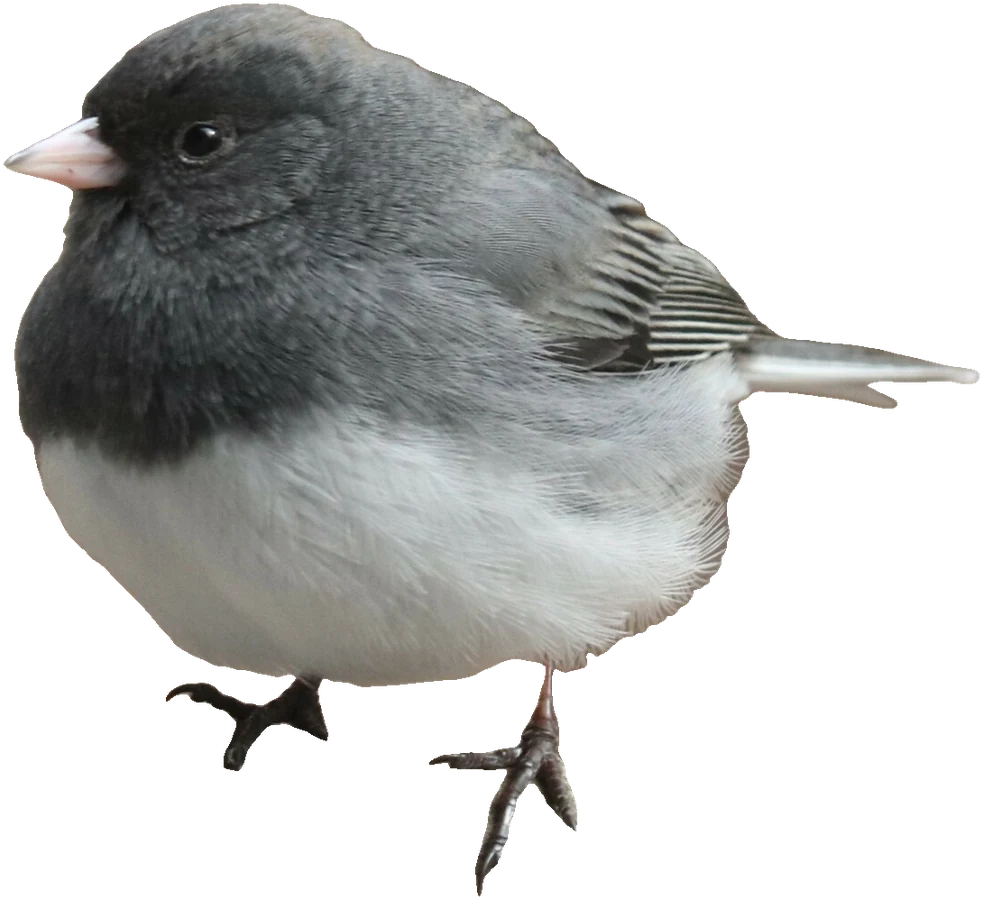
Dark-eyed Junco
In most of the eastern US, from the start of winter until spring; all year in Canada, the West and the Appalachians.
Backyard, Eastern North America
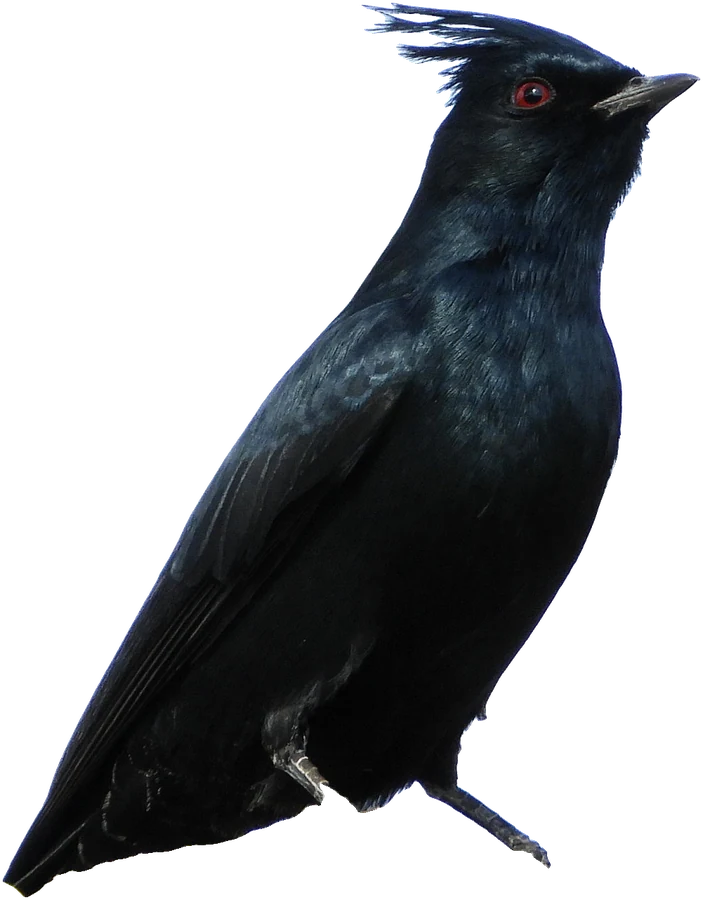
Phainopepla
Its seasons vary from place to place because it moves around following ripe berries; it nests in the desert in spring.
Desert scrub, Sonoran Desert, Arizona and Mexico
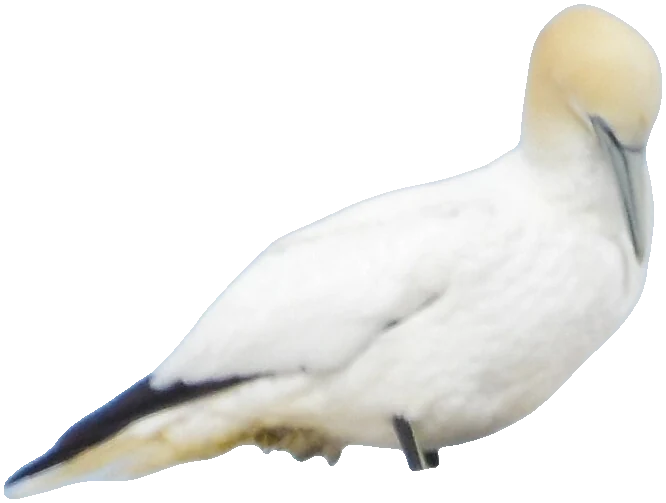
Northern Gannet
Spring to fall at colonies and along coasts; in winter offshore along the US Atlantic coast and the Gulf of Mexico.
Sea cliffs, North Atlantic coast, in summer
Snow Bunting
Late fall through winter south of the Arctic, arriving around mid-October to November and leaving at the first signs of spring.
Sea cliffs, North Atlantic coast, in summer
Black-necked Crane
Winter, from about November to spring, in valleys of Bhutan, southern Tibet and Yunnan; summer on the Tibetan Plateau.
Mountain lake, Eastern Himalayas, Yunnan, China, at about 3,700 m
What to watch for this season
North of the equator it is fall, south of it spring. Each line below is from the bird's own page, where the sources are listed.
Backyard Eastern North America
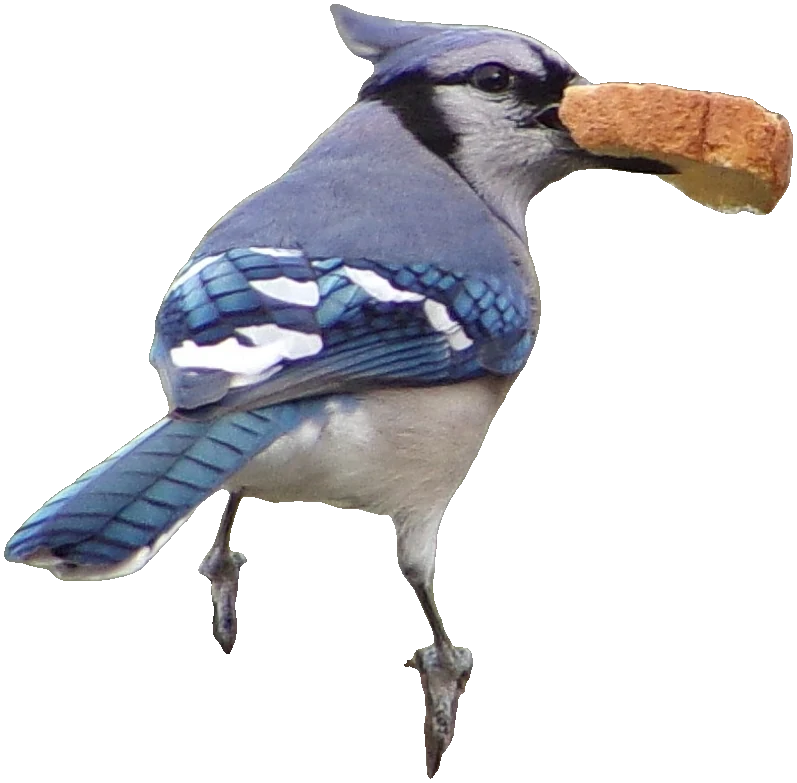
Blue Jay
In fall, watch for flocks migrating by day along lakeshores and coasts.
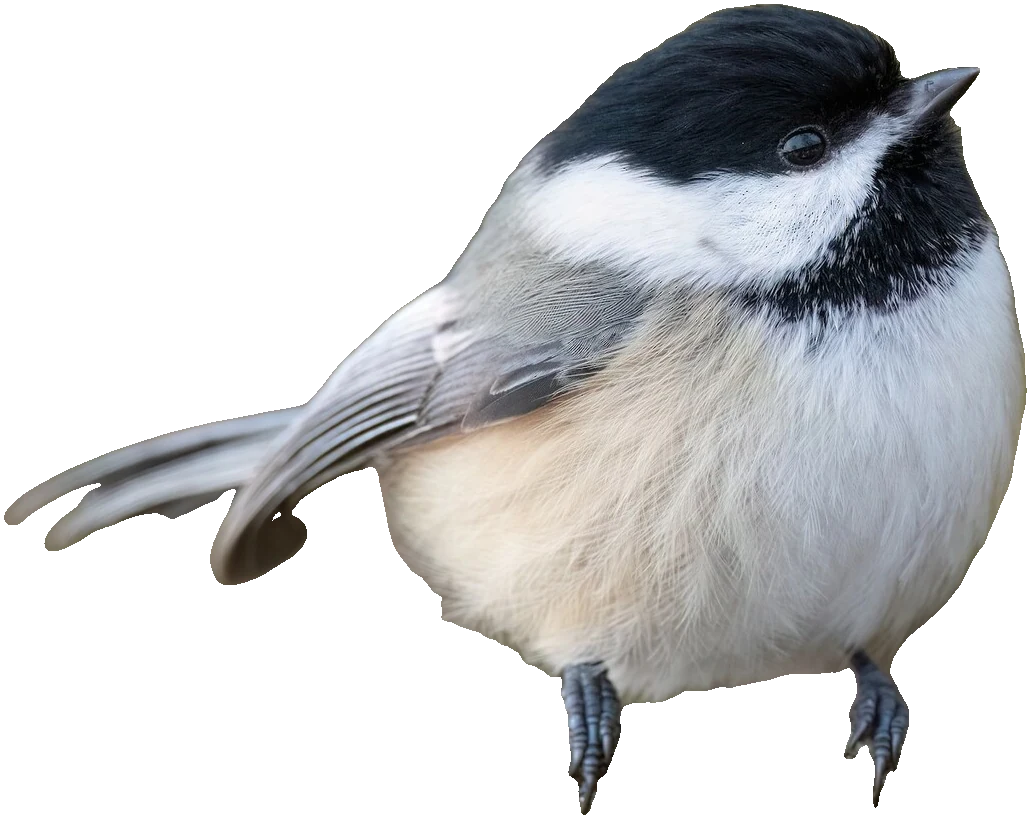
Black-capped Chickadee
In fall and winter they travel in noisy mixed flocks.
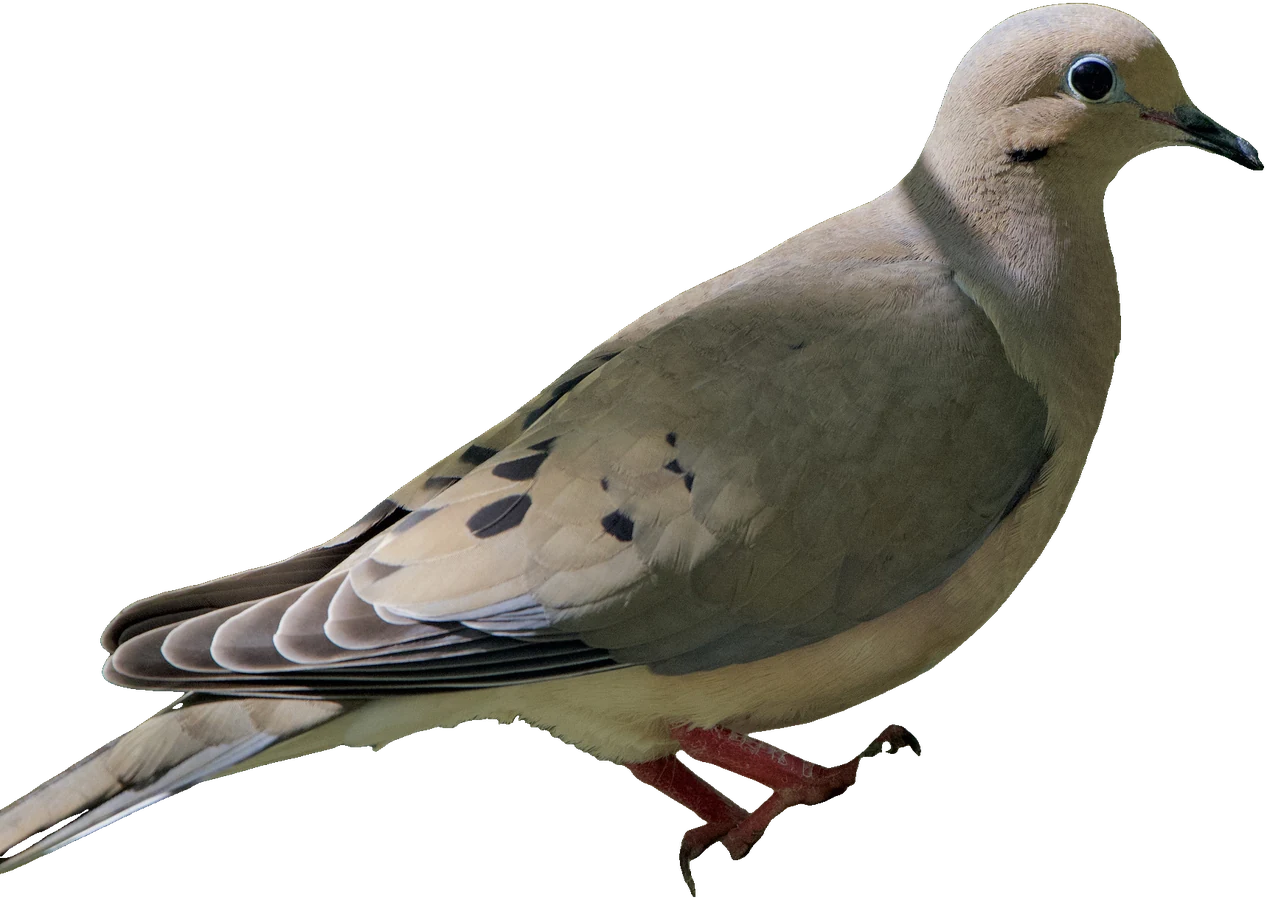
Mourning Dove
Flocks gather in fall and winter.
Lake and wetland North American lakes and marshes
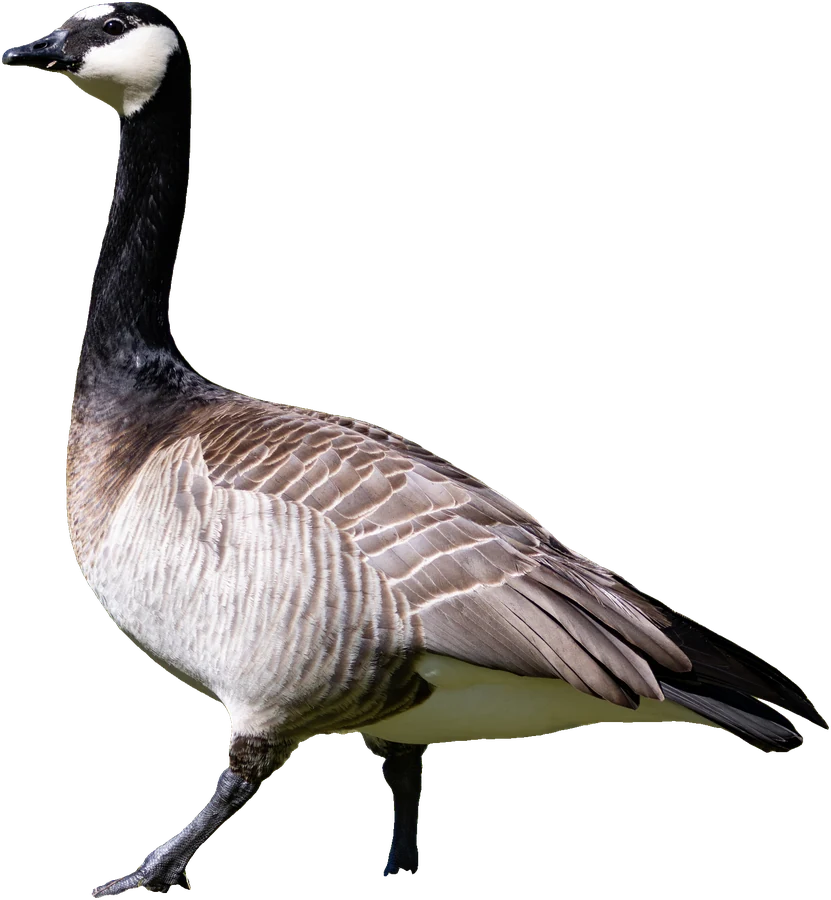
Canada Goose
Migrating flocks are heard overhead by day and night in spring and fall.
Sea cliffs North Atlantic coast, in summer
Northern Gannet
Spring to fall at colonies and along coasts.
Australian bush Eastern Australia, among gum trees
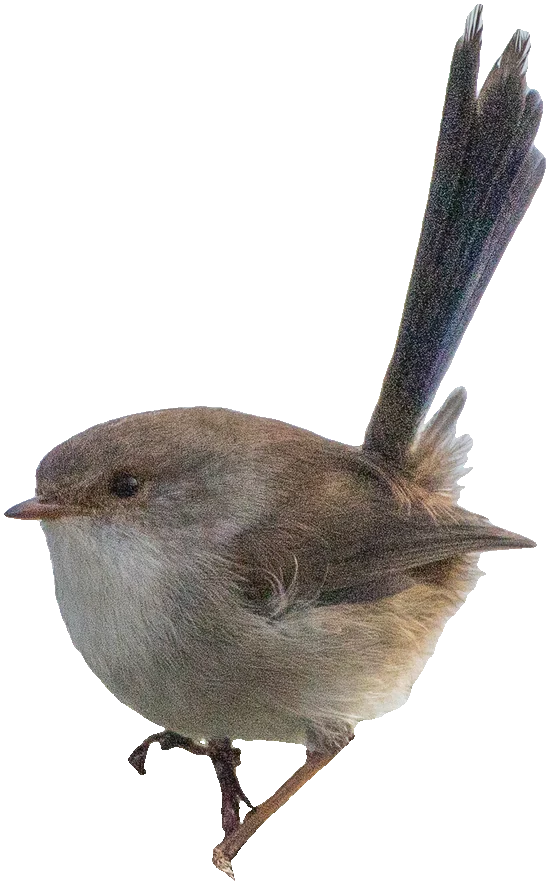
Superb Fairywren
Males are brightest blue in spring and summer.
Garden pond East Asia, at the Summer Palace in Beijing
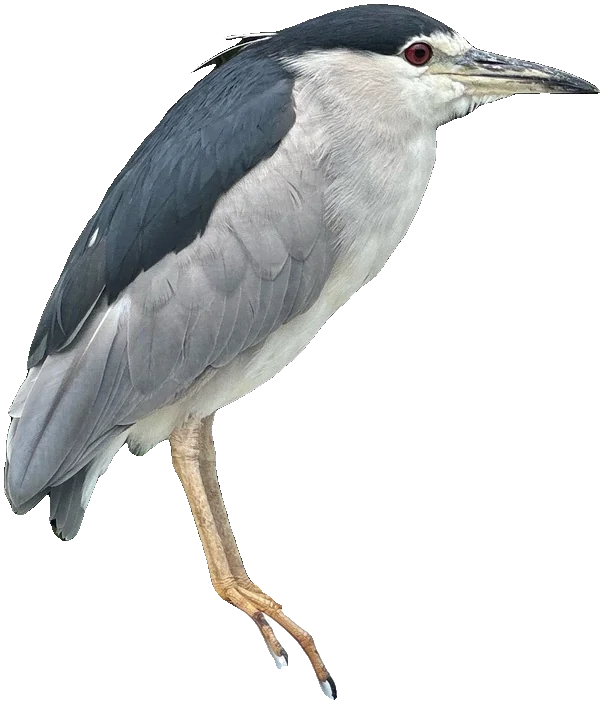
Black-crowned Night Heron
Spring to autumn in the north of East Asia, where birds migrate south for winter.
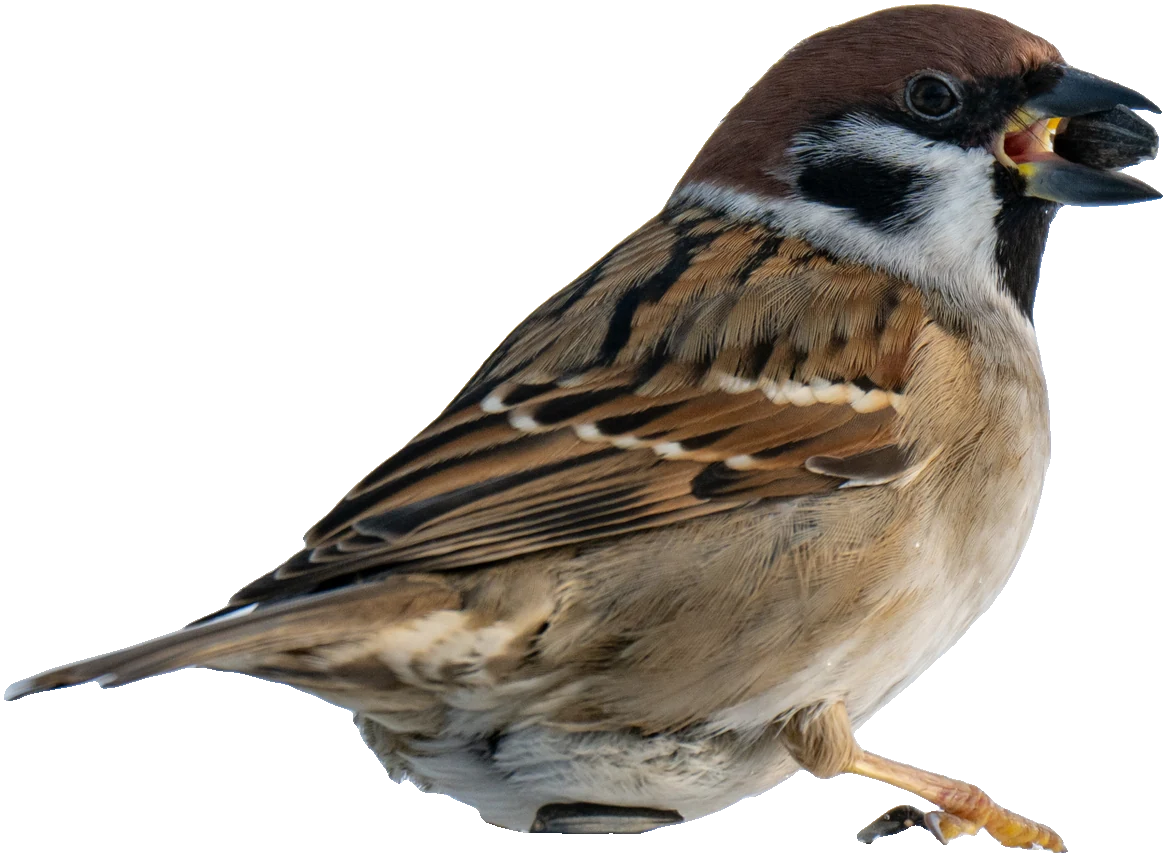
Eurasian Tree Sparrow
Flocks are biggest in autumn and winter.
City park Europe, in a London park
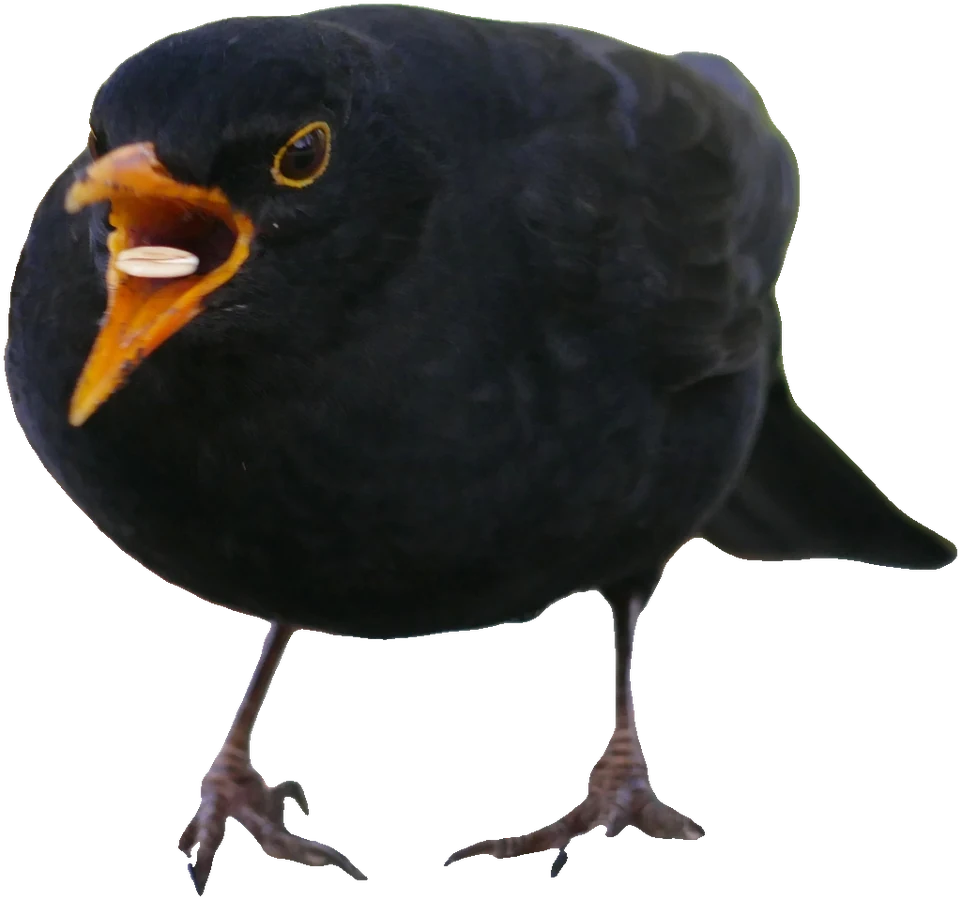
Eurasian Blackbird
Numbers rise in autumn and winter as northern birds arrive.
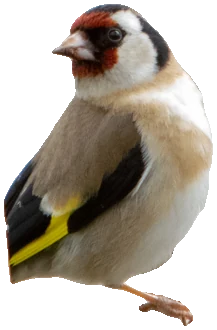
European Goldfinch
In flocks in autumn and winter.
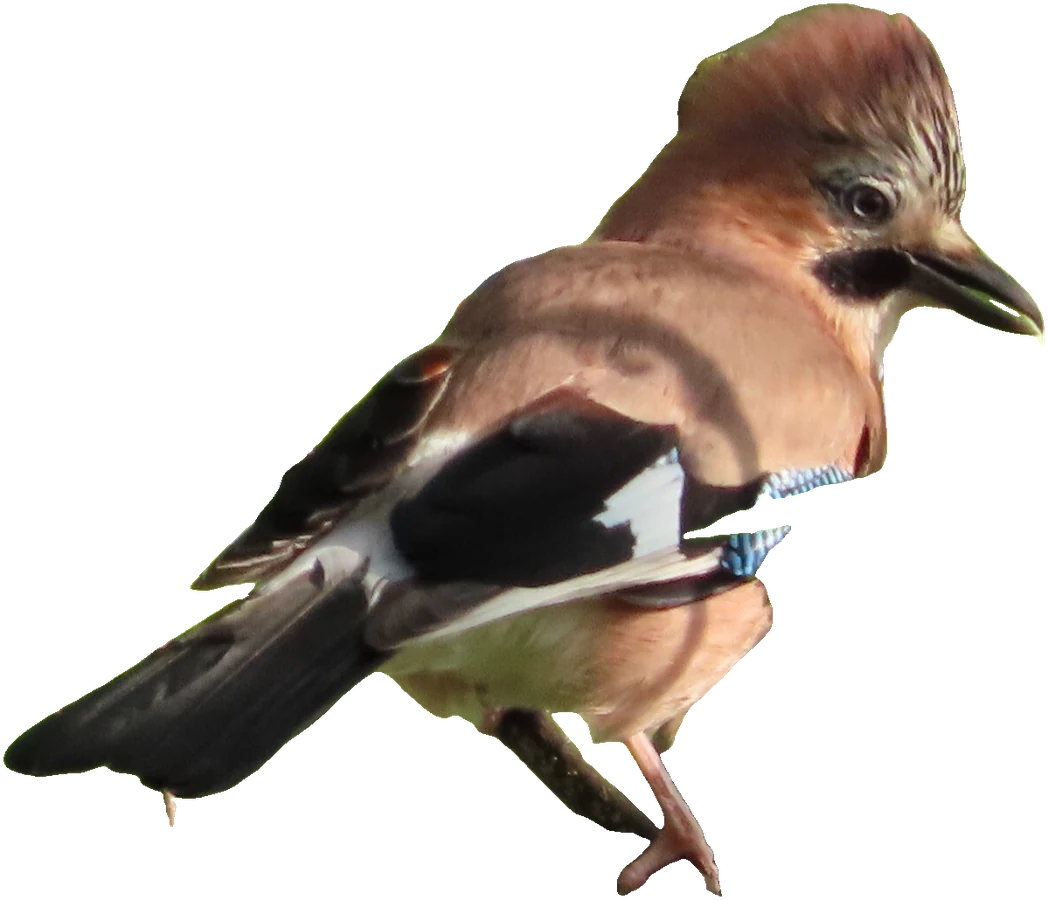
Eurasian Jay
Easiest in autumn, when jays fly in the open carrying acorns from oak trees to hide.
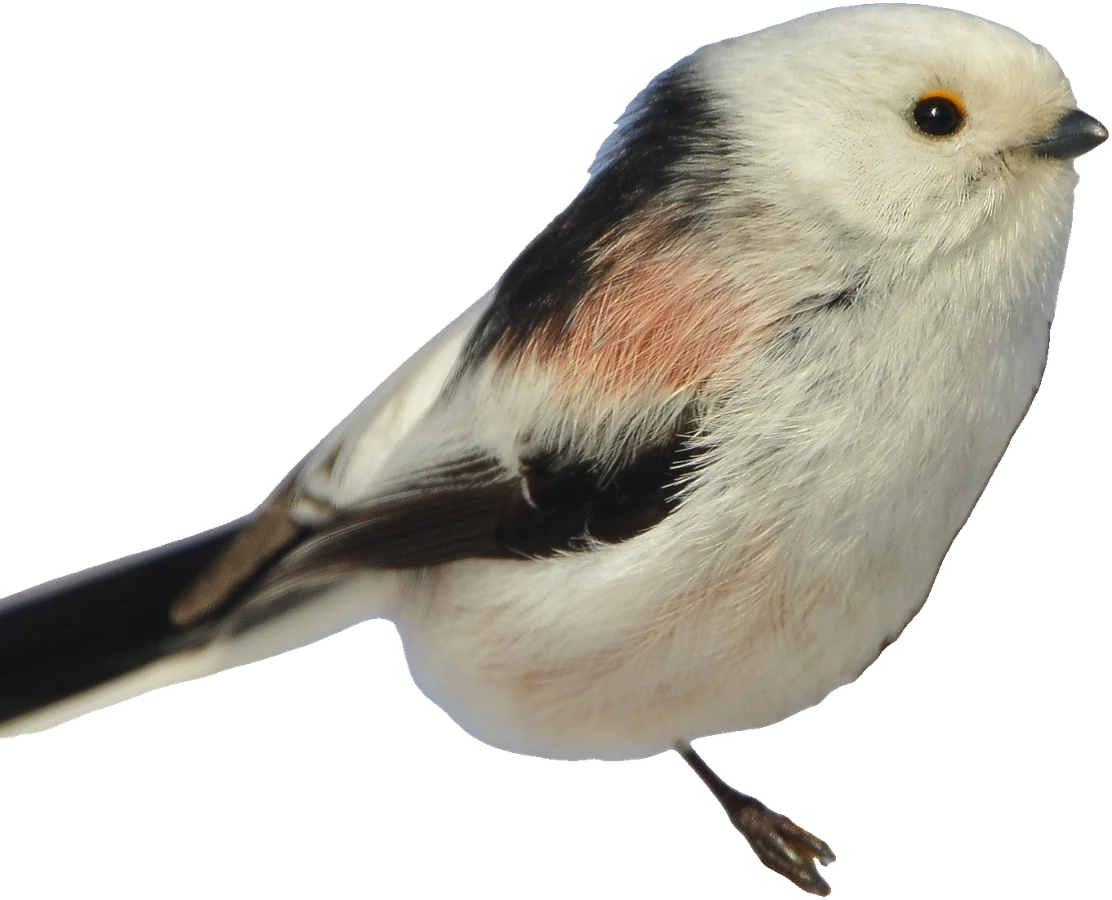
Long-tailed Tit
Easiest in autumn and winter, when noisy family flocks of about 20 roam woods and gardens.
Mountain lake Eastern Himalayas, Yunnan, China, at about 3,700 m
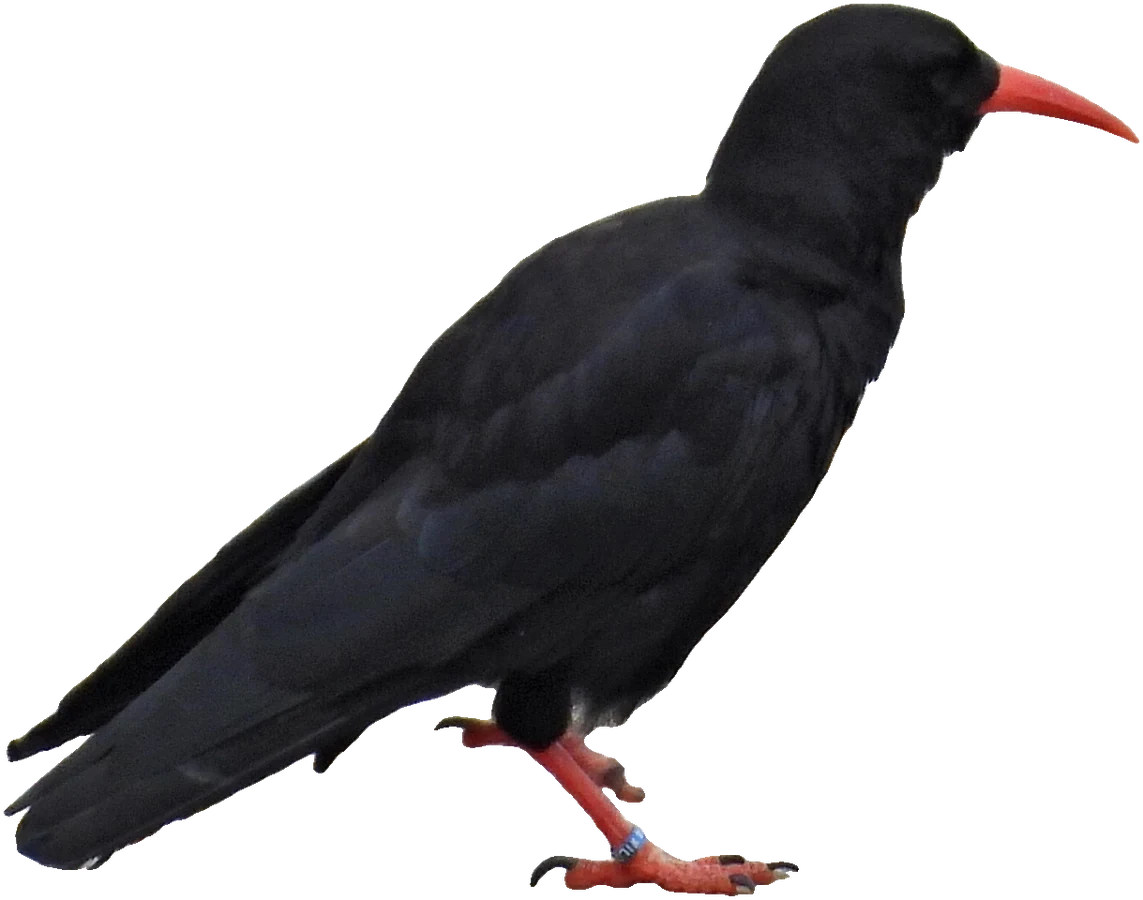
Red-billed Chough
Flocks form in autumn and winter.
Nesting now
North of the equator
It is fall here. Spring and summer are the main nesting season, so most birds here are not nesting now.
None of our northern species has November named as a nesting month in our sources.
South of the equator
It is spring here. Spring and summer are the main nesting season, so this is the time for nests.
November is in the nesting months of:
- Lilac-breasted Roller (African savanna): In southern Africa it lays eggs from August to February. Eggs and chicks
- Little Bee-eater (African savanna): In southern Africa it nests from August to February. Eggs and chicks
- Southern Yellow-billed Hornbill (African savanna): Nesting follows good rains, mostly September to March. Eggs and chicks
- Southern Masked Weaver (African savanna): Colonies are busiest from September to January, when males are bright yellow and building. Eggs and chicks
- Fork-tailed Drongo (African savanna): South of the equator it nests from September to January. Eggs and chicks
- Laughing Dove (African savanna): It nests in every month, with a peak from August to December in southern Africa. Eggs and chicks
- Crested Barbet (African savanna): Nesting peaks from September to December. Eggs and chicks
- Galah (Australian bush): Breeds February to July in the north and July to December in the south. Eggs and chicks
- Laughing Kookaburra (Australian bush): Breeds August to January. Eggs and chicks
- Sulphur-crested Cockatoo (Australian bush): Breeds August to January in the south and May to September in the north. Eggs and chicks
- Australian Magpie (Australian bush): Breeding, carolling and swooping peak from August to November. Eggs and chicks
- Crimson Rosella (Australian bush): Breeding runs September to February. Eggs and chicks
- Eastern Yellow Robin (Australian bush): Breeds July to January. Eggs and chicks
- Willie Wagtail (Australian bush): Breeds July to December. Eggs and chicks
- Tawny Frogmouth (Australian bush): Breeds August to January in the south. Eggs and chicks
In the tropics
In the tropical rainforest there is no single nesting season: birds can nest in any month.
None of our rainforest species has November named as a nesting month in our sources.
Eggs, incubation and fledging times for every species are on the bird nesting calendar.
In your yard this month
Tips from our plant notes, the feeder food guide and each bird's "how you can help" note that fit the season of November.
North of the equator
- Purple coneflower (backyard): Leave the dry seed heads standing in fall: goldfinches pick the seeds right out of them.
- Persimmon (garden pond): Ripe persimmons left on the tree in late fall feed magpies and bulbuls.
- English oak (city park): Jays bury thousands of acorns each autumn. The ones they forget grow into new oaks.
South of the equator
- Australian Magpie (Australian bush): Avoid poison baits in the garden, since magpies die after eating poisoned prey, and in spring take a detour around a nesting tree. Source
- Willie Wagtail (Australian bush): Keep cats indoors, especially in spring when wagtails nest low, and offer a shallow birdbath. Source
More: native plants for birds, how to help birds, what to feed birds.
Look-alike pair of the month
Anna's Hummingbird or Costa's Hummingbird?
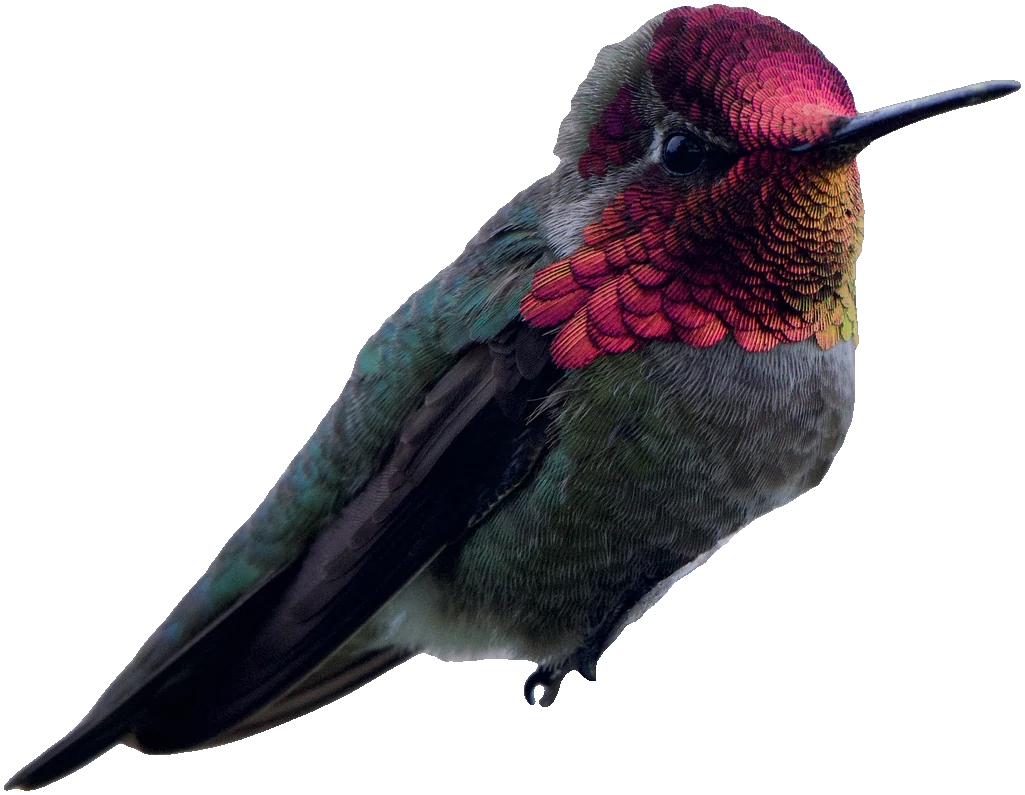
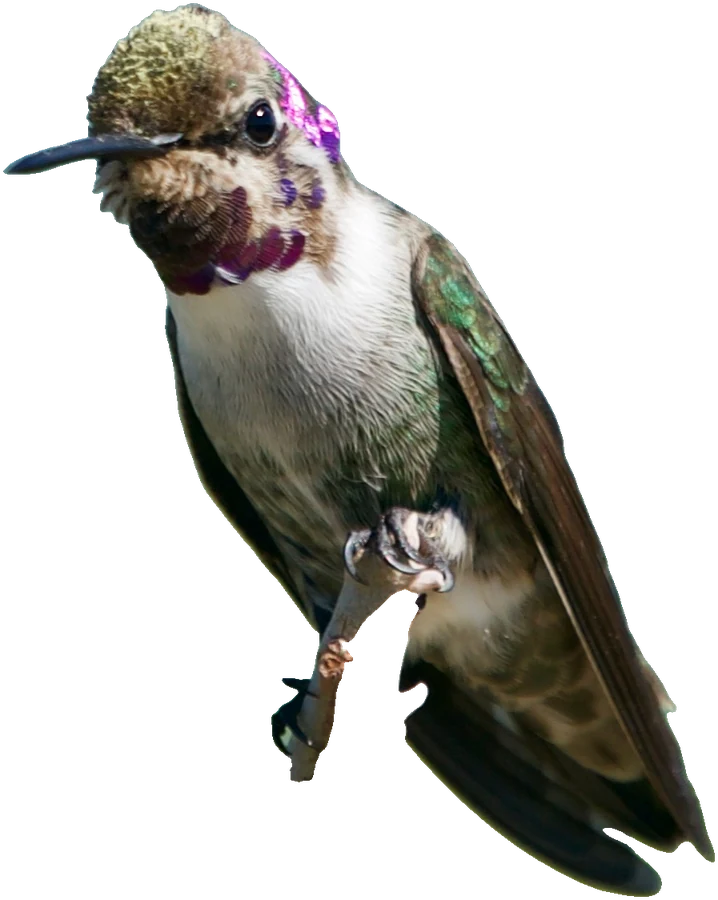
Costa's Hummingbird, compared with the Anna's Hummingbird: Smaller, with a purple crown and a purple gorget that flares down at the sides.
Anna's Hummingbird, compared with the Costa's Hummingbird: Larger, with a longer bill and tail; female Costa's is smaller with a paler belly.
More on the Anna's Hummingbird page and the Costa's Hummingbird page.
29 more pairs on look-alike birds.
All editions
A new edition comes out in the first week of every month. Old editions stay here. Next: December 2026.
Watch for them in the game
The game follows the real seasons: migrants come and go and nest boxes fill in spring.