 Meadow & Feather
Native plants for birds
Updated
A feeder helps, but plants do more: seeds and berries, nectar, insects for chicks, and cover from hawks and weather. Here are the 42 plants in Meadow & Feather, grouped by the habitat they belong to, with the birds each one brings.
Every habitat needs four things: food, water, shelter and a place to raise young. Each plant below is marked with the one it gives most. They are real plants of those places, so for your own yard, pick the ones native to where you live.
Plant or prepare in November
North of the equator
- Purple coneflower (backyard): Leave the dry seed heads standing in fall: goldfinches pick the seeds right out of them.
- Persimmon (garden pond): Ripe persimmons left on the tree in late fall feed magpies and bulbuls.
- English oak (city park): Jays bury thousands of acorns each autumn. The ones they forget grow into new oaks.
South of the equator
- Australian Magpie (Australian bush): Avoid poison baits in the garden, since magpies die after eating poisoned prey, and in spring take a detour around a nesting tree. Source
- Willie Wagtail (Australian bush): Keep cats indoors, especially in spring when wagtails nest low, and offer a shallow birdbath. Source
Backyard Eastern North America
Purple coneflower Echinacea purpurea
Food Leave the dry seed heads standing in fall: goldfinches pick the seeds right out of them.
Brings: American Goldfinch, House Finch, Dark-eyed Junco
Serviceberry Amelanchier canadensis
Food Its berries ripen in early summer, and robins, orioles and cardinals find them within days.
Brings: American Robin, Baltimore Oriole, Blue Jay, Northern Cardinal
Eastern red cedar Juniperus virginiana
Shelter A dense evergreen where birds shelter from wind and snow. Its blue, berry-like cones are winter food.
Brings: Northern Cardinal, Dark-eyed Junco, Mourning Dove
White oak Quercus alba
A place to raise young Oaks feed more kinds of caterpillars than any other North American tree, and one brood of chickadees needs thousands of caterpillars.
Brings: Black-capped Chickadee, Tufted Titmouse, Carolina Wren, White-breasted Nuthatch, Downy Woodpecker
Northwest forest Pacific Northwest, Washington State
Red-flowering currant Ribes sanguineum
Food It blooms in early spring, just when hummingbirds need nectar. Anna's Hummingbirds stay all winter in the Northwest.
Brings: Anna's Hummingbird
Salal Gaultheria shallon
Food Its dark berries feed thrushes, towhees and jays in late summer.
Brings: Varied Thrush, Spotted Towhee, Steller's Jay
Western red cedar Thuja plicata
Shelter Dense, drooping branches keep small birds dry through long rainy winters.
Brings: Pacific Wren, Golden-crowned Kinglet, Chestnut-backed Chickadee
A standing dead tree (snag) Pseudotsuga menziesii
A place to raise young Woodpeckers dig nest holes in dead wood. Later, owls, ducks and chickadees move into the old holes.
Brings: Pileated Woodpecker, Northern Flicker, Red-breasted Nuthatch, Barred Owl
Desert scrub Sonoran Desert, Arizona and Mexico
Chuparosa Justicia californica
Food Red, tube-shaped flowers that feed hummingbirds through the winter.
Brings: Costa's Hummingbird, Verdin
Desert mistletoe Phoradendron californicum
Food Phainopeplas live on its berries and spread the seeds from tree to tree.
Brings: Phainopepla
Cholla cactus Cylindropuntia
Shelter Cactus Wrens build football-shaped nests among the cholla spines, where few predators reach.
Brings: Cactus Wren, Curve-billed Thrasher, Gambel's Quail
Saguaro Carnegiea gigantea
A place to raise young Gila Woodpeckers dig nest holes in saguaros. The cactus seals the hole with a hard lining called a boot.
Brings: Gila Woodpecker
Lake and wetland North American lakes and marshes
Wild rice Zizania aquatica
Food Ducks and blackbirds feast on its grain in late summer.
Brings: Mallard, Wood Duck, Red-winged Blackbird, Canada Goose
Cattail Typha latifolia
A place to raise young Red-winged Blackbirds weave their nests between cattail stems, safe above the water.
Brings: Red-winged Blackbird
Buttonbush Cephalanthus occidentalis
Shelter It grows with its roots in the water. Wood ducks hide under it and eat its seeds.
Brings: Wood Duck, Green Heron
Black willow Salix nigra
Shelter A branch hanging over the water is a kingfisher's favourite fishing perch.
Brings: Belted Kingfisher, Great Blue Heron, Great Egret
Sea cliffs North Atlantic coast, in summer
Clifftop grass Festuca rubra
A place to raise young Puffins dig nesting burrows in the soft soil under clifftop grass.
Brings: Atlantic Puffin
Kelp forest Laminaria
Food Kelp forests shelter the small fish and crabs that seabirds and eiders hunt.
Brings: Common Eider, Black Guillemot, Razorbill
Lyme grass Leymus arenarius
Shelter Dune grass breaks the wind for shorebirds, and Snow Buntings eat its seeds in winter.
Brings: Snow Bunting, Arctic Tern, Eurasian Oystercatcher
Tropical rainforest Central and South America
Wild avocado Lauraceae
Food Quetzals swallow small wild avocados whole and later bring up the stone, planting new trees across the forest.
Brings: Resplendent Quetzal, Keel-billed Toucan
Heliconia Heliconia
Food Hummingbirds sip nectar from deep inside its bright red bracts.
Brings: Rufous-tailed Hummingbird
Cecropia Cecropia obtusifolia
Food A fast-growing tree whose finger-like fruit spikes feed tanagers, thrushes and aracaris.
Brings: Blue-gray Tanager, Passerini's Tanager, Clay-colored Thrush, Great Kiskadee, Collared Aracari
Strangler fig Ficus
Shelter One fig tree can feed dozens of kinds of birds, and different figs ripen at different times all year.
Brings: Keel-billed Toucan, Collared Aracari, Scarlet Macaw, Lesson's Motmot
African savanna Southern and East Africa, at sunset
Red grass Themeda triandra
Food Seeding grass feeds weavers, doves and guineafowl. The same grass also grows across Australia.
Brings: Southern Masked Weaver, Helmeted Guineafowl, Laughing Dove
Marula Sclerocarya birrea
Food Its fruit ripens in summer and is eaten by birds and almost every animal of the bush.
Brings: Gray Go-away-bird, Crested Barbet, Superb Starling
Umbrella thorn acacia Vachellia tortilis
Shelter Weavers hang their nests from thorny acacia branches, out of reach of snakes.
Brings: Southern Masked Weaver, Superb Starling, Fork-tailed Drongo
Leadwood tree Combretum imberbe
A place to raise young Leadwoods live for centuries. Rollers, hornbills and barbets nest in holes in old trees like these.
Brings: Lilac-breasted Roller, Southern Yellow-billed Hornbill, Crested Barbet
Australian bush Eastern Australia, among gum trees
Grevillea Grevillea
Food Its flowers are full of nectar for lorikeets and honeyeaters (the Noisy Miner is a honeyeater).
Brings: Rainbow Lorikeet, Noisy Miner
Kangaroo grass Themeda triandra
Food Galahs and rosellas feed on grass seed on the ground. The same grass grows on the African savanna.
Brings: Galah, Crimson Rosella, Emu
Sweet bursaria Bursaria spinosa
Shelter Small birds like fairy-wrens hide from predators in prickly shrubs.
Brings: Superb Fairywren, Eastern Yellow Robin, Willie Wagtail
Old gum tree Eucalyptus
A place to raise young Parrots and kookaburras nest in tree hollows, which take more than a hundred years to form in a gum tree.
Brings: Galah, Sulphur-crested Cockatoo, Crimson Rosella, Laughing Kookaburra, Rainbow Lorikeet
Garden pond East Asia, at the Summer Palace in Beijing
Persimmon Diospyros kaki
Food Ripe persimmons left on the tree in late fall feed magpies and bulbuls.
Brings: Azure-winged Magpie, Light-vented Bulbul, Black-naped Oriole
Lotus Nelumbo nucifera
Shelter Big lotus leaves hide grebes and herons. The Summer Palace lake is famous for them.
Brings: Little Grebe, Chinese Pond Heron, Black-crowned Night Heron
Weeping willow Salix babylonica
A place to raise young Black-naped Orioles hang their cup nests in the fork of a willow or poplar branch.
Brings: Black-naped Oriole, Azure-winged Magpie
Old pagoda tree Styphnolobium japonicum
A place to raise young Mandarin Ducks nest in holes high in old trees. The ducklings jump down on their first day.
Brings: Mandarin Duck, Eurasian Tree Sparrow
City park Europe, in a London park
Teasel Dipsacus fullonum
Food Goldfinches have beaks fine enough to pull the seeds out of spiky teasel heads.
Brings: European Goldfinch
Rowan Sorbus aucuparia
Food Bright red berries for blackbirds and thrushes in early autumn.
Brings: Eurasian Blackbird, Common Wood Pigeon, Eurasian Bullfinch
Hawthorn hedge Crataegus monogyna
Shelter A thorny hawthorn hedge is a safe nest site, and its red haws feed birds in winter.
Brings: Eurasian Blackbird, European Robin, Common Chaffinch, Long-tailed Tit
English oak Quercus robur
A place to raise young Jays bury thousands of acorns each autumn. The ones they forget grow into new oaks.
Brings: Eurasian Jay, Eurasian Blue Tit, Great Tit, Eurasian Nuthatch
Mountain lake Eastern Himalayas, Yunnan, China, at about 3,700 m
Highland barley Hordeum vulgare
Food Black-necked Cranes spend the winter on plateau farmland, picking up barley left after the harvest.
Brings: Black-necked Crane, Bar-headed Goose, Ruddy Shelduck, Oriental Turtle-Dove
Sedge meadow Kobresia
A place to raise young Wet sedge meadows on the high plateau are where Black-necked Cranes raise their chicks in summer.
Brings: Black-necked Crane, White Wagtail
Rhododendron thicket Rhododendron
Shelter The Himalayas have more kinds of rhododendron than anywhere else. Dense thickets shelter small birds.
Brings: Plumbeous Redstart, White Wagtail, Oriental Turtle-Dove
Birds that come for these plants
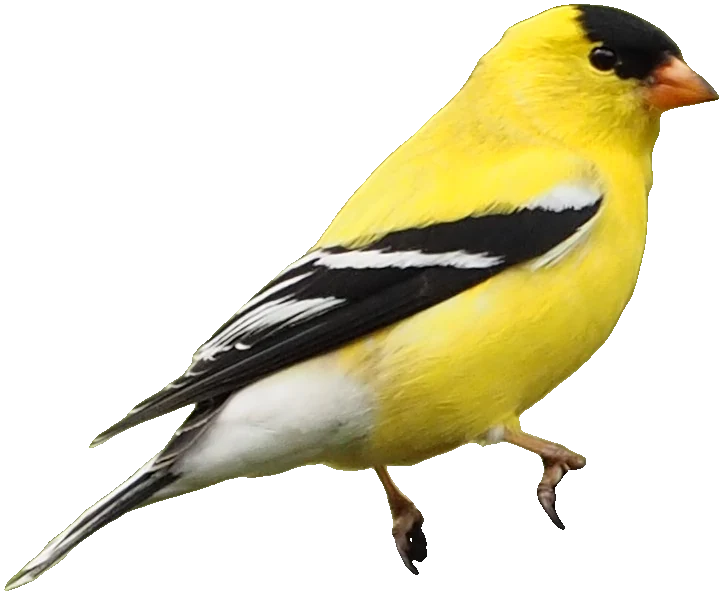 American GoldfinchBackyard
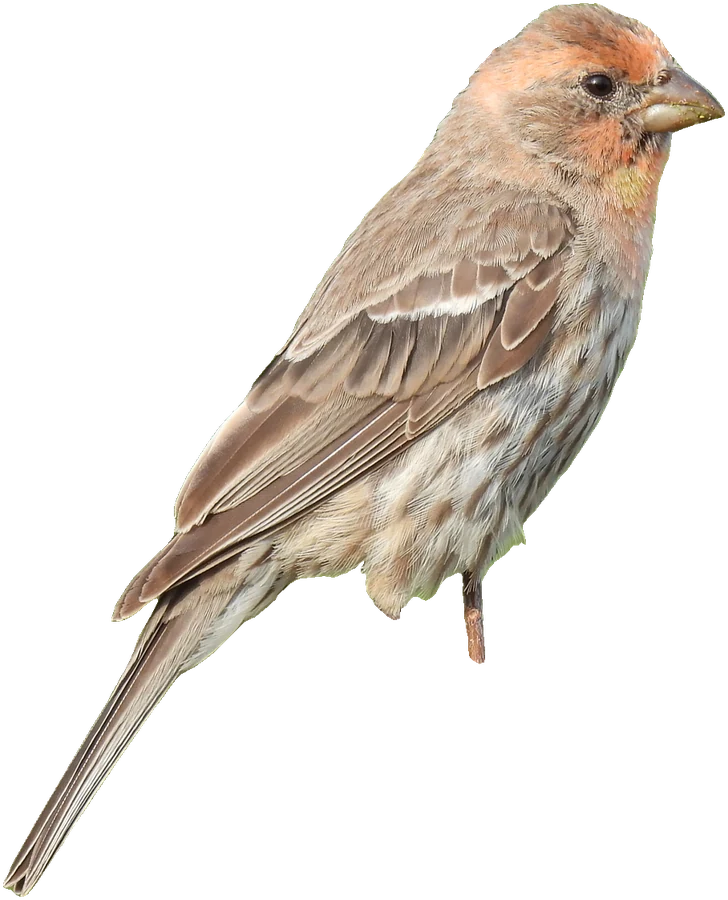 House FinchBackyard
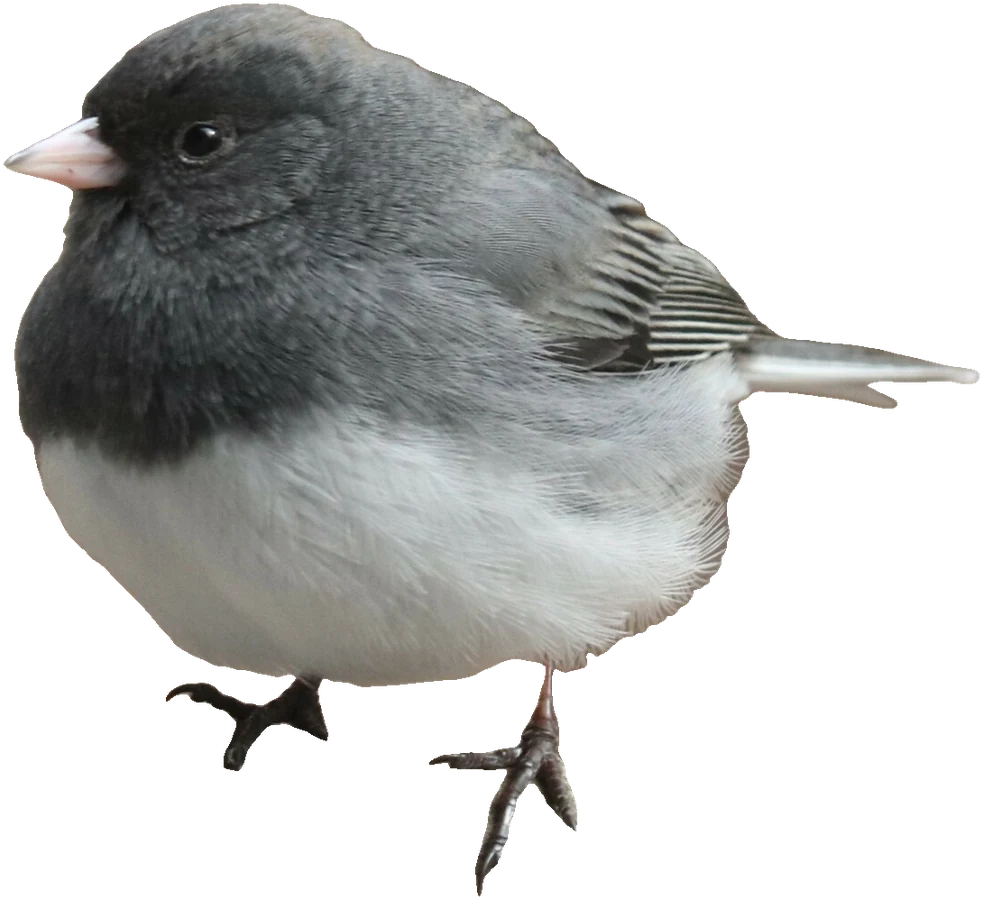 Dark-eyed JuncoBackyard
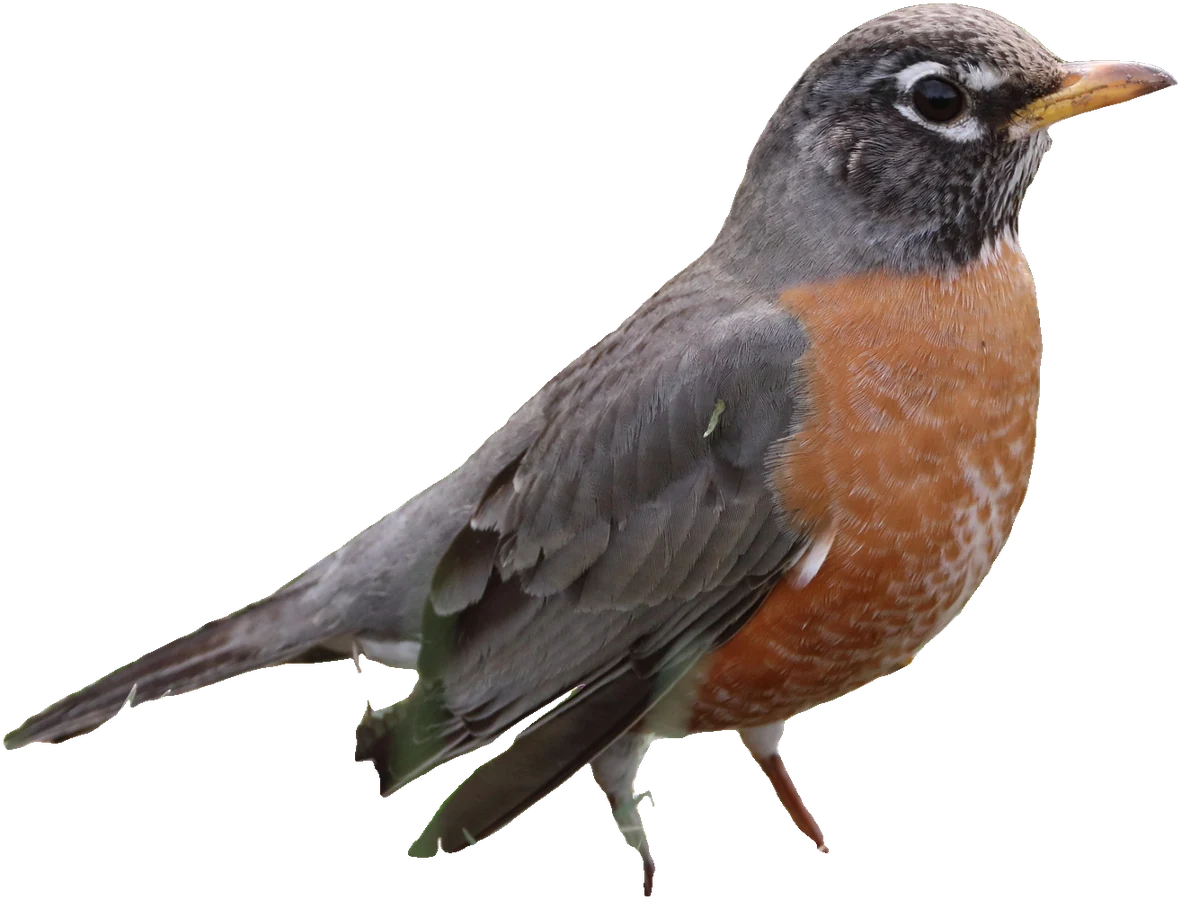 American RobinBackyard
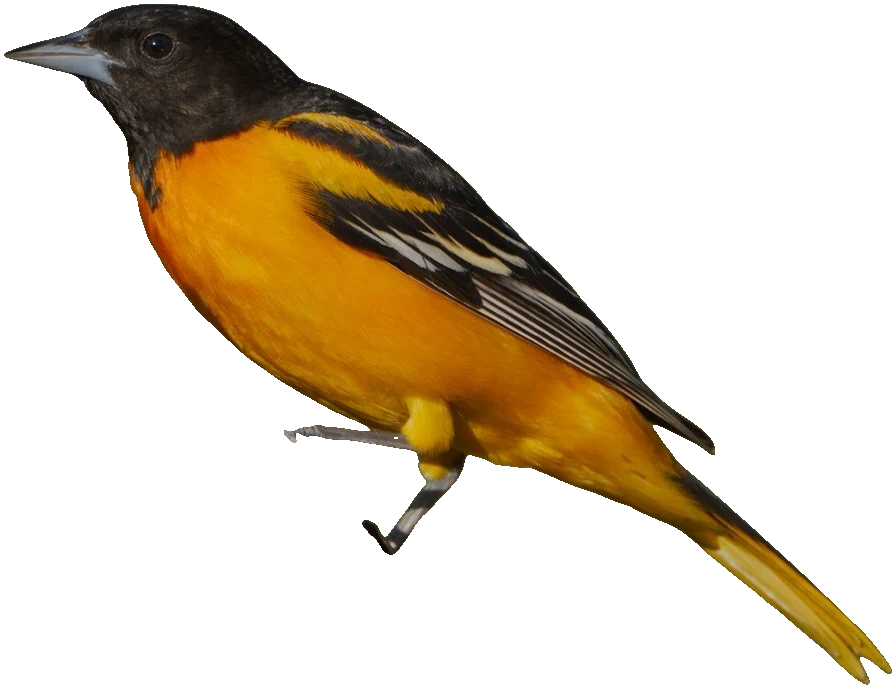 Baltimore OrioleBackyard
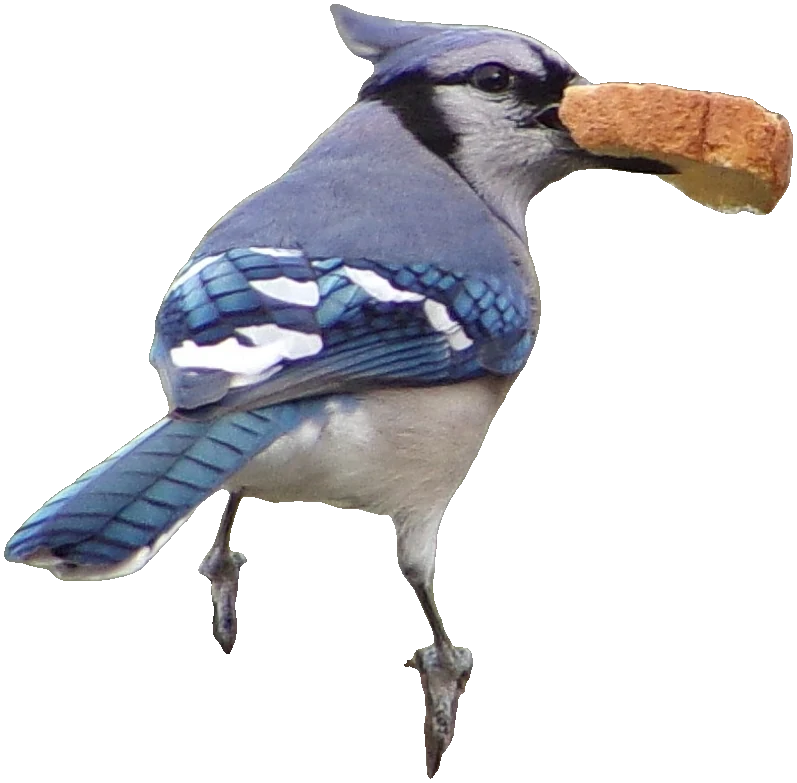 Blue JayBackyard
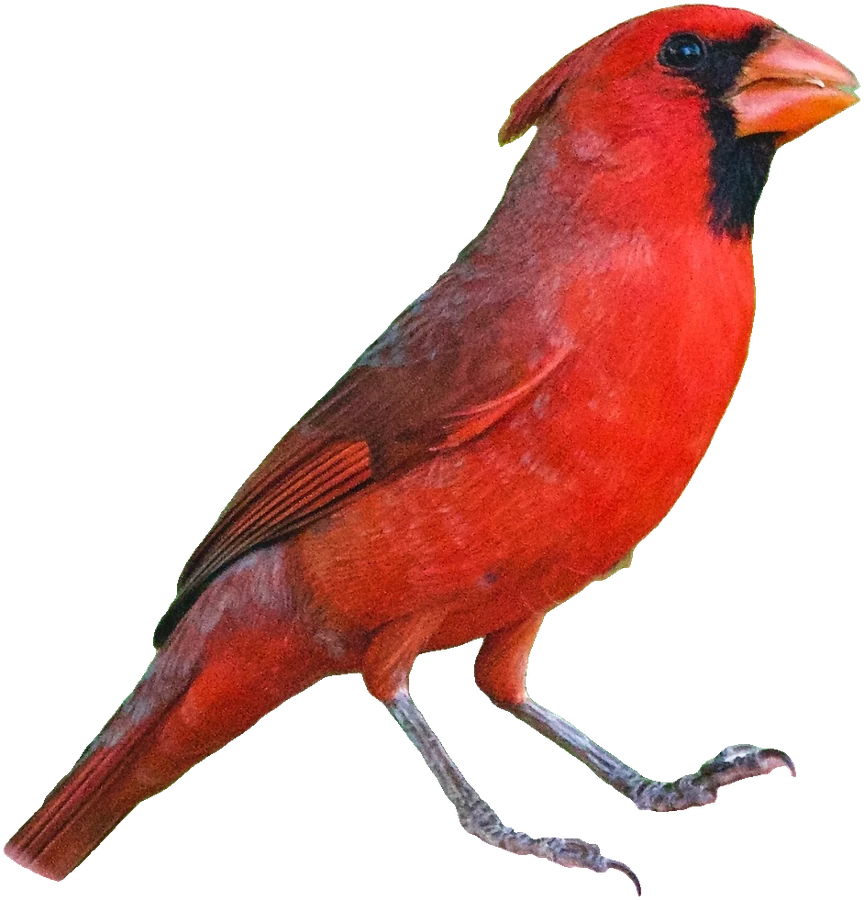 Northern CardinalBackyard
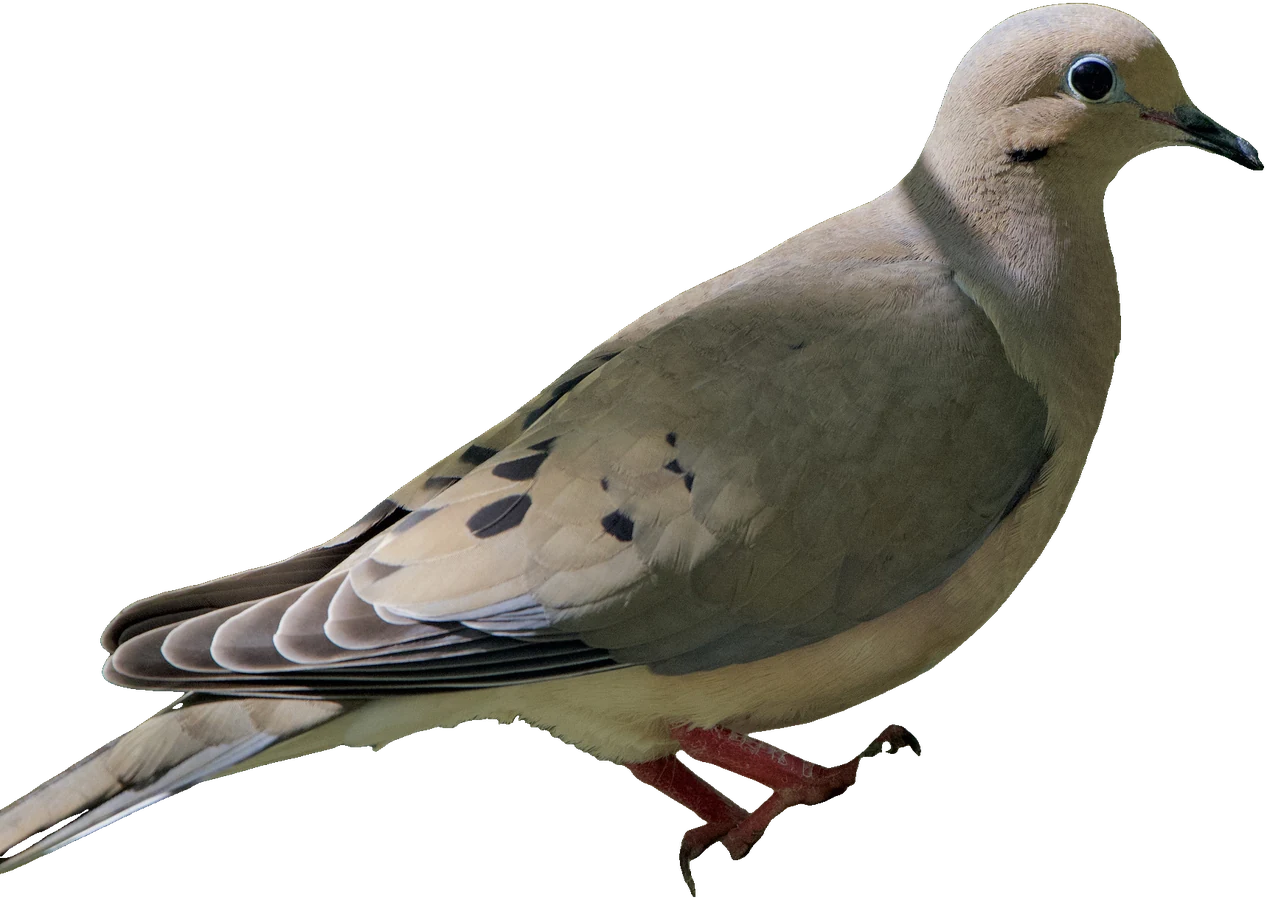 Mourning DoveBackyard
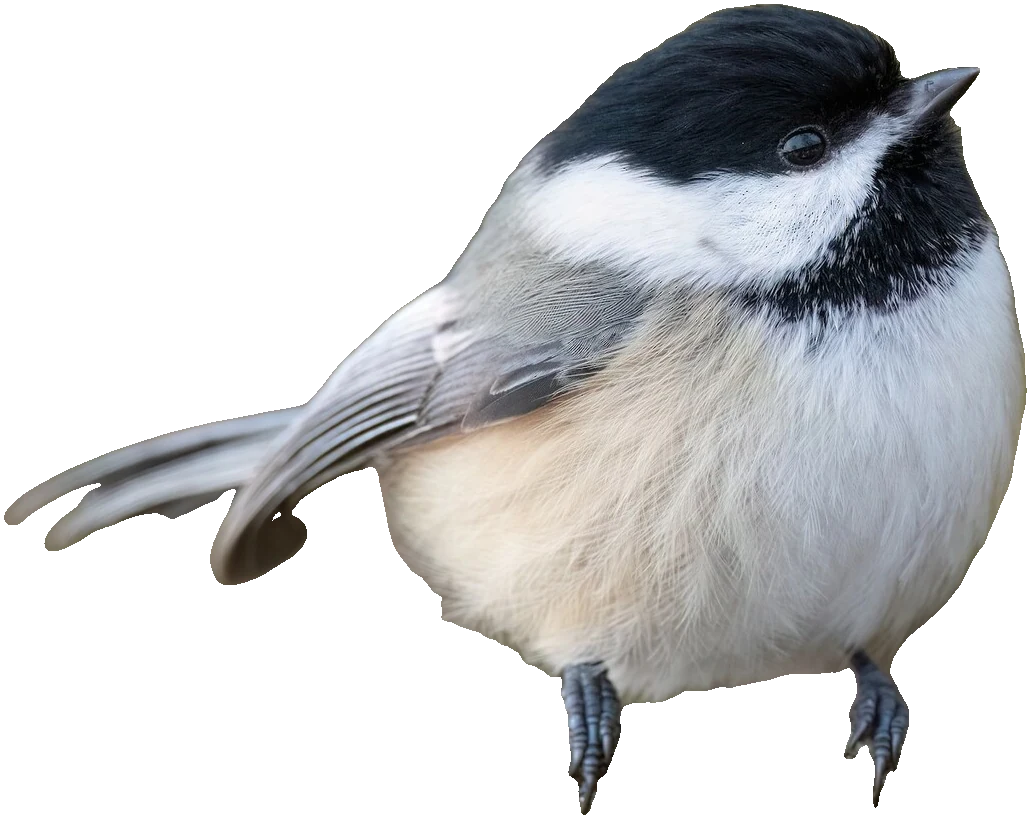 Black-capped ChickadeeBackyard
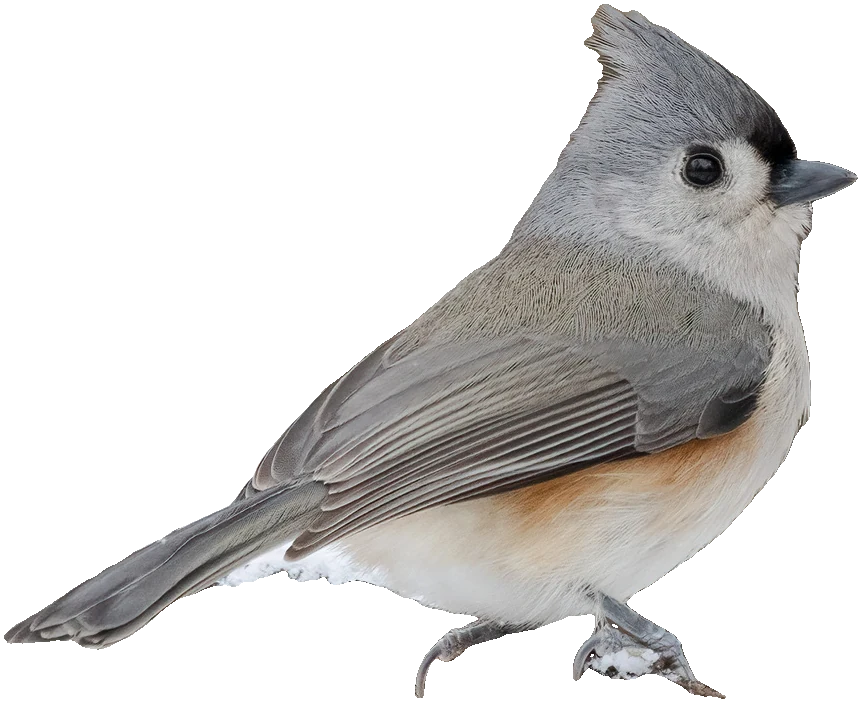 Tufted TitmouseBackyard
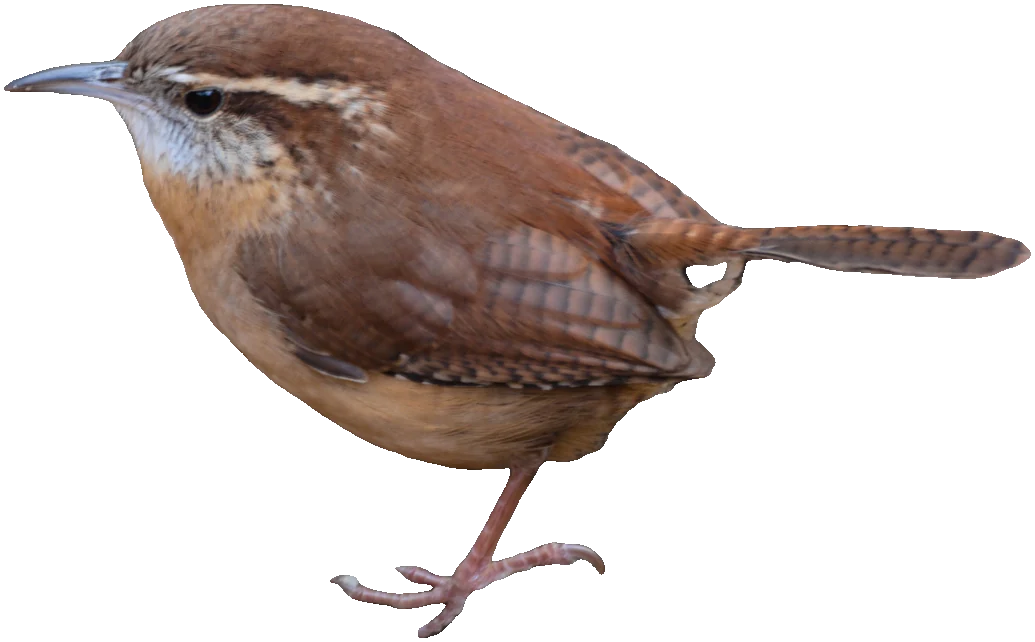 Carolina WrenBackyard
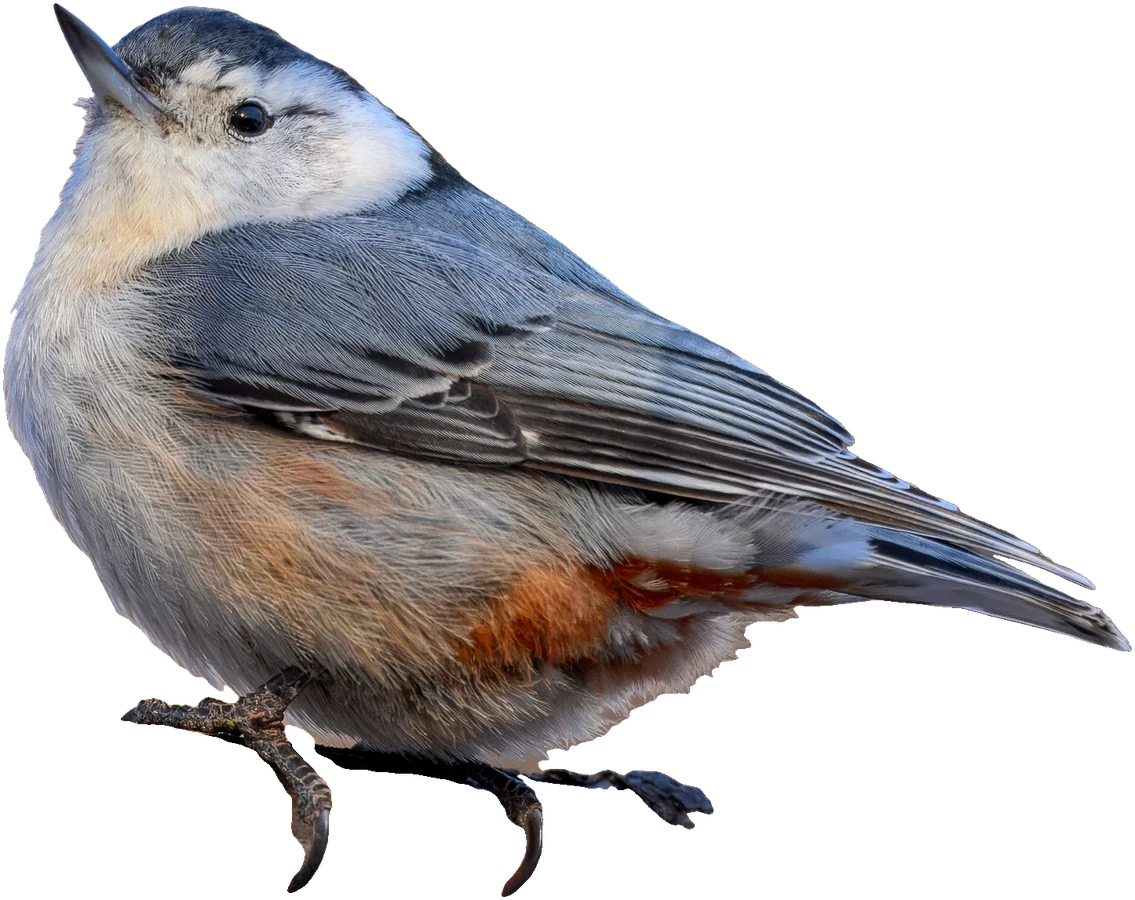 White-breasted NuthatchBackyard
Plant a garden in the game
Plant native plants in each habitat, wait for them to grow and see who moves in.