 Meadow & Feather
Look-alike birds and how to tell them apart
Updated
Every bird page in our field guide lists the birds it is easy to confuse with. Here are 30 of those pairs on one page, picked from every habitat in the game and grouped by habitat.
Each line says how the second bird differs from the first. When both birds are in our field guide, you get both directions, so you can check a bird whichever one you think it is. Every line comes from the bird's own page, where its sources are listed.
Pair of the month: November
Anna's Hummingbird or Costa's Hummingbird?
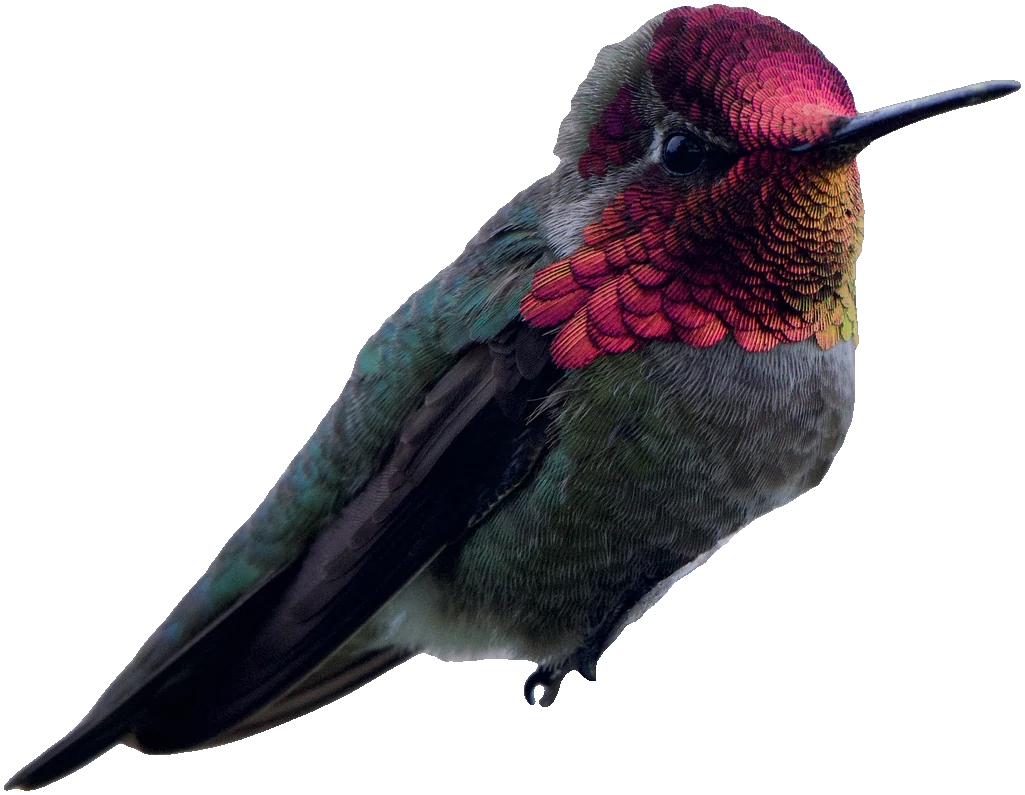
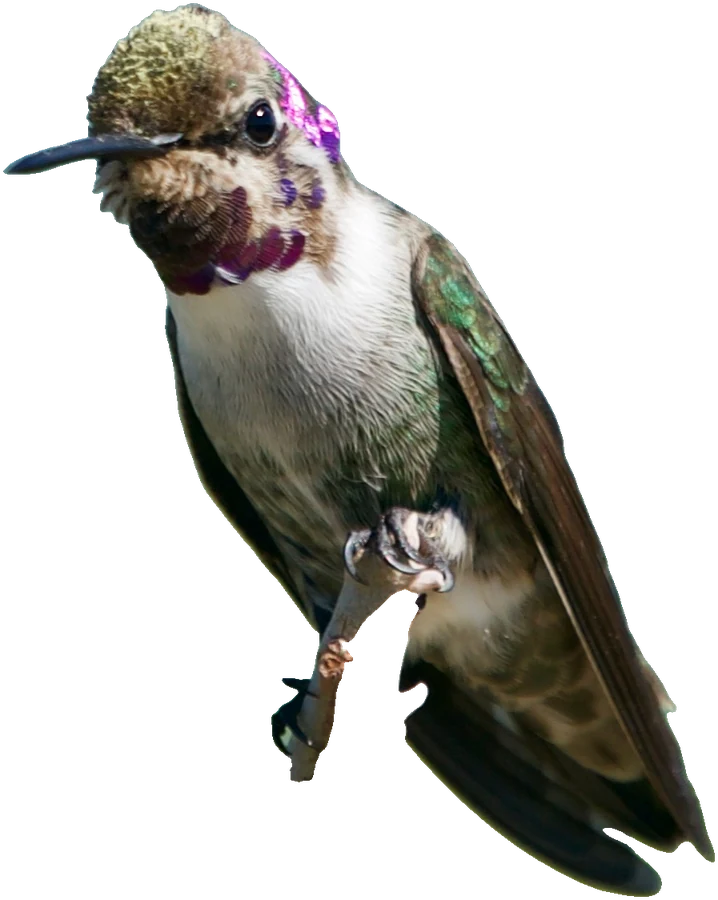
Costa's Hummingbird, compared with the Anna's Hummingbird: Smaller, with a purple crown and a purple gorget that flares down at the sides.
Anna's Hummingbird, compared with the Costa's Hummingbird: Larger, with a longer bill and tail; female Costa's is smaller with a paler belly.
More on the Anna's Hummingbird page and the Costa's Hummingbird page.
Backyard Eastern North America
Downy Woodpecker or Hairy Woodpecker?
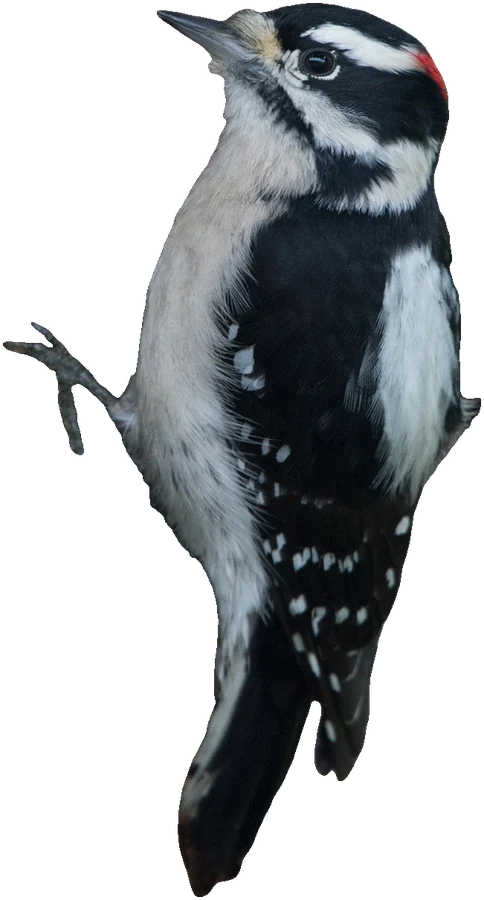
Hairy Woodpecker, compared with the Downy Woodpecker: Bigger, with a bill about as long as its head (the Downy's is much shorter) and no black spots on the white outer tail feathers.
More on the Downy Woodpecker page.
Northern Cardinal or Pyrrhuloxia?
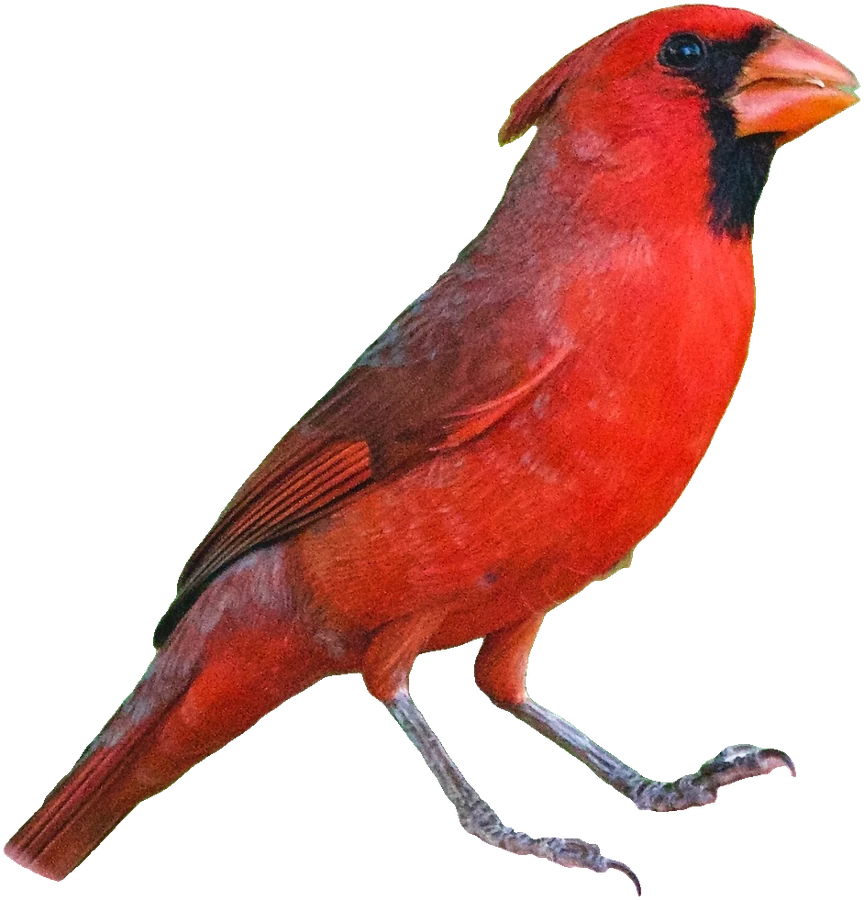
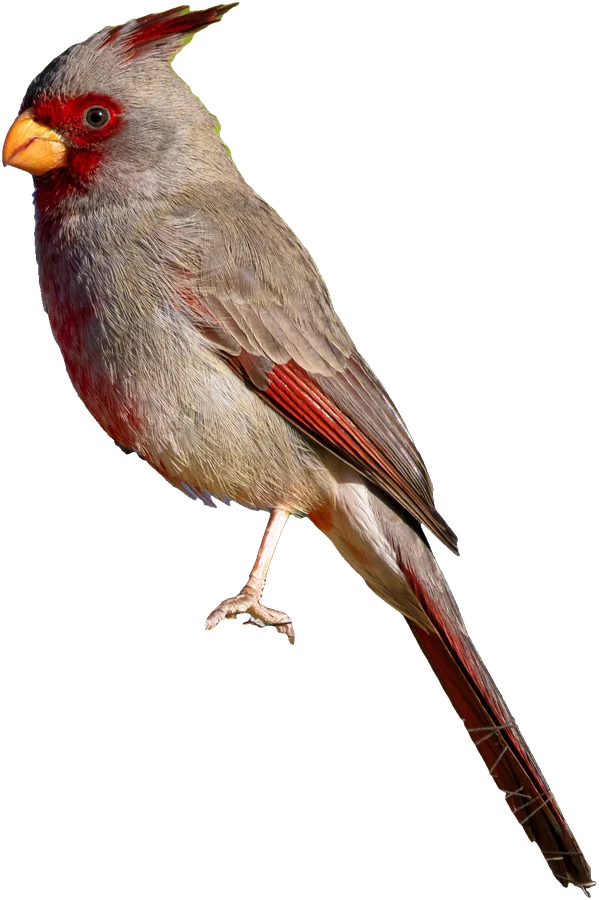
Pyrrhuloxia, compared with the Northern Cardinal: Gray body with red trim and a stubby yellow bill; found in the desert Southwest.
Northern Cardinal, compared with the Pyrrhuloxia: Female cardinal is brownish with a straight-sided orange-red bill; Pyrrhuloxia has a stubby, curved, dull yellow bill.
More on the Northern Cardinal page and the Pyrrhuloxia page.
House Finch or Purple Finch?
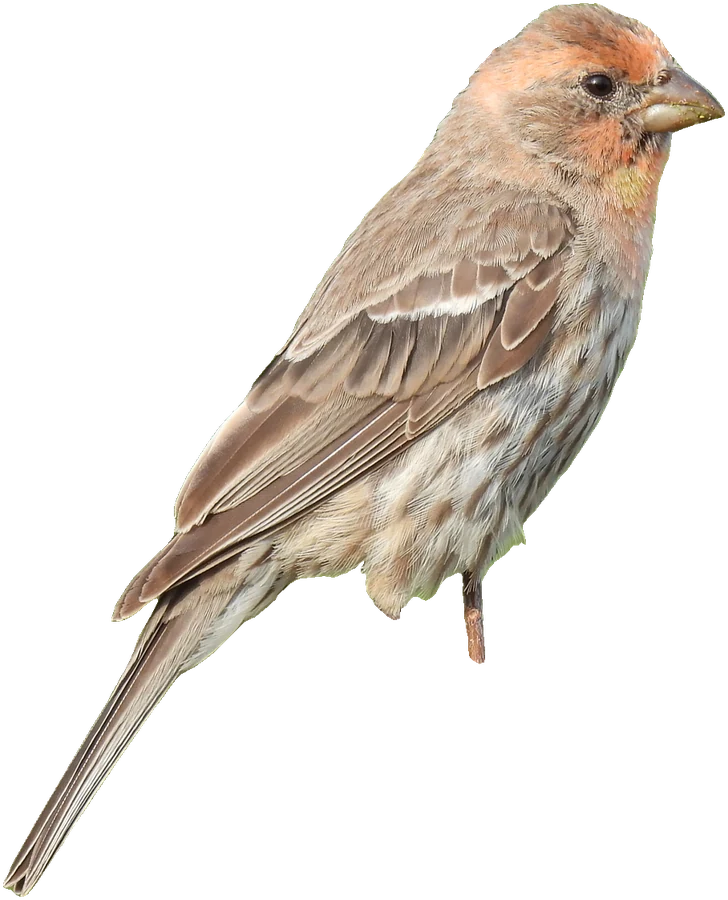
Purple Finch, compared with the House Finch: Male washed raspberry red over the head and back, with unstreaked sides; House Finch males have streaked flanks.
More on the House Finch page.
American Goldfinch or Pine Siskin?
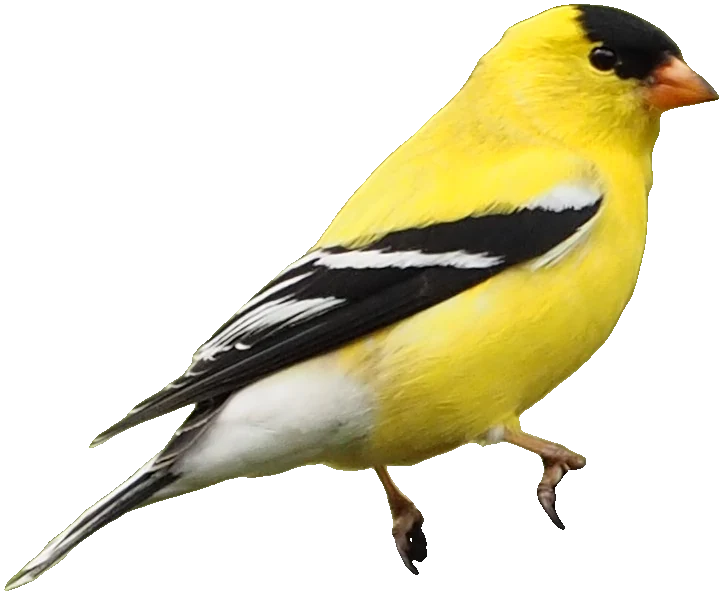
Pine Siskin, compared with the American Goldfinch: Brown and heavily streaked, with yellow edges in the wings; winter goldfinches are unstreaked.
More on the American Goldfinch page.
Black-capped Chickadee or Carolina Chickadee?
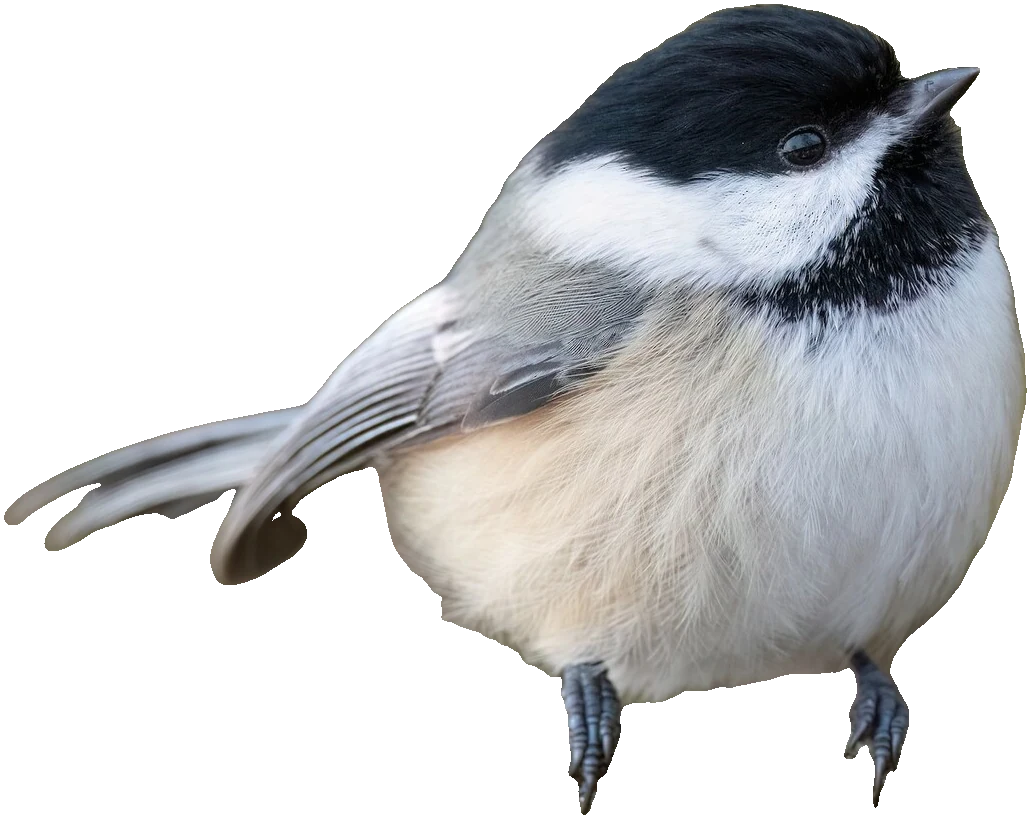
Carolina Chickadee, compared with the Black-capped Chickadee: Less white edging in the wing, and a faster, higher-pitched "chick-a-dee" call; southeastern.
More on the Black-capped Chickadee page.
Blue Jay or Steller's Jay?
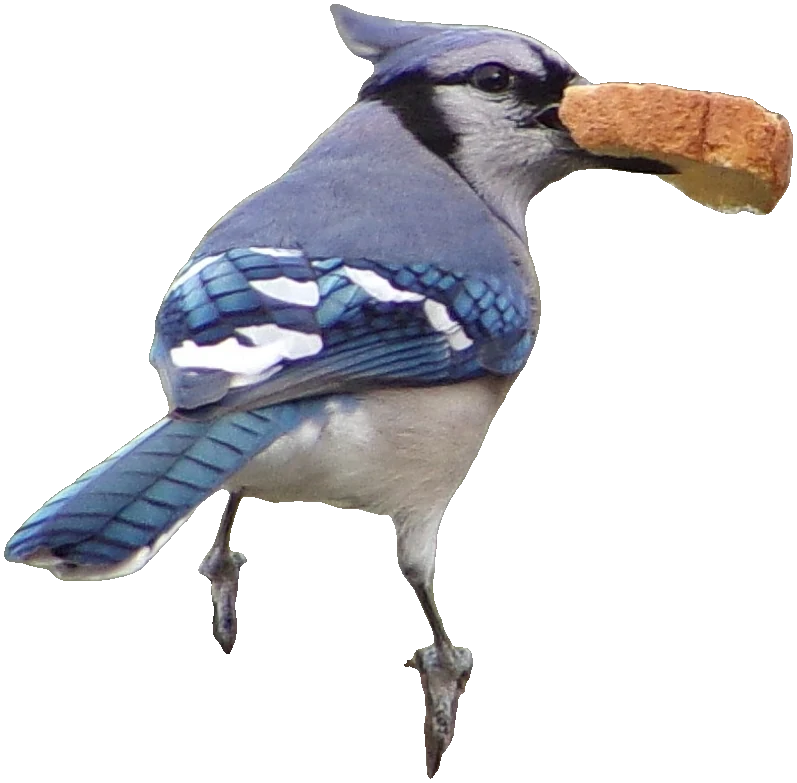
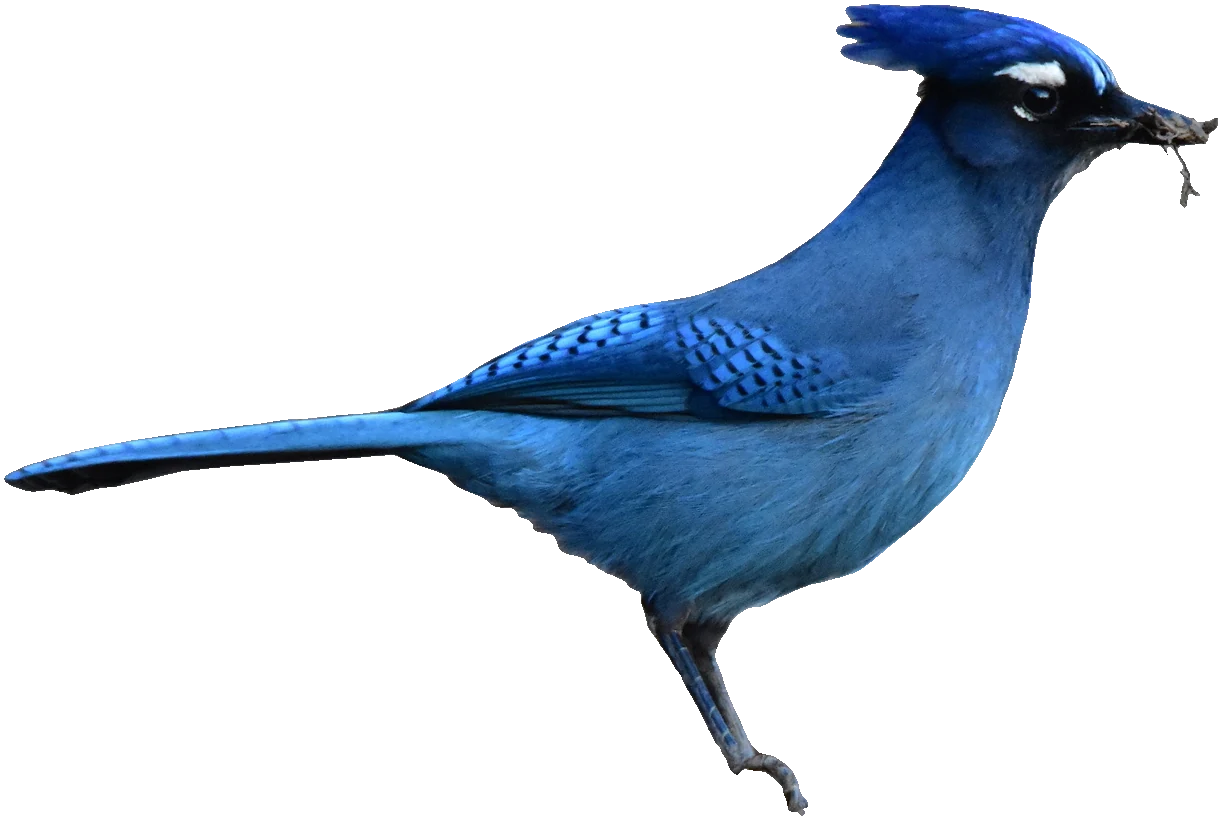
Steller's Jay, compared with the Blue Jay: Dark blackish front half and crest, with no white in the wings or tail.
Blue Jay, compared with the Steller's Jay: White underparts, white wing bars and a black necklace; Steller's is dark all over.
More on the Blue Jay page and the Steller's Jay page.
American Robin or Varied Thrush?
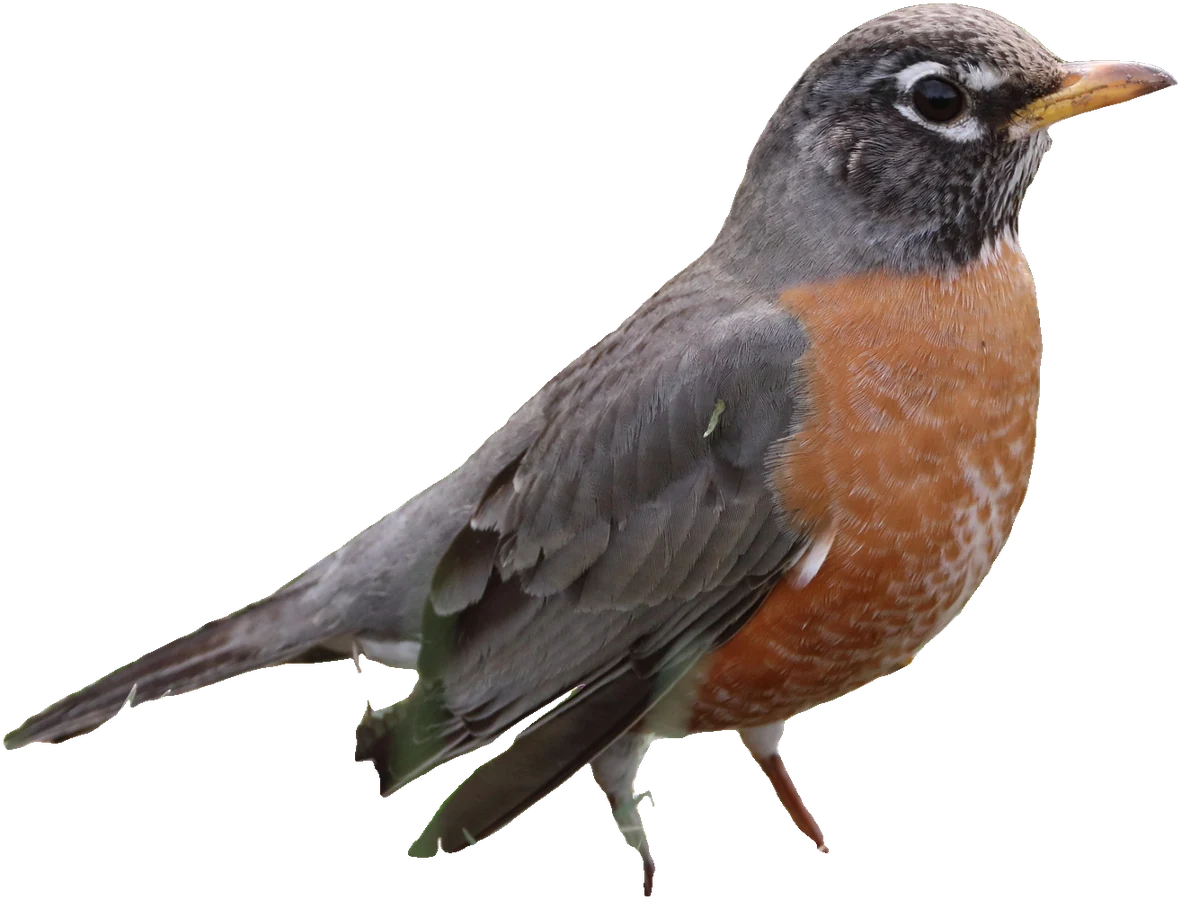
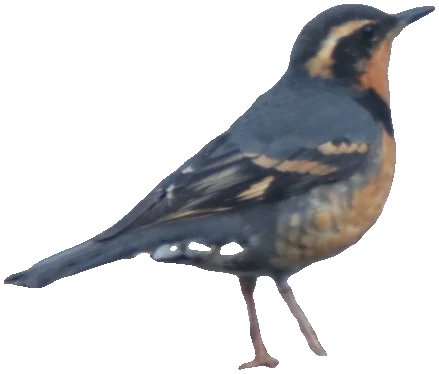
Varied Thrush, compared with the American Robin: Orange eyebrow and orange wing bars, with a dark band across the breast; western.
American Robin, compared with the Varied Thrush: No black breast band and no orange eyebrow or orange wing bars.
More on the American Robin page and the Varied Thrush page.
White-breasted Nuthatch or Red-breasted Nuthatch?
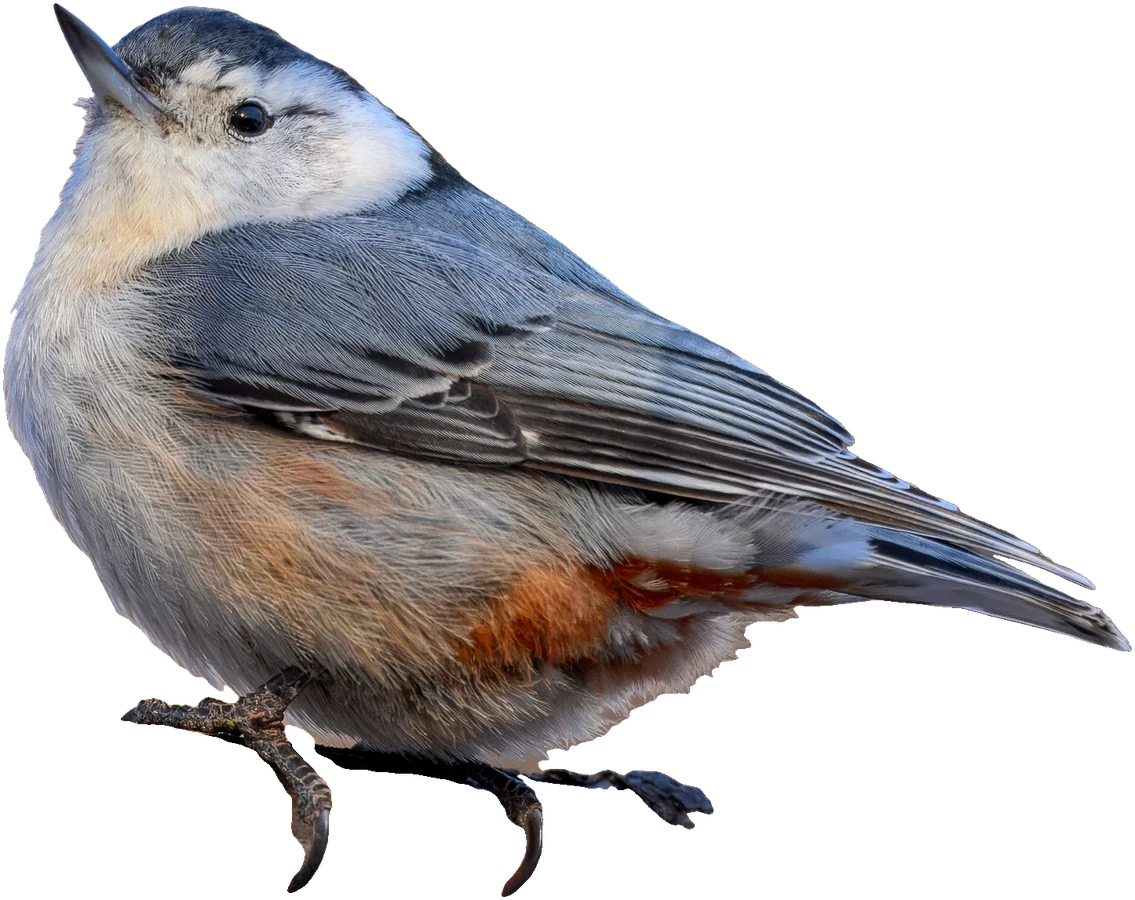
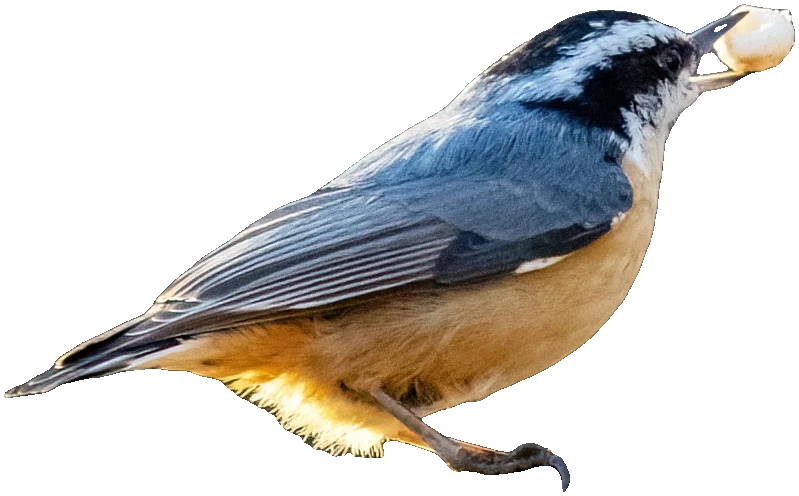
Red-breasted Nuthatch, compared with the White-breasted Nuthatch: Smaller, with a black stripe through the eye and rusty underparts.
White-breasted Nuthatch, compared with the Red-breasted Nuthatch: Larger, with an all-white face and belly and no black eye stripe.
More on the White-breasted Nuthatch page and the Red-breasted Nuthatch page.
Mourning Dove or Eurasian Collared-Dove?
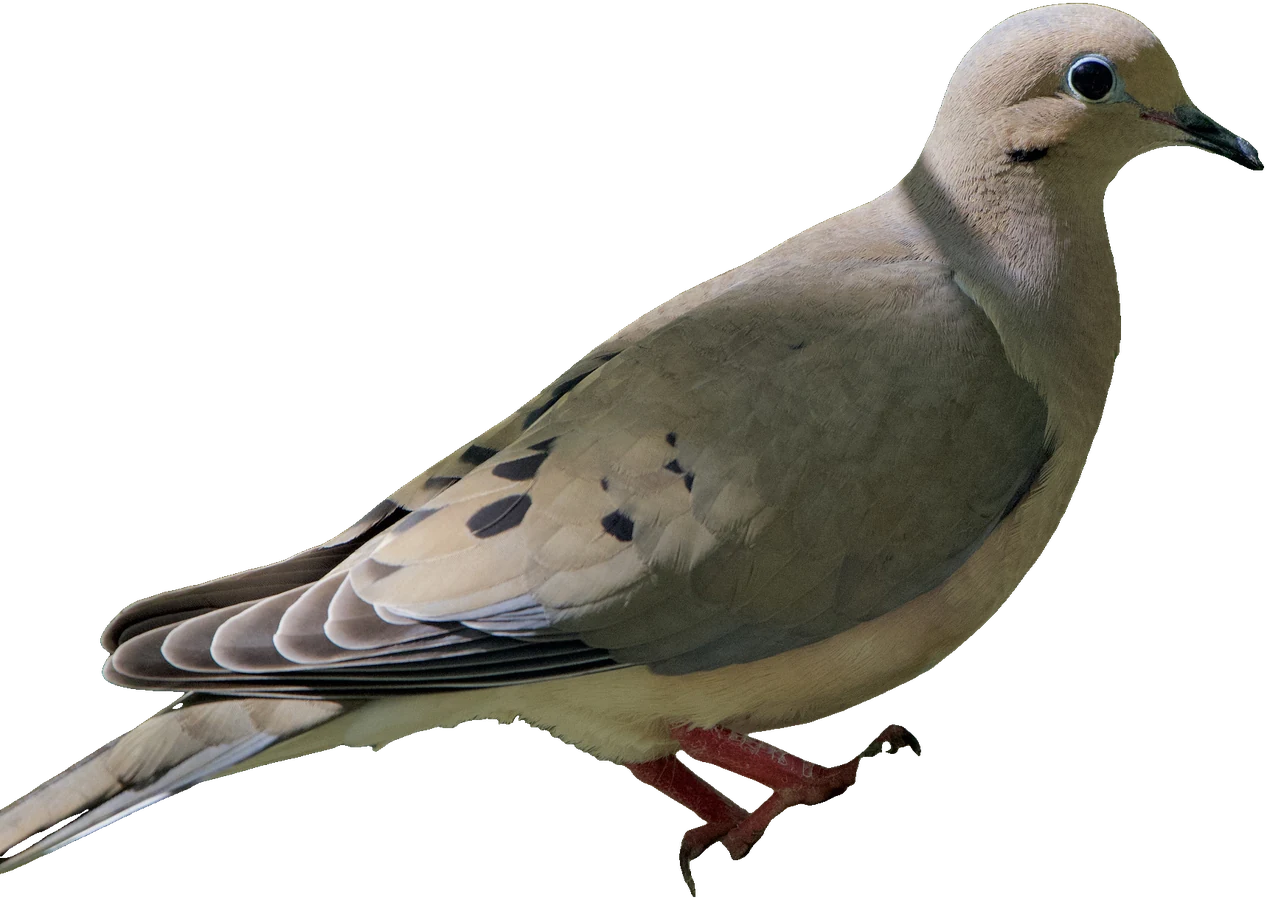
Eurasian Collared-Dove, compared with the Mourning Dove: Larger and paler, with a black half collar and a square tail.
More on the Mourning Dove page.
Baltimore Oriole or Orchard Oriole?
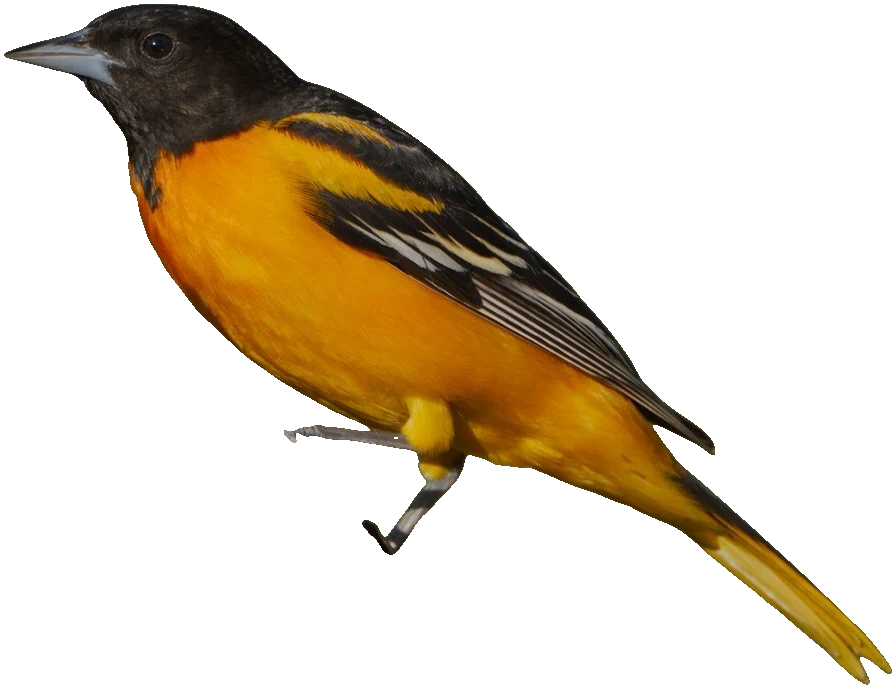
Orchard Oriole, compared with the Baltimore Oriole: Smaller; adult male is dark chestnut and black, not flame orange.
More on the Baltimore Oriole page.
Barred Owl or Great Horned Owl?
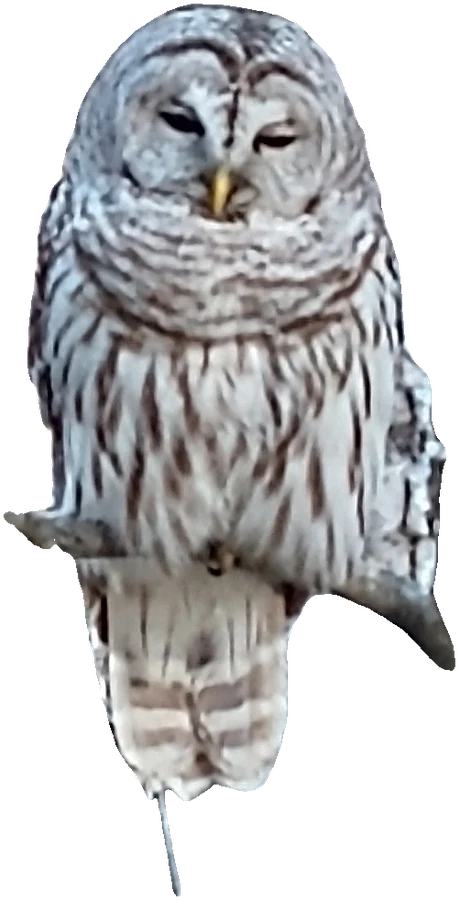
Great Horned Owl, compared with the Barred Owl: Large ear tufts and yellow eyes; Barred Owl has a round head and dark eyes.
More on the Barred Owl page.
Northwest forest Pacific Northwest, Washington State
Chestnut-backed Chickadee or Black-capped Chickadee?
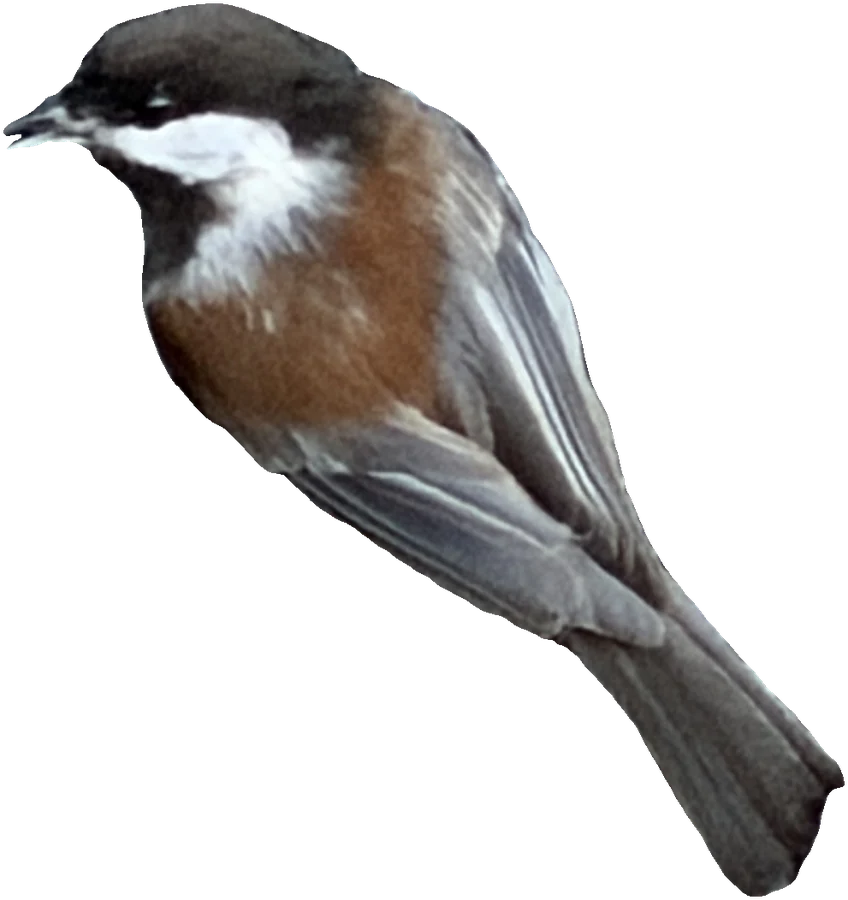
Black-capped Chickadee, compared with the Chestnut-backed Chickadee: Gray back and buffy sides instead of rich chestnut, and a clear whistled song.
More on the Chestnut-backed Chickadee page and the Black-capped Chickadee page.
Golden-crowned Kinglet or Ruby-crowned Kinglet?
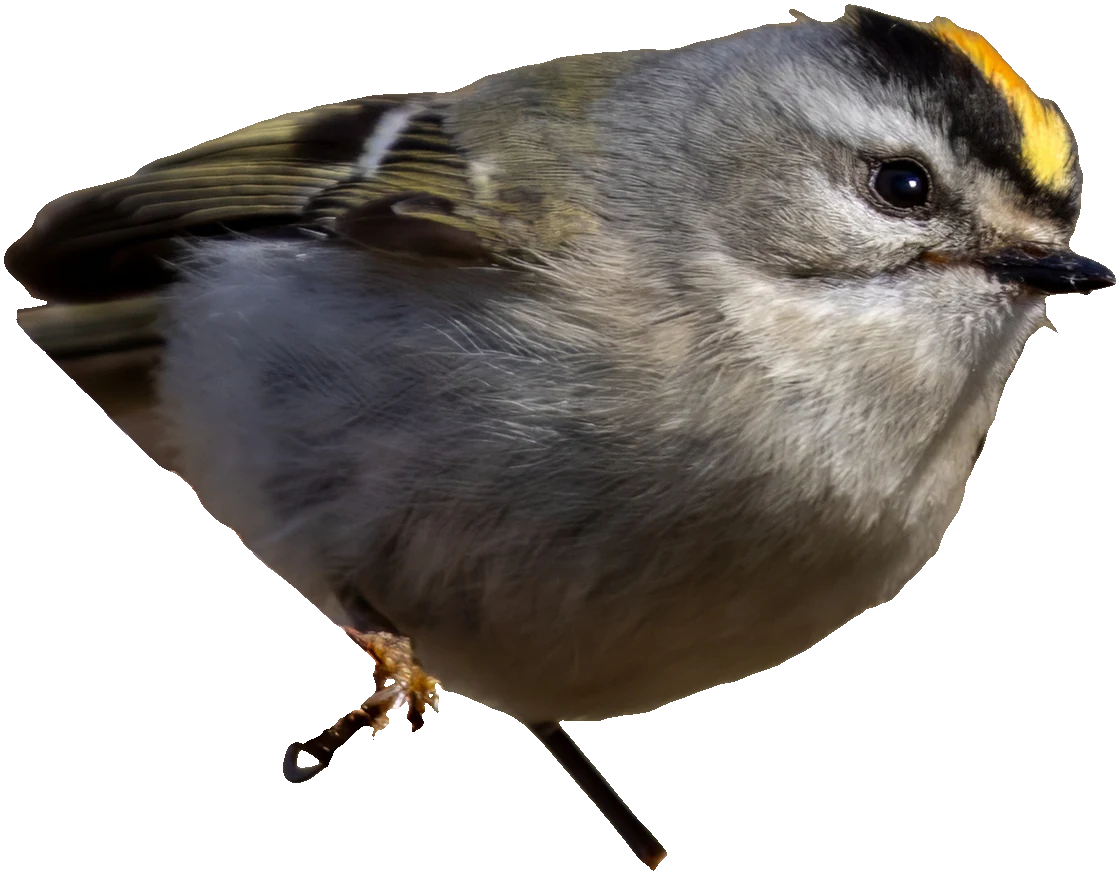
Ruby-crowned Kinglet, compared with the Golden-crowned Kinglet: Plain head with a broken white eye-ring and no black-and-white stripes; the red crown patch is usually hidden.
More on the Golden-crowned Kinglet page.
Anna's Hummingbird or Costa's Hummingbird?
Costa's Hummingbird, compared with the Anna's Hummingbird: Smaller, with a purple crown and a purple gorget that flares down at the sides.
Anna's Hummingbird, compared with the Costa's Hummingbird: Larger, with a longer bill and tail; female Costa's is smaller with a paler belly.
More on the Anna's Hummingbird page and the Costa's Hummingbird page.
Desert scrub Sonoran Desert, Arizona and Mexico
Gambel's Quail or California Quail?
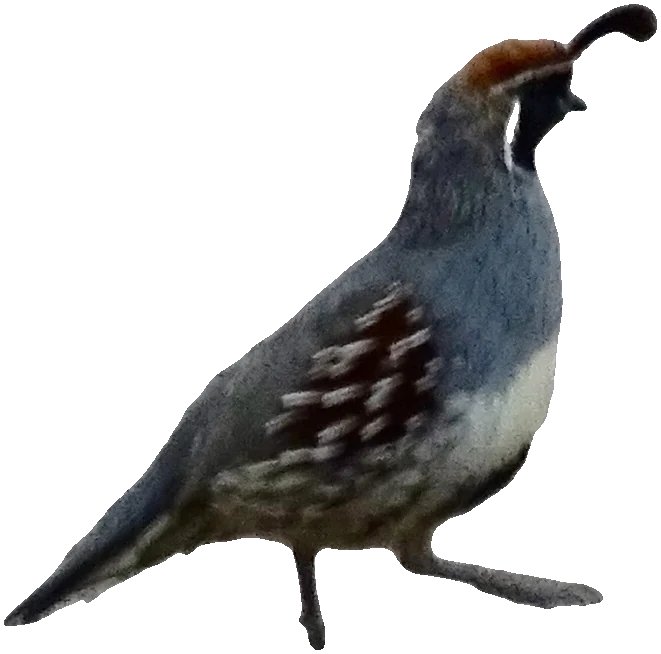
California Quail, compared with the Gambel's Quail: Scaly pattern on the belly, and males lack the black belly patch of a male Gambel's.
More on the Gambel's Quail page.
Curve-billed Thrasher or Bendire's Thrasher?
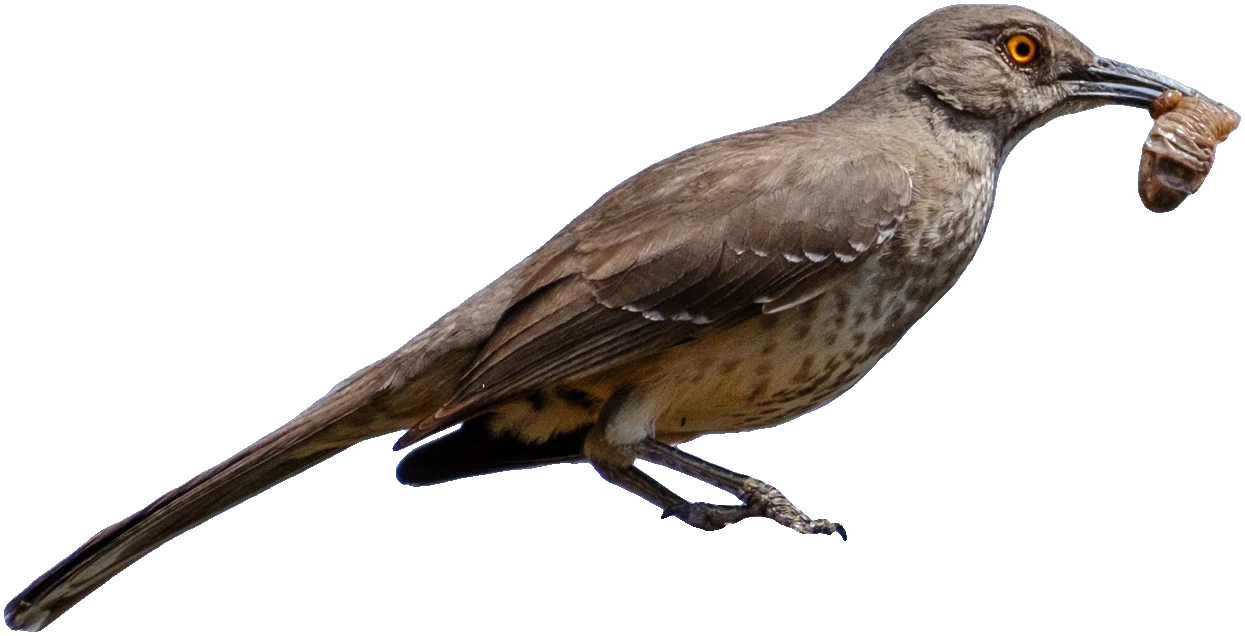
Bendire's Thrasher, compared with the Curve-billed Thrasher: Paler bill with a nearly straight lower edge, small arrowhead-shaped breast spots and usually yellow eyes.
More on the Curve-billed Thrasher page.
Lake and wetland North American lakes and marshes
Great Blue Heron or Great Egret?
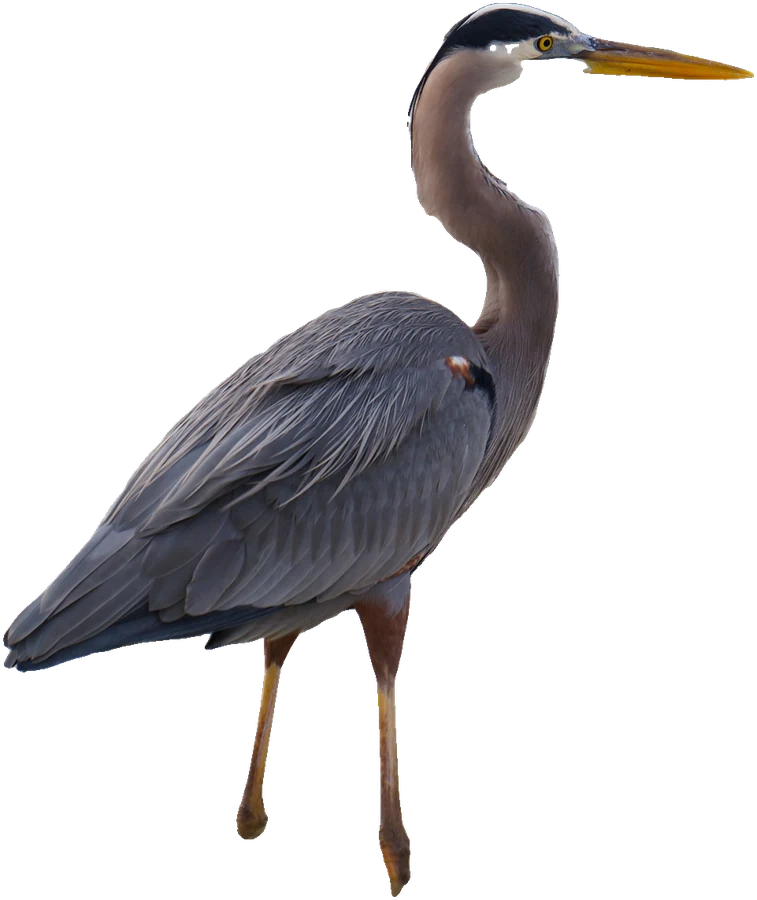
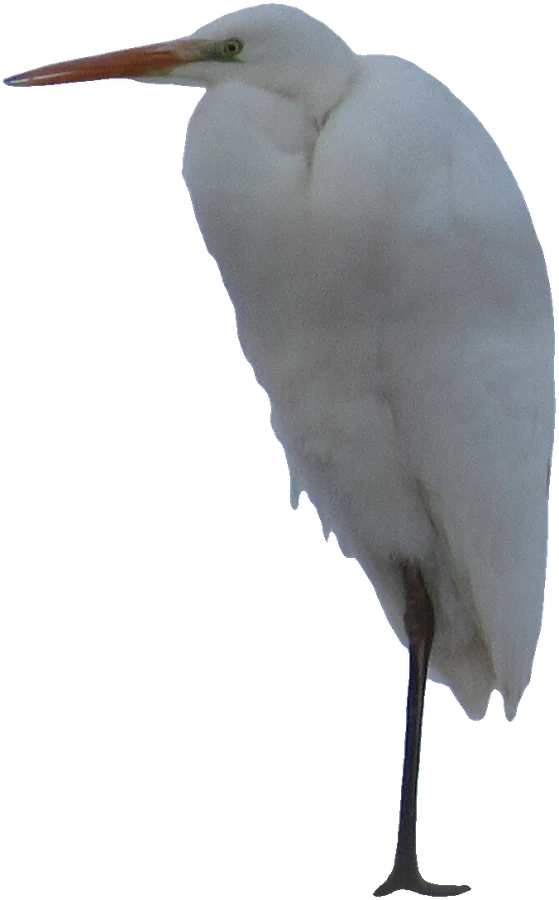
Great Egret, compared with the Great Blue Heron: All white with black legs; the white form of the Great Blue Heron is bigger with paler, yellowish legs.
Great Blue Heron, compared with the Great Egret: Bigger and heavier, with pale yellowish legs instead of black.
More on the Great Blue Heron page and the Great Egret page.
Great Egret or Snowy Egret?
Snowy Egret, compared with the Great Egret: Smaller, with a black bill and bright yellow feet.
More on the Great Egret page.
Mallard or American Black Duck?
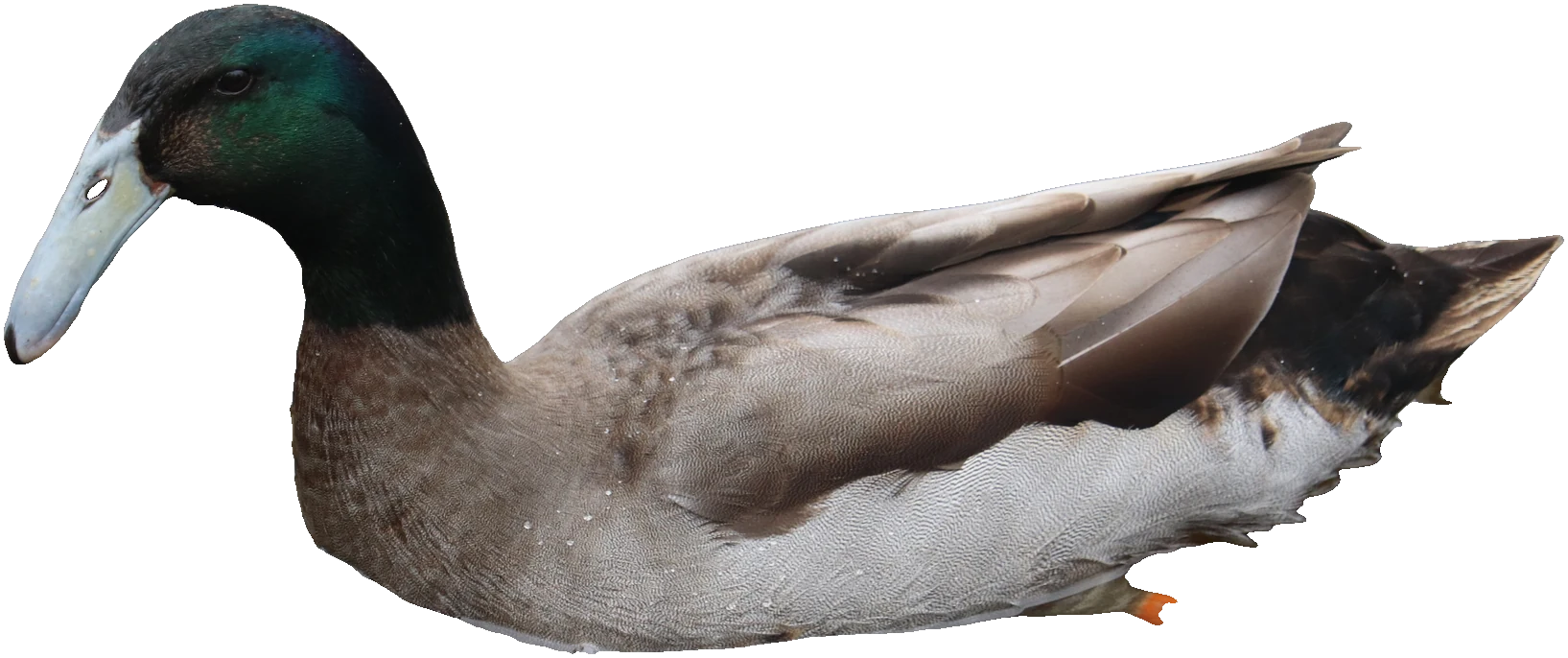
American Black Duck, compared with the Mallard: Much darker body than a female Mallard, and no white borders on the blue wing patch.
More on the Mallard page.
Wood Duck or Mandarin Duck?
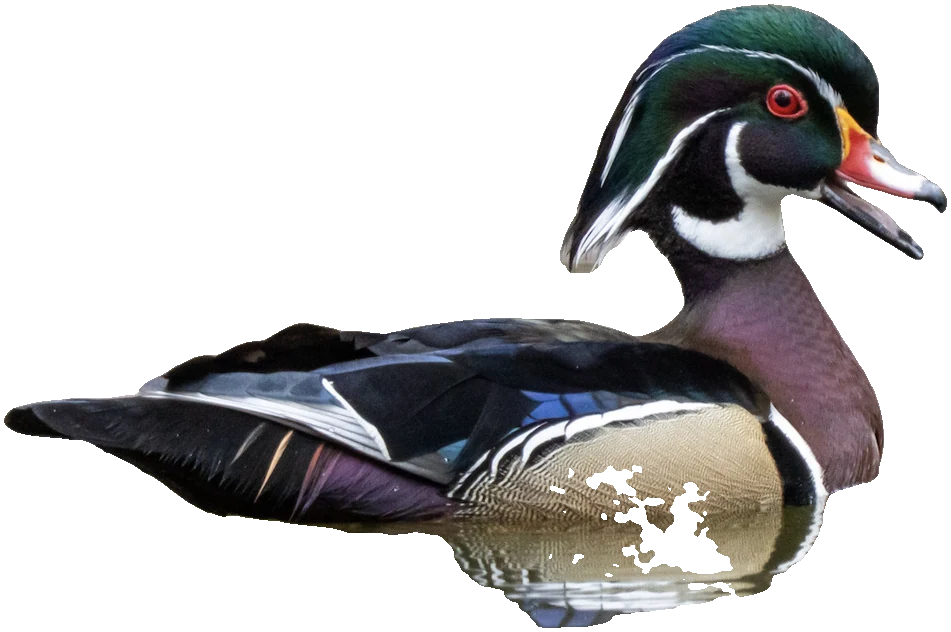
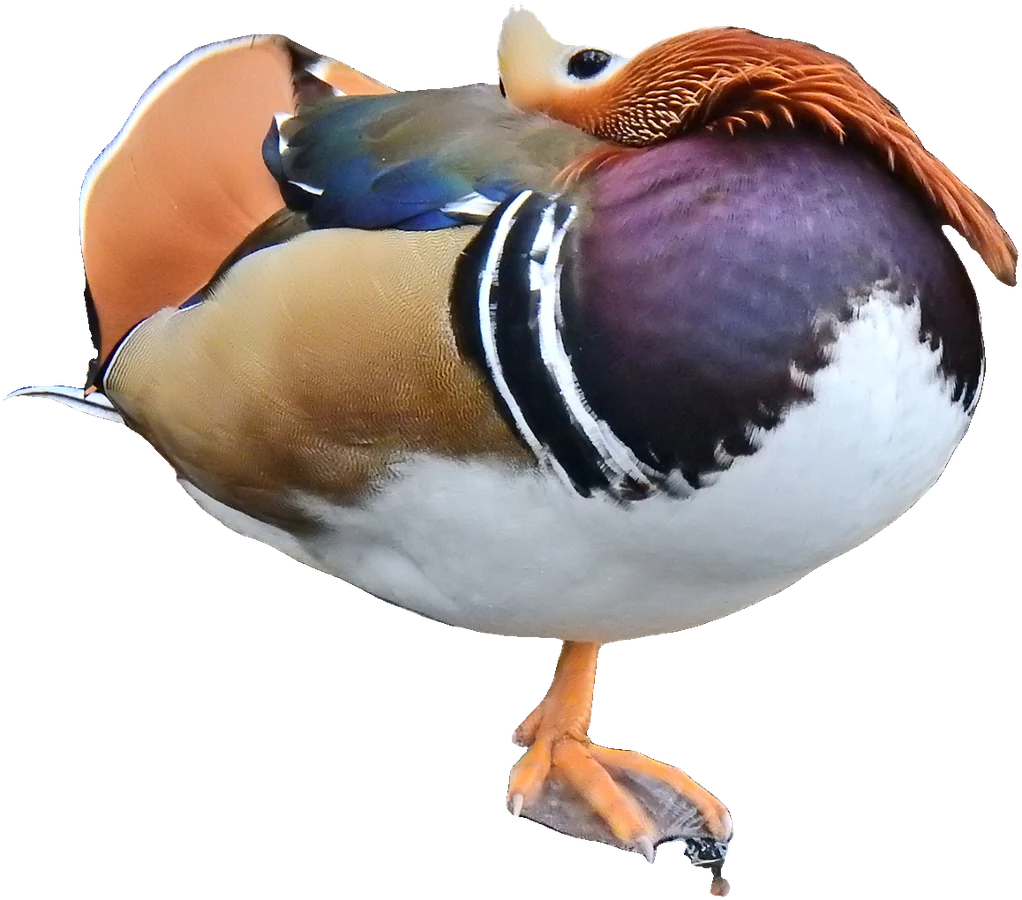
Mandarin Duck, compared with the Wood Duck: Escaped birds; male has orange sail-like feathers on the back and orange whiskers.
Wood Duck, compared with the Mandarin Duck: Female very similar; the female Mandarin has a thin white line running back from the eye ring and a paler grey head. Males have a green, crested head instead of orange sails.
More on the Wood Duck page and the Mandarin Duck page.
Sea cliffs North Atlantic coast, in summer
Razorbill or Common Murre?
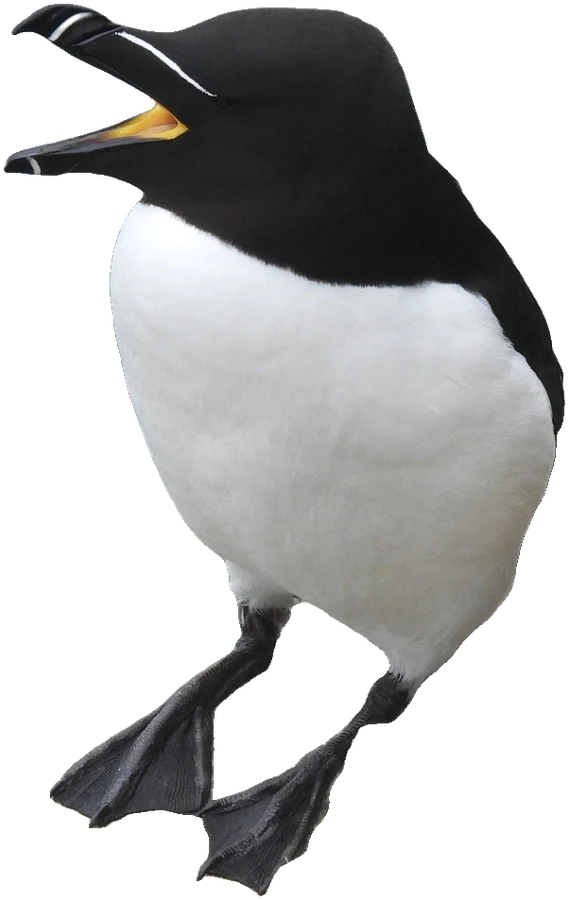
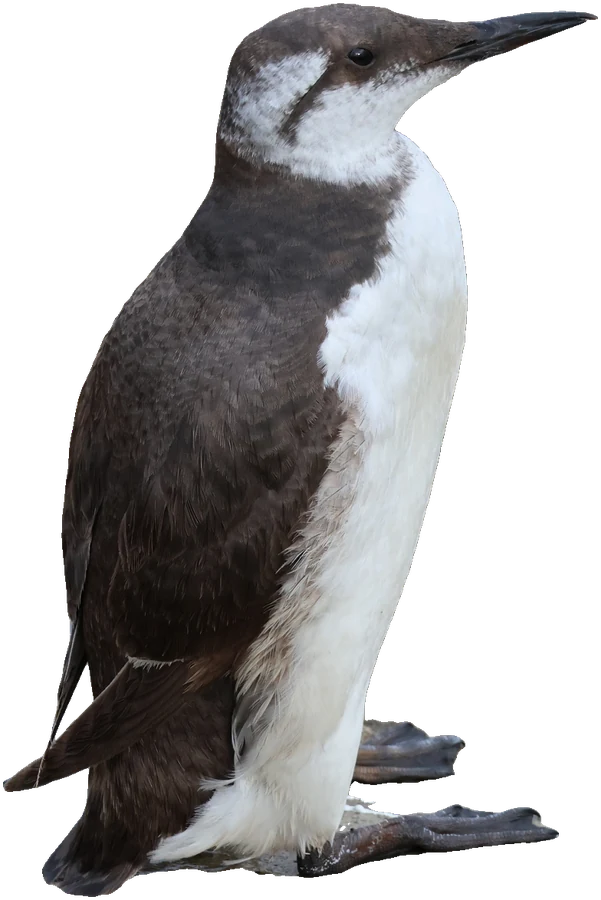
Common Murre, compared with the Razorbill: Thinner, pointed dagger bill with no white line, and browner upperparts.
Razorbill, compared with the Common Murre: Deep, blunt black bill crossed by a white line, and a longer pointed tail.
More on the Razorbill page and the Common Murre page.
Atlantic Puffin or Razorbill?
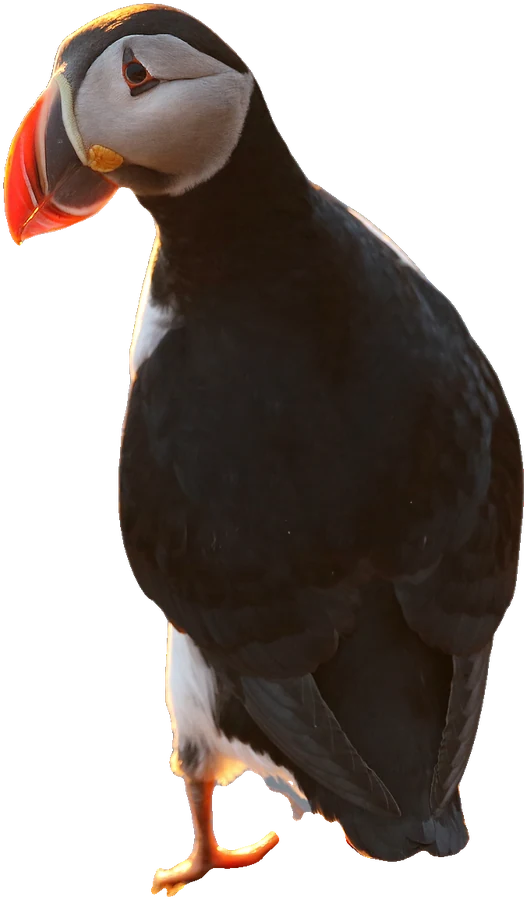
Razorbill, compared with the Atlantic Puffin: Larger, with a flat black bill crossed by a thin white line and no white face.
More on the Atlantic Puffin page and the Razorbill page.
Arctic Tern or Common Tern?
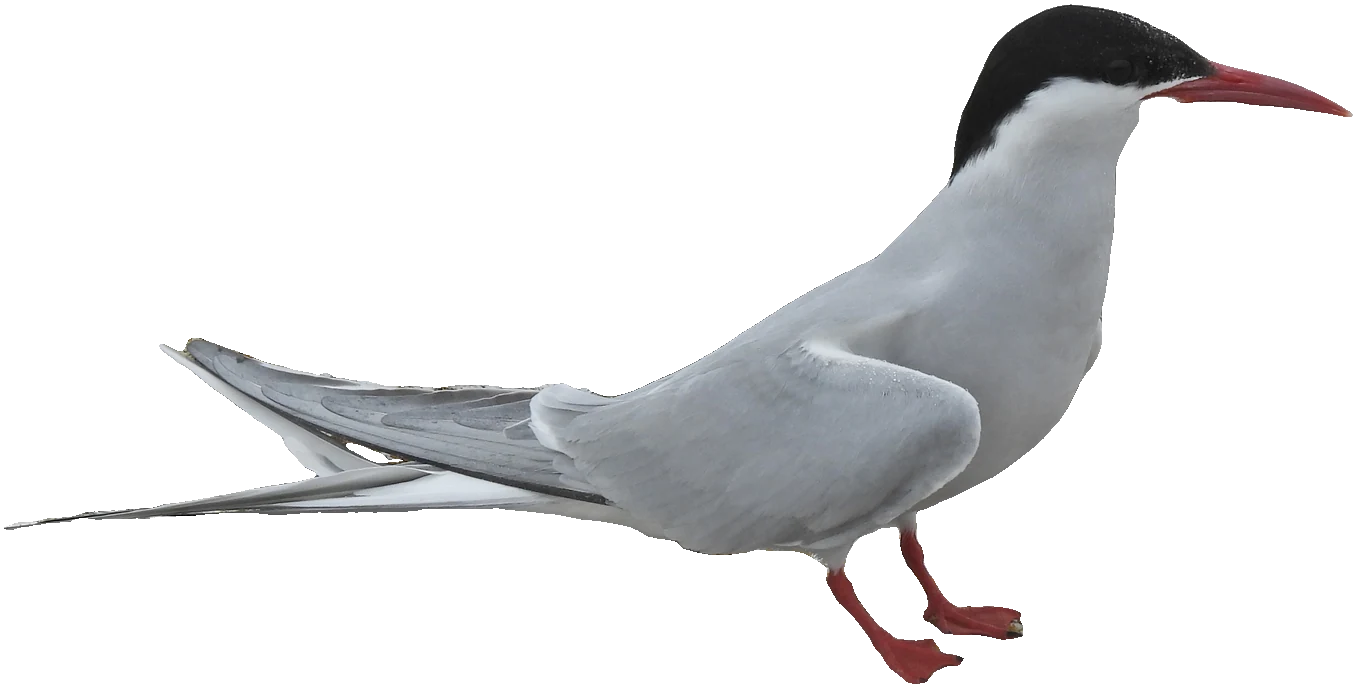
Common Tern, compared with the Arctic Tern: Longer orange bill with a black tip, longer legs and a dark wedge on the outer wing.
More on the Arctic Tern page.
Tropical rainforest Central and South America
Keel-billed Toucan or Collared Aracari?
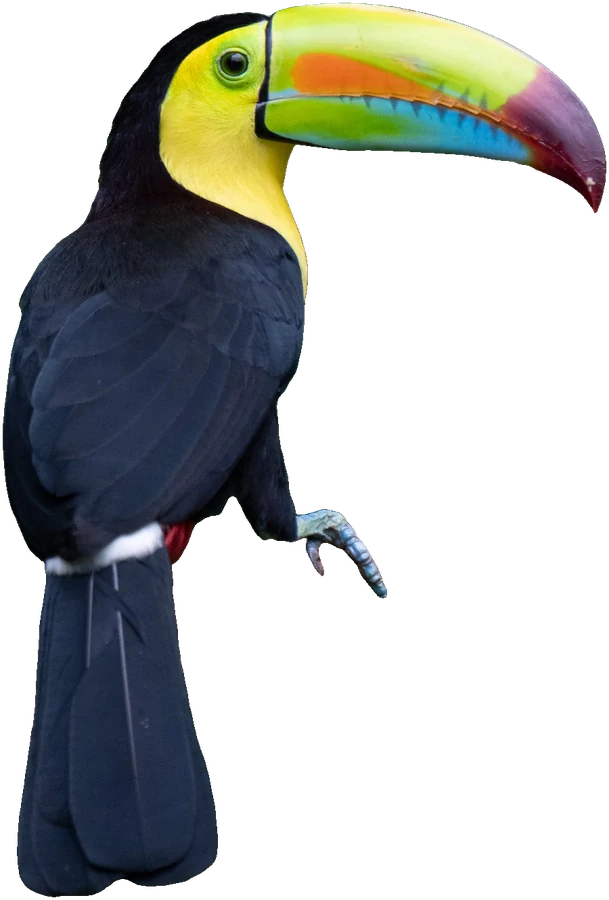
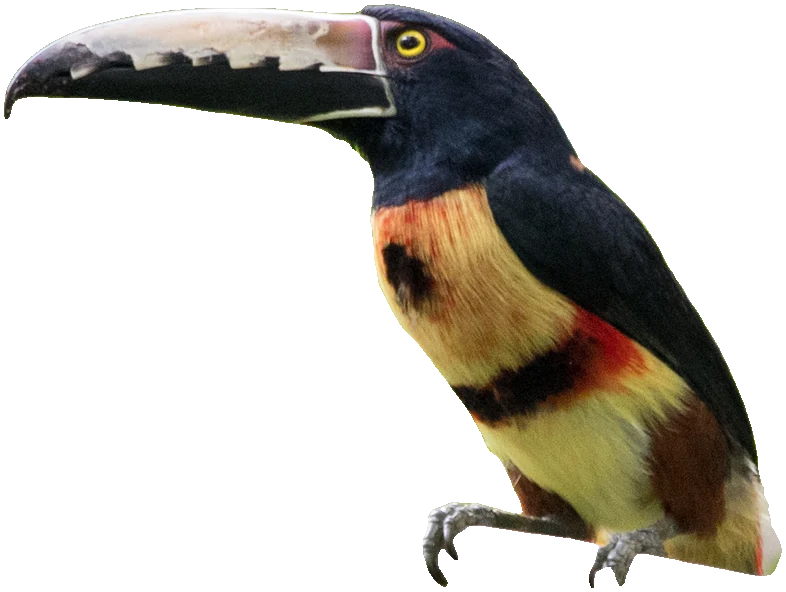
Collared Aracari, compared with the Keel-billed Toucan: Smaller and slimmer, with a red rump and a black spot and red-black band on the yellow belly.
Keel-billed Toucan, compared with the Collared Aracari: Much bigger, with a huge rainbow bill and a plain yellow bib, no red rump.
More on the Keel-billed Toucan page and the Collared Aracari page.
African savanna Southern and East Africa, at sunset
Southern Yellow-billed Hornbill or Southern Red-billed Hornbill?
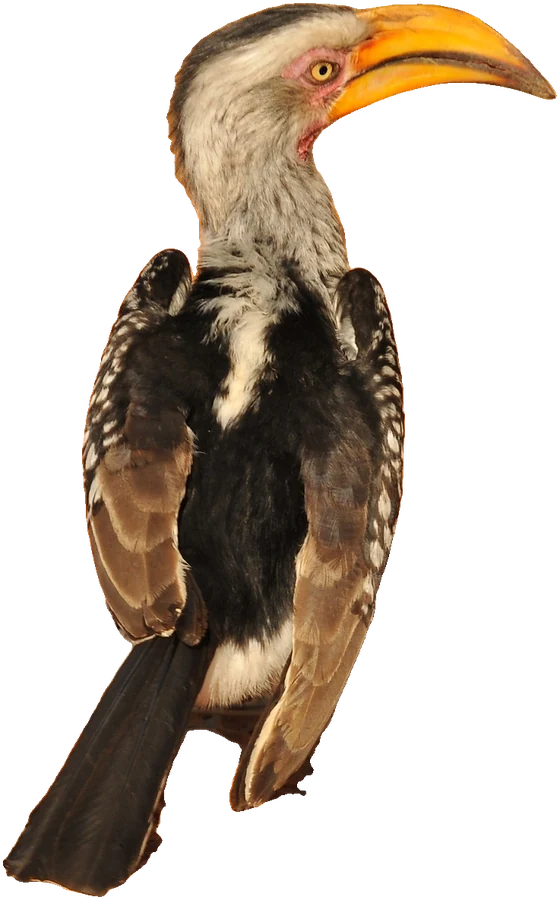
Southern Red-billed Hornbill, compared with the Southern Yellow-billed Hornbill: Smaller, with a slim red bill instead of a heavy yellow one.
More on the Southern Yellow-billed Hornbill page.
Australian bush Eastern Australia, among gum trees
Noisy Miner or Common Myna?
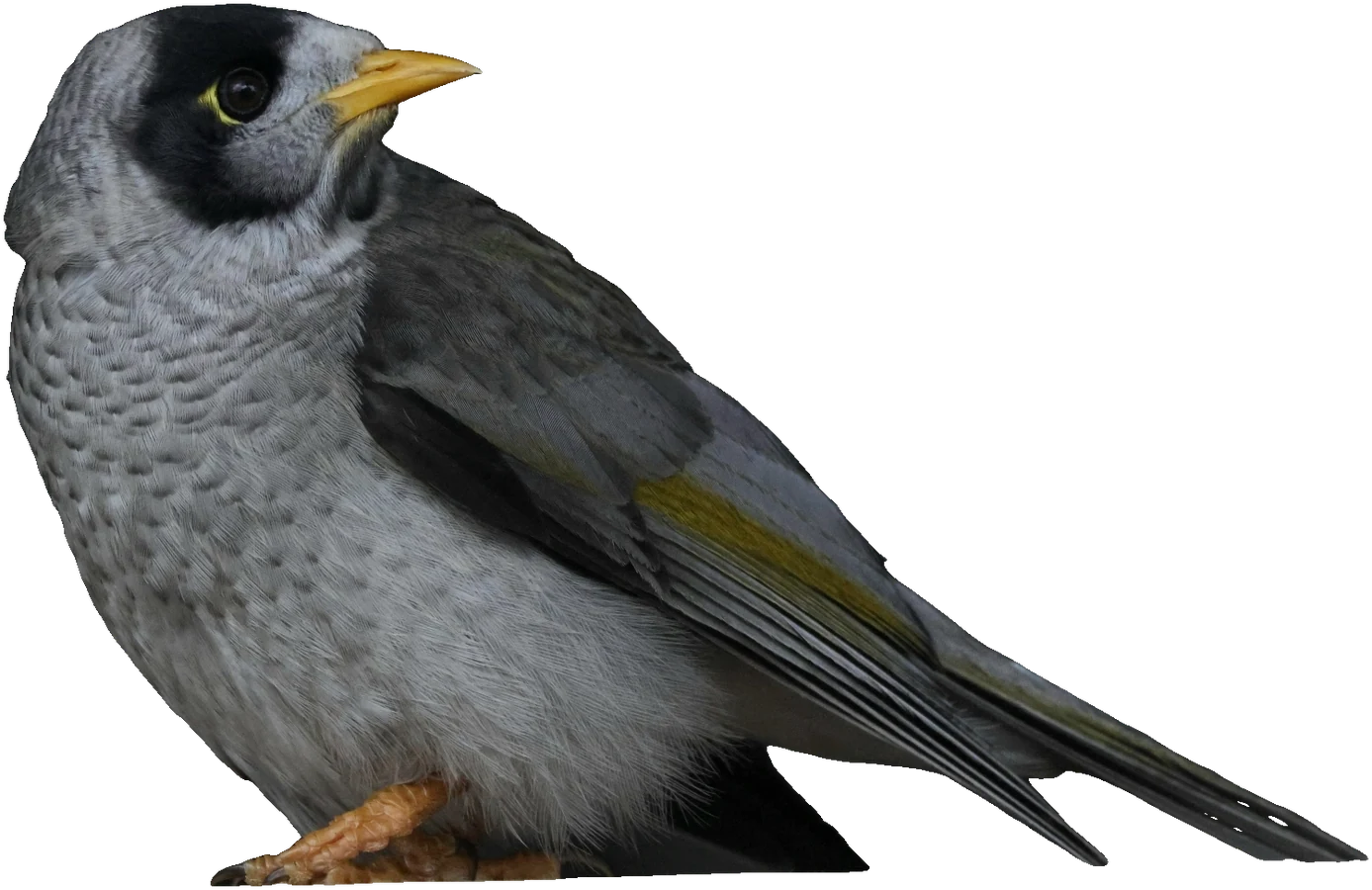
Common Myna, compared with the Noisy Miner: An introduced starling: chocolate-brown body, black head and white wing patches; the Noisy Miner is gray.
More on the Noisy Miner page.
Garden pond East Asia, at the Summer Palace in Beijing
Spotted Dove or Oriental Turtle Dove?
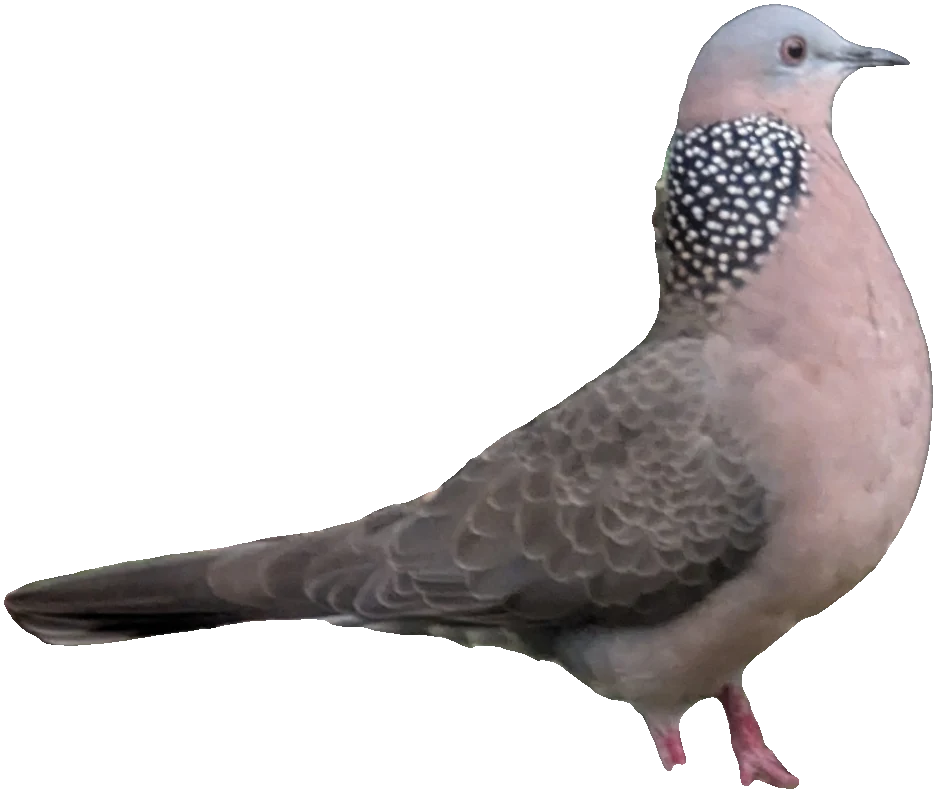
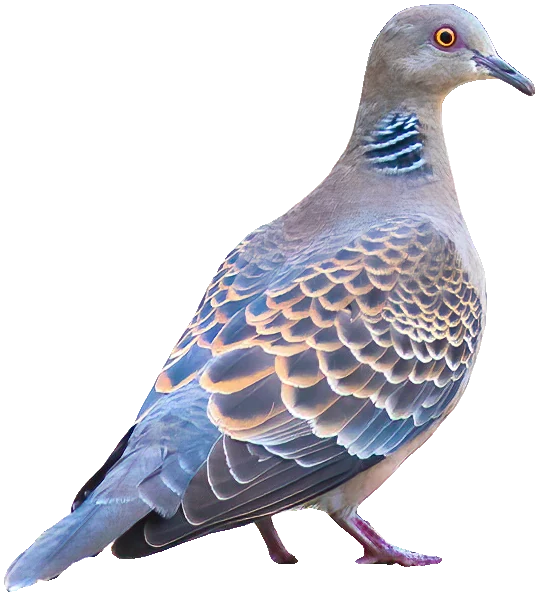
Oriental Turtle Dove, compared with the Spotted Dove: Scaly rufous-edged wing feathers and a neck patch of black and blue-grey stripes, not white spots.
Spotted Dove, compared with the Oriental Turtle Dove: Black neck collar with white spots instead of stripes, and plain wings without scaly edges.
More on the Spotted Dove page and the Oriental Turtle-Dove page.
City park Europe, in a London park
Eurasian Blue Tit or Great Tit?
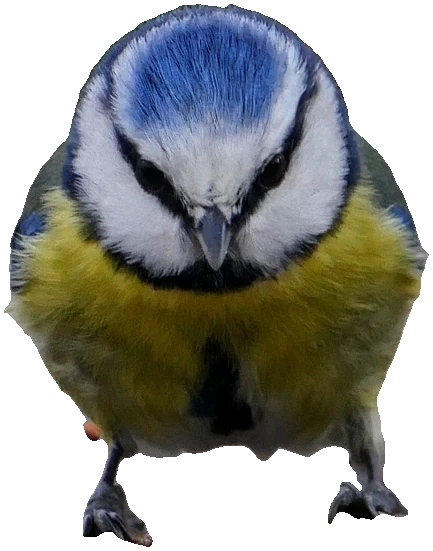
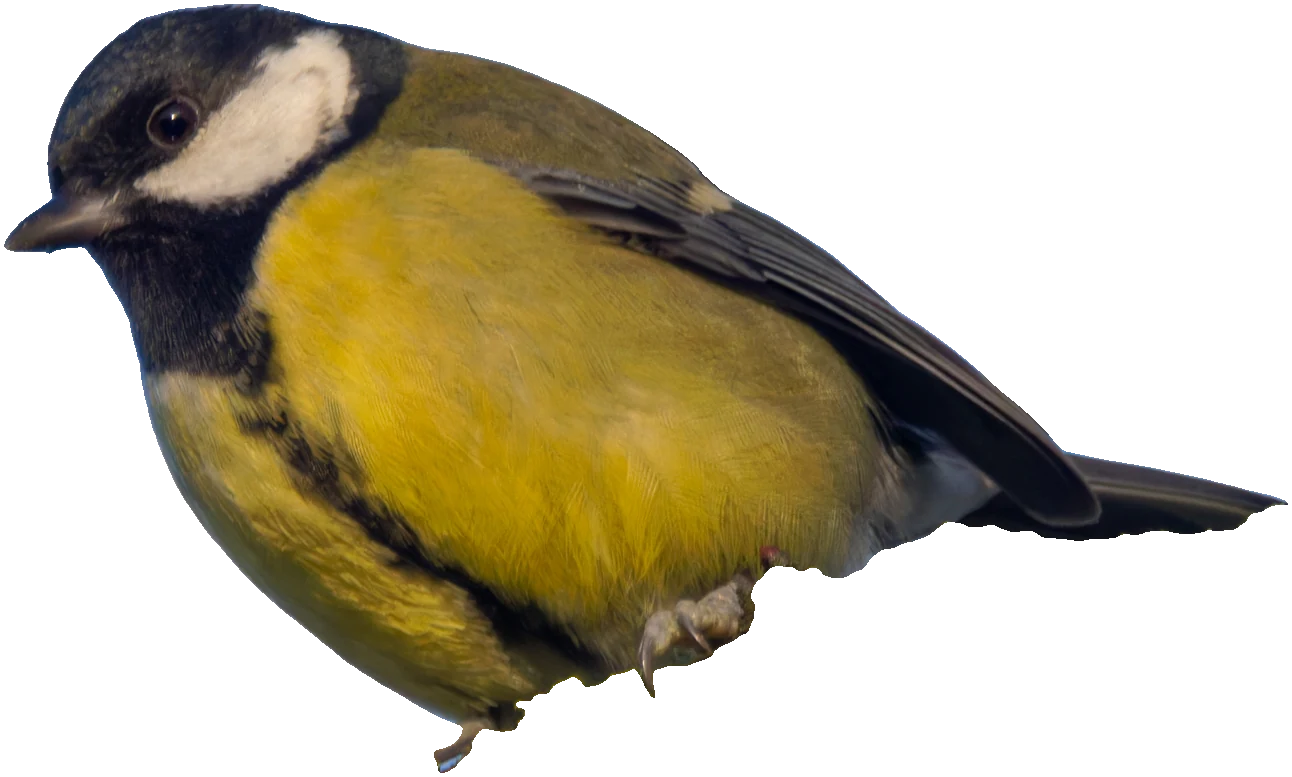
Great Tit, compared with the Eurasian Blue Tit: Bigger, with a glossy black head and a black stripe down the yellow belly.
Eurasian Blue Tit, compared with the Great Tit: Smaller, with a blue cap and a white face, and no black stripe down the belly.
More on the Eurasian Blue Tit page and the Great Tit page.
Common Chaffinch or Eurasian Bullfinch?
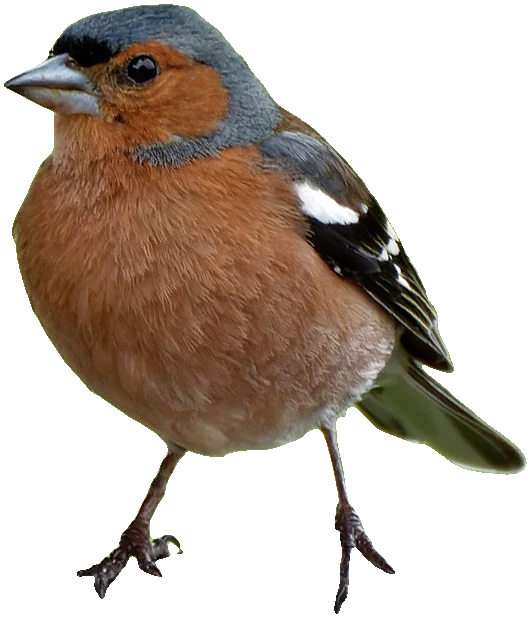
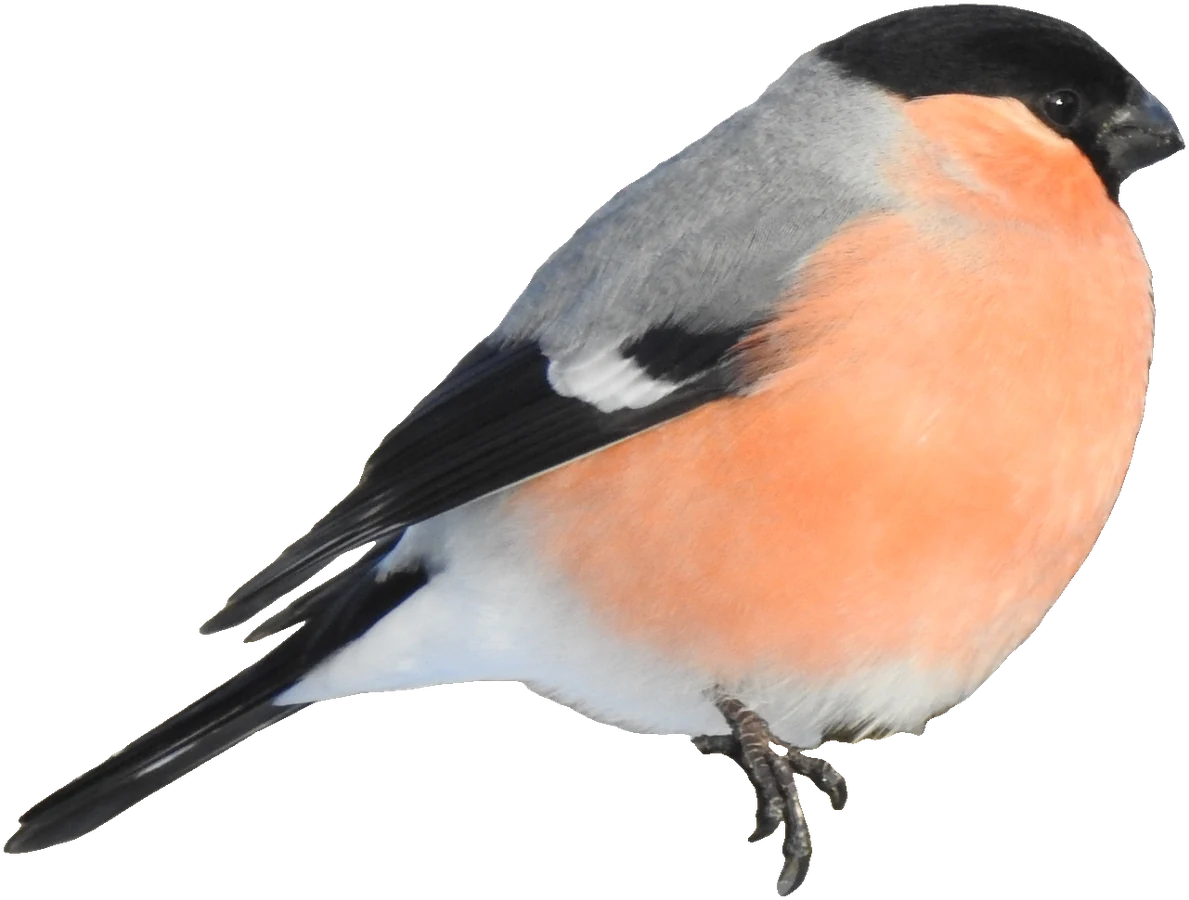
Eurasian Bullfinch, compared with the Common Chaffinch: Male is also pink below, but has a black cap, a stubby black bill and a white rump.
Common Chaffinch, compared with the Eurasian Bullfinch: Male is also pinkish below, but has a blue-grey head, a greenish rump and white wing bars.
More on the Common Chaffinch page and the Eurasian Bullfinch page.
Mountain lake Eastern Himalayas, Yunnan, China, at about 3,700 m
Black-necked Crane or Common Crane?
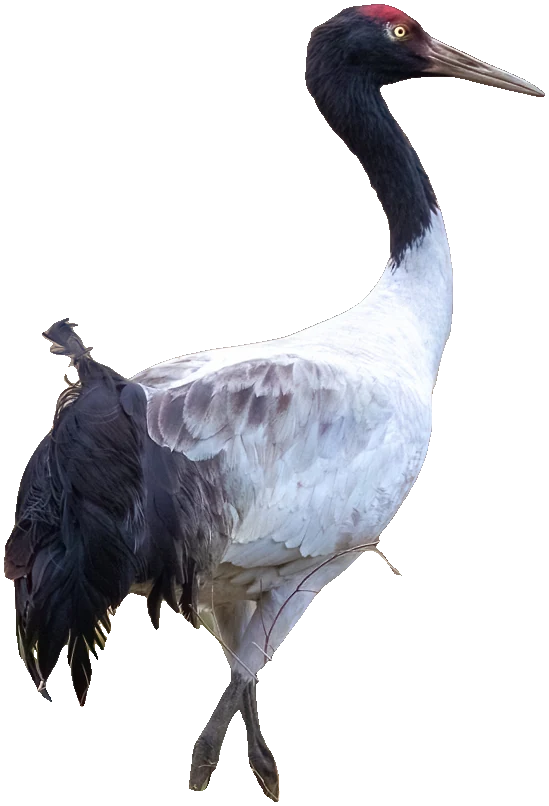
Common Crane, compared with the Black-necked Crane: Gray tail instead of black, and a white stripe down the side of the dark head and neck.
More on the Black-necked Crane page.
Test your eye
In the game, birds visit at different angles and distances. Name them before you zoom in.